How Often Should You Brush Your Dog?: 2026 Coat Care Guide
Brush most dogs 2–3 times per week; adjust for coat type and season.
If you want a healthy coat, a clean home, and a happy dog, this is for you. In How Often Should You Brush Your Dog? Complete Coat Care Guide (2026), I explain the science, the tools, and the timing I use with clients and my own dogs. You will learn simple steps that fit real life. Let’s build a plan you can keep.

Source: almontecats.com
Why brushing matters for skin and coat health
Regular brushing does more than lift loose hair. It spreads natural oils from skin to tip. This keeps the coat soft, glossy, and water resistant. It also cuts down dander and odors.
Good brushing reduces mats, hot spots, and itchy skin. It lets you spot fleas, ticks, and small bumps early. Studies in veterinary dermatology show routine grooming supports a stronger skin barrier.
I learned this firsthand with a rescue Spaniel who hated baths. Gentle daily brushing cut her smell and itch in two weeks. That trust win made care easy and fast. This is the heart of How Often Should You Brush Your Dog? Complete Coat Care Guide (2026).

How often should you brush by coat type
Coat type sets your base schedule. Use this as a starting point, then adjust for your dog.
- Smooth, short coats, like Beagle or Boxer: Brush once to twice a week. Use a rubber curry or grooming glove. This lifts dead hair and boosts shine.
- Short double coats, like Lab or Husky: Brush three to four times a week. During sheds, go daily with an undercoat rake.
- Medium to long double coats, like Golden or Collie: Brush four to seven times a week. Work in layers to prevent hidden mats.
- Curly or wool coats, like Poodle or Doodle: Brush three to seven times a week. Comb to skin daily in high-friction zones. Schedule regular trims.
- Silky single coats, like Yorkie or Maltese: Brush and comb five to seven times a week. Use a leave-in detangler on ends.
- Wire coats, like many Terriers: Brush two to three times a week. Hand stripping or a stripping knife keeps texture.
- Hairless or very sparse coats, like Xoloitzcuintli: Use soft cloth wipes two to three times a week. Moisturize skin as advised.
Each dog is unique. Activity, age, and health matter too. Track shed, tangles, and time spent to find your groove. You will refine it with How Often Should You Brush Your Dog? Complete Coat Care Guide (2026).
Grooming tools that match the coat
The right tool protects skin and saves time. A poor tool can scratch or miss the undercoat. Match tool to hair type and goal.
- Rubber curry or grooming glove: Great for short coats. Increases shine and massage.
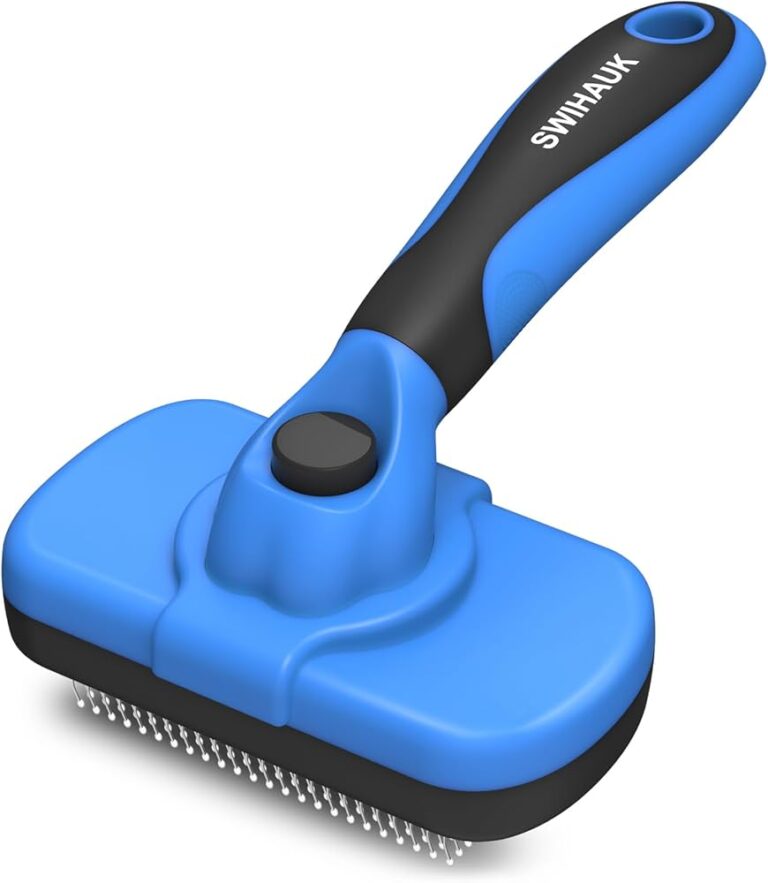
- Slicker brush: Best for fluffy, curly, and double coats. Choose soft pins for thin skin.
- Stainless steel comb: Finds hidden knots. Use after the brush to check your work.
- Undercoat rake or deshedding rake: Reaches dense undercoat. Short, gentle strokes only.
- Pin brush: Good for long, silky coats. Use with a light detangler.
- Stripping knife or stone: For wire coats to keep their harsh feel. Learn correct pressure.
- Mat splitter or dematter: For isolated tangles. If a mat is tight to skin, see a pro.
I carry a slicker, a wide-tooth comb, and a rake for house calls. That trio covers most dogs. Choose quality and clean tools after use. The right kit supports the advice in How Often Should You Brush Your Dog? Complete Coat Care Guide (2026).
Step-by-step brushing method that dogs enjoy
A gentle method turns grooming into bonding. Keep sessions short and sweet.
- Start dry. Wet hair tightens knots. Mist a light detangler only if needed.
- Brush with the lay of the coat. Use short, calm strokes. Speak soft.
- Line brush in layers. Lift one small section. Brush from skin to tip. Move on.
- Comb to check. If the comb snags, go back to the slicker. Do not force it.
- Reward breaks. Use tiny treats for calm and stillness.
- End on a win. One ear or one side is fine. Build time over days.
For scared dogs, try lick mats or slow feeders during care. Stop at the first sign of stress and reset. This plan anchors How Often Should You Brush Your Dog? Complete Coat Care Guide (2026).
Puppies, seniors, and sensitive skin
Puppies need short daily touch sessions. Ten gentle strokes, then a treat, is enough. Pair the brush with calm music and soft hands.
Seniors and thin-skinned breeds need soft tools. Use a flexible slicker and almost no pressure. Check elbows, hips, and armpits where skin is frail.
For itch, dandruff, or hot spots, reduce friction. Switch to a softer tool and add a humidifier at home. If redness or pain shows, pause and call your vet. These age and skin tips are a key part of How Often Should You Brush Your Dog? Complete Coat Care Guide (2026).

Seasons, climate, and shedding cycles
Most dogs blow coat in spring and fall. Expect clumps and tufts for two to six weeks. Brush daily with a rake and follow with a slicker. A warm bath, then a cool dry, helps loosen undercoat.
In hot, dry zones, static and dander rise. Use a humidifier and a leave-in spray. In humid zones, tangles grow fast. Keep coats dry and brushed through after rain.
City dust and pollen in spring can flare skin. Wipe paws and belly after walks. Adjust your schedule by weather, not date. This seasonal plan supports How Often Should You Brush Your Dog? Complete Coat Care Guide (2026).
Common mistakes and how to avoid them
Many owners brush only the top layer. Mats hide near the skin. Always line brush and then comb to confirm.
Do not overuse deshedding blades. They can cut guard hairs. Use rakes and slickers with care. Skip harsh sprays with heavy perfumes.
Never cut a tight mat next to skin. You can nick your dog. If in doubt, see a groomer. Avoiding these errors is central to How Often Should You Brush Your Dog? Complete Coat Care Guide (2026).

When to call your vet or groomer
Some skin issues need medical care. Call your vet if you see bald spots, scabs, a bad smell, or pain. Fast help prevents bigger problems.
A groomer can remove felted coats or do hand stripping. Ask for a comfort groom if mats are severe. Health first, style second.
Use photos to track changes over weeks. Clear notes help your care team act fast. This medical safety net is part of How Often Should You Brush Your Dog? Complete Coat Care Guide (2026).
Sample weekly grooming schedule and checklist
Use this as a template and tweak for your dog.
- Smooth coat example
- Monday: 5-minute rubber glove session, quick comb check.
- Thursday: 5-minute glove, wipe paws and ears.
- Saturday: 10-minute glove, inspect skin, trim nails if due.
- Double coat example
- Monday: 10-minute rake, 5-minute slicker, comb check.
- Wednesday: 10-minute slicker focus on friction zones.
- Friday: 10-minute rake, 5-minute comb, paw trim if needed.
- Shedding weeks: add short daily rake sessions.
- Curly/wool coat example
- Daily: 10-minute slicker and comb to skin on ears, chest, armpits, tail base.
- Every 4–8 weeks: professional trim.
Checklist for every session
- Check ears, teeth, nails, and paw pads.
- Look for fleas, ticks, and lumps.
- Note any redness, smell, or flinch on touch.
This framework makes it easy to follow How Often Should You Brush Your Dog? Complete Coat Care Guide (2026) without guesswork.
Frequently Asked Questions of How Often Should You Brush Your Dog? Complete Coat Care Guide (2026)
How often should I brush a shedding double-coat breed?
During heavy shedding, brush daily with an undercoat rake and finish with a slicker. Outside of sheds, three to four times a week works well.
Can I brush my dog too much?
Yes, if you use harsh tools or heavy pressure. Use gentle strokes and the right brush, and most dogs tolerate daily sessions.
What if my dog hates brushing?
Pair the brush with treats, start with very short sessions, and stop before stress builds. A soft brush and lick mat can change the game.
Do I brush before or after a bath?
Brush first to remove loose hair and light tangles. After drying, do a quick brush and comb to reset the coat.
Which brush is best for curly coats?
Use a flexible slicker and a stainless steel comb. Work in small layers from skin to tip to prevent mats.
Conclusion
Brushing is simple care with a big payoff. It keeps skin healthy, stops mats, and lowers shedding. Pick the right tool, use light pressure, and follow a steady plan.
Start small today. Set a three-day schedule and adjust by what you see and feel. If you need a map, return to How Often Should You Brush Your Dog? Complete Coat Care Guide (2026). Share your wins, ask questions, and subscribe for more step-by-step dog care guides.