Signs Your Dog Is Wearing The Wrong Harness: Fix It Fast in 2026
Your dog’s harness is wrong if it rubs, shifts, restricts, or prompts coughing. Adjust fit, type, and training.
You care about comfort and safety on every walk. This guide explains Signs Your Dog Is Wearing The Wrong Harness And How To Fix It with clear checks, fit rules, and gear tips. I cover simple steps you can use today, backed by trusted training methods and veterinary best practice. Read on to spot problems fast, prevent injury, and enjoy calm, easy walks.
Source: fidapet.com
Why harness fit matters
A harness should spread pressure across the chest and ribs. It should not press on the neck or shoulders. A good fit keeps joints free and airways clear. It can also reduce pulling when you pair it with training.
If you want fast results with Signs Your Dog Is Wearing The Wrong Harness And How To Fix It, start with this rule. Your dog should move with a long, smooth stride. The harness should stay flat and still. Your dog should not scratch, slow down, or cough.
Key reasons fit matters:
- Comfort avoids fights with the leash and helps focus.
- Safety prevents neck strain, soft tissue injury, and skin sores.
- Control improves with the right clip point and even pressure.
Is a collar or a harness better for a dog that pulls?
A harness is safer. It takes pressure off the neck. A front-clip or dual-clip harness, used with training, helps reduce pulling.
Can the wrong harness cause joint problems?
Yes. A strap that crosses the front of the shoulder can block stride. Over time, this can stress joints and soft tissue.

Source: dogids.com
Clear signs your dog is wearing the wrong harness
Look for these red flags on any walk. These are classic Signs Your Dog Is Wearing The Wrong Harness And How To Fix It starts by spotting them.
Body and skin cues:
- Hair loss, bald spots, or dark rub marks behind the elbows or under the armpits.
- Redness, scabs, or odor where straps sit.
- Dandruff or matting under chest or straps.
Behavior and movement cues:
- Coughing, gagging, or wheezing, especially when your dog pulls.
- Short, choppy steps or a “goose step” in the front legs.
- Bunny hopping with the back legs or pacing rather than trotting.
- Head turns, yawning, lip licking, or scratching at the harness.
- Sudden pulling harder than usual or lagging behind.
Gear position cues:
- The chest strap sits across the throat.
- The front strap rides low over the shoulders rather than the chest bone.
- The girth strap slides into the armpits.
- The harness twists to one side or creeps up the neck.
- Gaps you can see when your dog turns. Or the harness “floats.”
A common case looks like this. A friendly retriever pulls, coughs, and shows red skin behind both elbows. The front strap sits on her throat, and the girth strap rubs. A quick refit moves the chest strap up on the sternum. Padding eases pressure. Pulling drops at once.
How tight should a dog harness be?
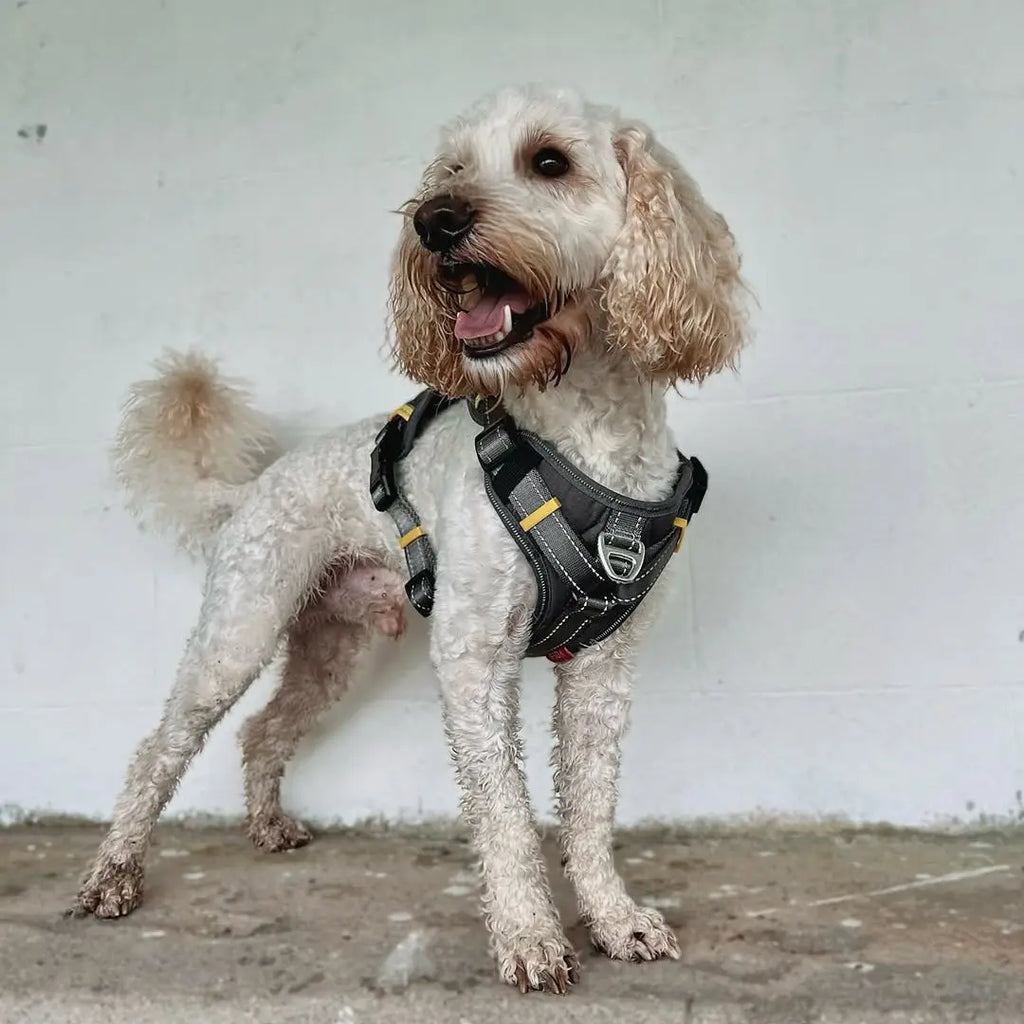
Use two snug fingers between strap and body. Check at the chest and the girth. If the harness shifts or you can lift it off the back, it is too loose.
How to fix it fast: adjustments and quick checks
You can solve many Signs Your Dog Is Wearing The Wrong Harness And How To Fix It in minutes. Work through these steps before you buy new gear.
Quick fit checklist:
- Lift the front strap. It should cross the top of the breastbone, not the throat.
- Set the girth strap behind the elbows. Leave a small gap to avoid rubs.
- Tighten until two fingers fit under each strap. Do this while your dog stands.
- Center the harness. The D-rings should sit on center, not lean to one side.
- Check when moving. Walk 10–15 steps. Watch for twist or drift.
Fast fixes:
- If straps chafe, add a soft strap sleeve or a T-shirt under the harness for now.
- If it rides up, tighten the chest and adjust the back strap if present.
- If your dog escapes, tighten the girth and add a second belly strap or a two-point leash while you refit.
Safety tips:
- Recheck fit after grooming, weight change, or wet walks.
- Wash gear often. Grit acts like sandpaper on skin.

Source: dogids.com
Choosing the right harness type for your dog
The best fix often starts with the right design. Signs Your Dog Is Wearing The Wrong Harness And How To Fix It often come from a poor style match, not just loose straps.
Common types and when to use them:
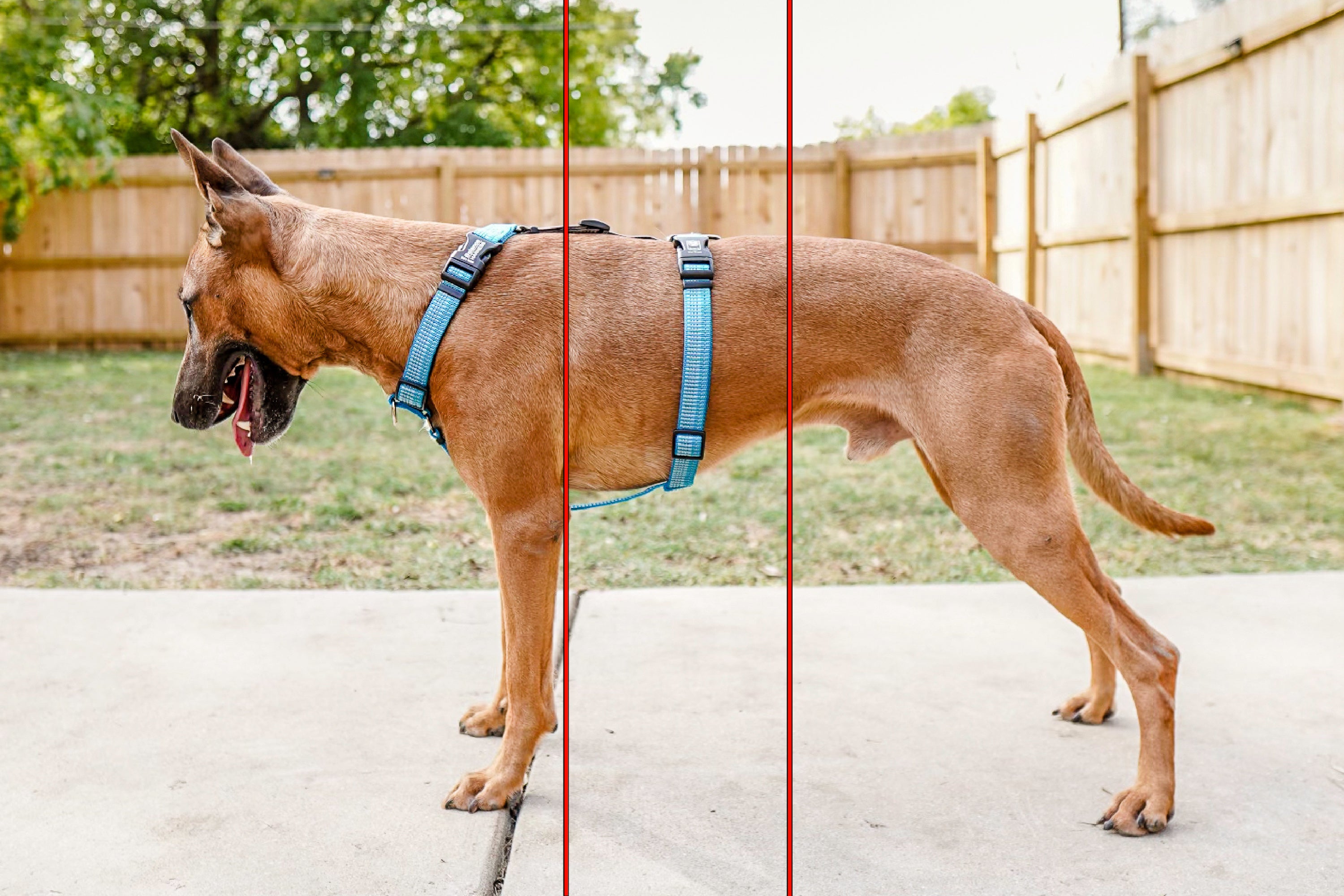
- Y-front harness. The front forms a Y over the chest. It frees the shoulders. Good for most dogs and for active walks.
- Front-clip (no-pull). The leash clips on the chest. It helps turn the body and reduce pulling. Use with loose-leash training.
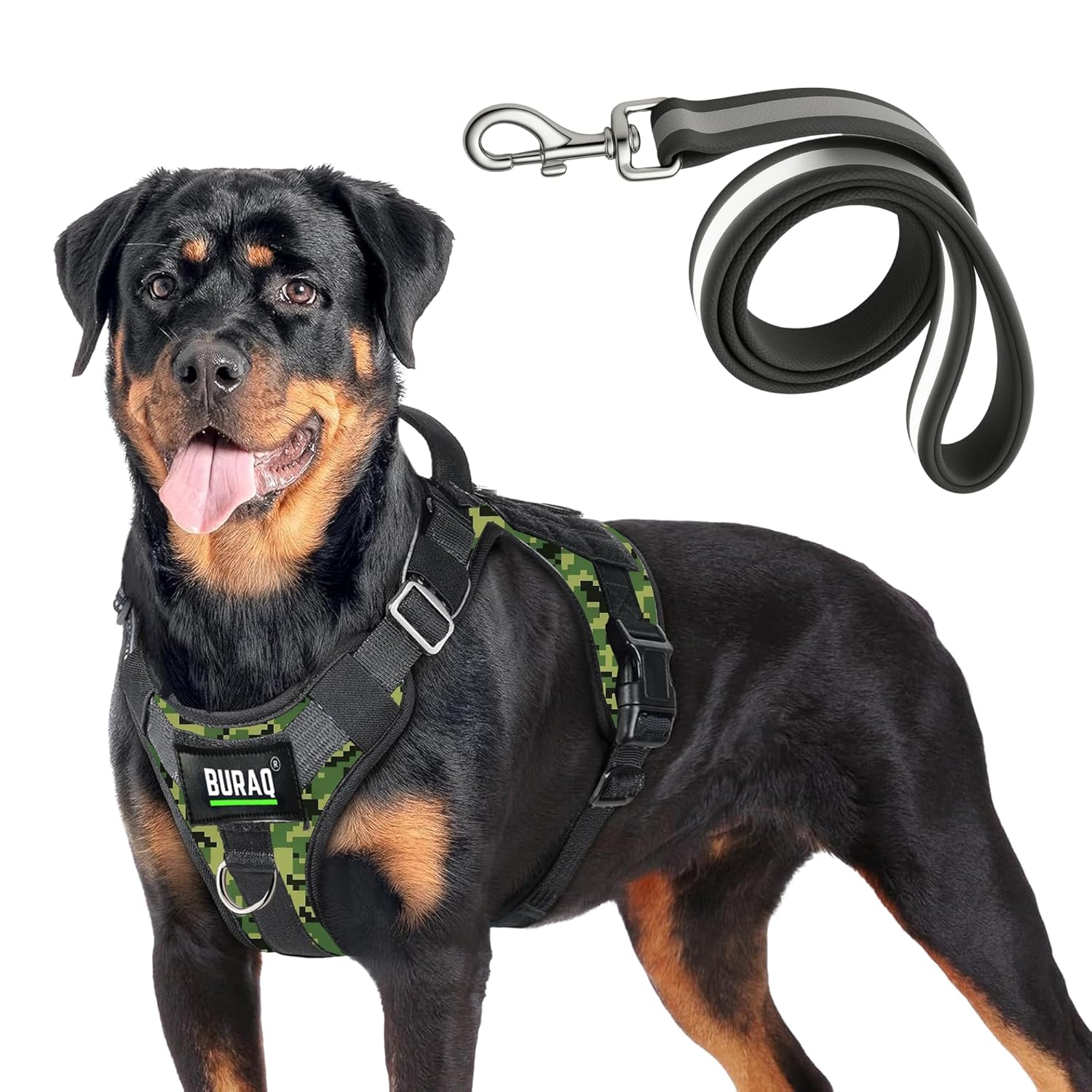
- Dual-clip. Front and back rings offer control and choice. Great for strong dogs or new teams.
- Back-clip. Easy to use and comfy for calm walkers. Not ideal for big pullers.
- Step-in. Simple to put on small dogs. Watch for straps near armpits.
- Overhead padded. Good for thin-coated or sensitive skin. Check heat in summer.
Fit for body shape:
- Deep chest breeds, like greyhounds. Look for long sternum plates and longer Y fronts.
- Broad chest breeds, like bully types. Wider chest pads help spread load.
- Small dogs. Light gear with soft edges and small hardware.
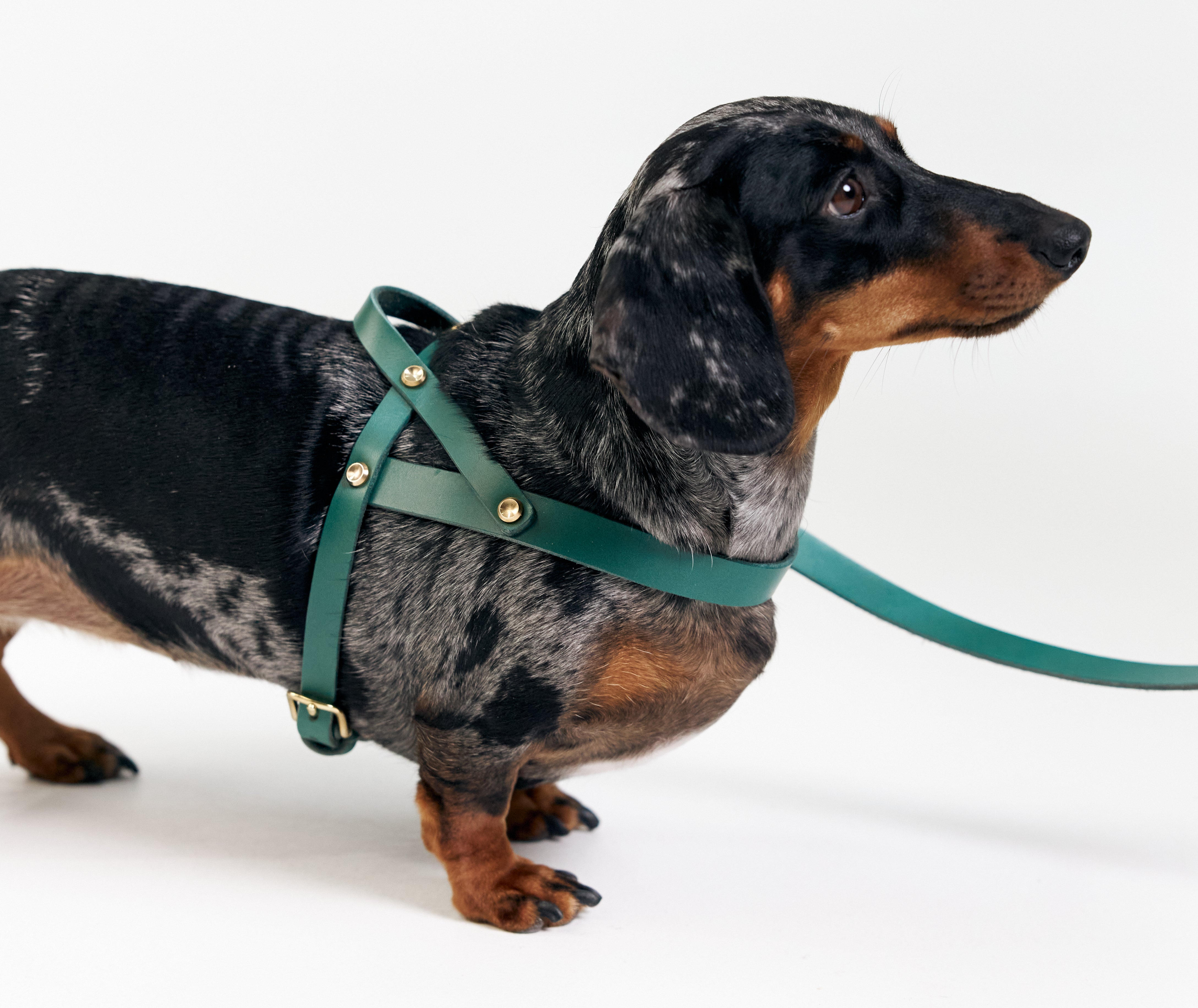
- Long backs, like dachshunds. Check that straps do not press on ribs too far back.
If your dog is a power puller, start with a dual-clip Y-front. If your dog is soft and hates gear, try a light padded Y-front with simple buckles.
Source: blue-9.com
Measure and fit step-by-step
Good data beats guesswork. This is the heart of Signs Your Dog Is Wearing The Wrong Harness And How To Fix It.
You need:
- Soft tape measure.
- Treats.
- Good light.
How to measure:
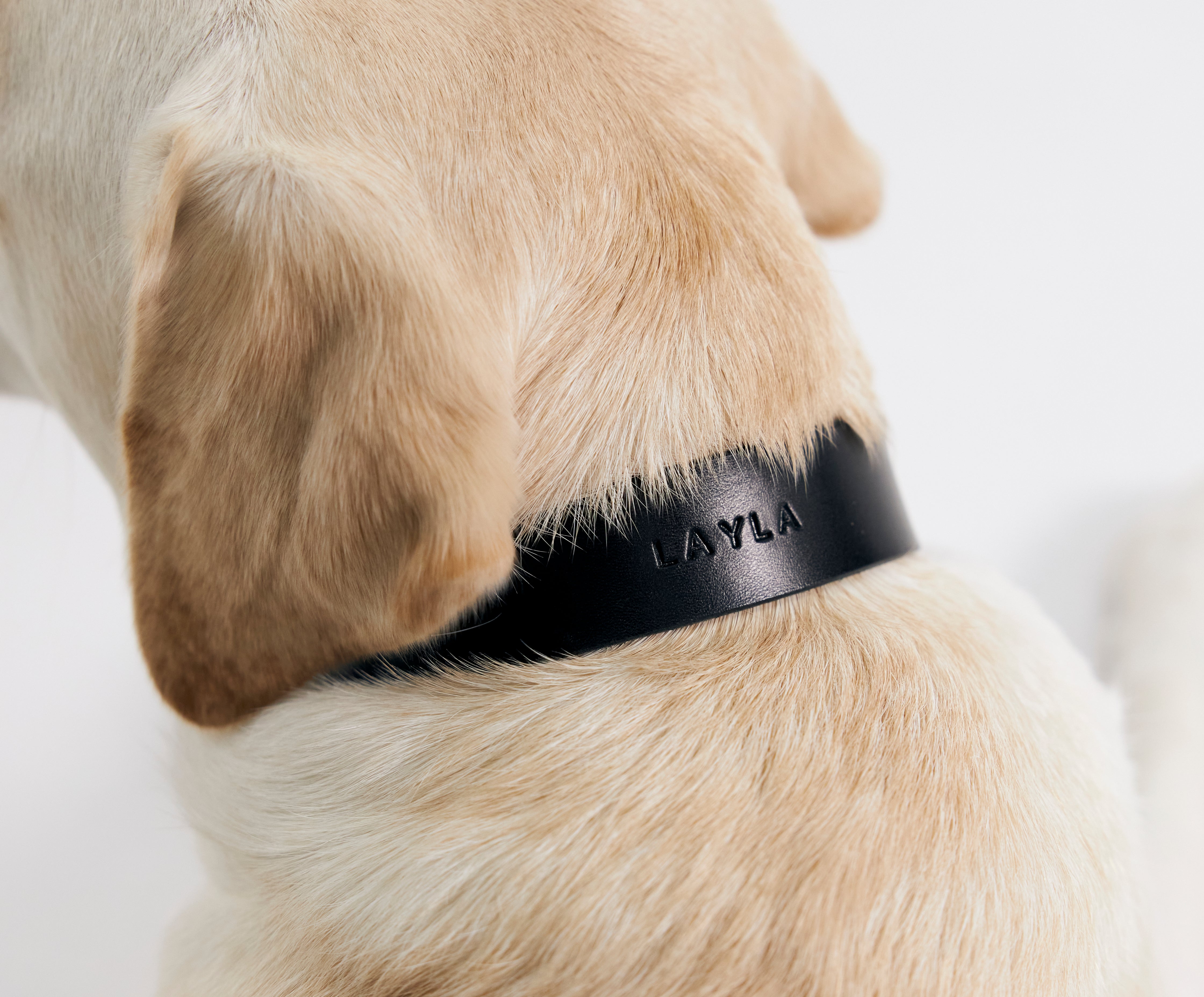
- Girth. Wrap the tape around the widest part of the chest, behind the elbows.
- Neck for Y-front styles. Measure low on the neck where the strap will sit on the chest.
- Back length if the maker asks for it.
How to fit:
- Loosen all straps before you start.
- Place the chest plate at the top of the breastbone.
- Buckle the girth behind the elbows.
- Tighten the chest and girth in small steps. Aim for two snug fingers.
- Walk 10–15 steps. Watch shoulder reach and strap drift. Adjust again.
- Mark strap holes or note settings so you can repeat after washing.
Break-in and checks:
- Check fit after 24 hours. Webbing settles and may need a small tweak.
- Recheck monthly. Dogs gain or lose muscle and fluff.
Source: thelillebjorn.com
Training and safety with a new harness
A harness is gear, not a cure. The best way to lock in Signs Your Dog Is Wearing The Wrong Harness And How To Fix It is to pair gear with training.
Loose-leash basics:
- Reward a slack leash with movement and treats.
- Stop or reverse when the leash goes tight. Then reward when it loosens.
- Keep sessions short. Walks are for sniffing too.
Safety habits:
- Do a quick fit scan at the door. Check chest height, girth gap, and clip.
- Use a backup clip from the harness to the collar for escape-prone dogs.
- In rain, dry the straps. Wet gear loosens and can rub.
Special notes:
- For car travel, use a crash-tested car harness or a crate.
- In heat, pick light, breathable webbing. Avoid thick pads in sun.
Source: buraqpets.com
Common mistakes and myths
You can avoid most issues with a bit of care. This section links back to Signs Your Dog Is Wearing The Wrong Harness And How To Fix It by clearing up the biggest traps.
Mistakes to avoid:
- Buying a size up “for growth.” Loose gear rubs and allows escape.
- Setting fit while your dog is sitting or lying down. Always fit standing.
- Letting the front strap sit on the throat. It must sit on the sternum.
- Ignoring coat change. A winter coat can hide tight straps.
Myths to skip:
- All no-pull harnesses fix pulling. They help, but training does the work.
- Padded means safe. Pad can hide pressure if the fit is poor.
- Back-clip always makes dogs pull. Many dogs walk fine with back-clip if trained.
Source: thelillebjorn.com
When to see a vet or trainer
Sometimes Signs Your Dog Is Wearing The Wrong Harness And How To Fix It needs expert help. Know when to call.
Call your vet if:
- You see limping, head bob, or a clear change in gait.
- Skin is broken, smells bad, or your dog will not let you touch the area.
- Your dog coughs, gags, or pants hard on easy walks.
Call a certified trainer if:
- Pulling gets worse with new gear.
- Your dog freezes, flattens, or panics when you clip in.
- You need help with two-point leash use or loose-leash skills.
What experts may do:
- Assess shoulders, neck, and range of motion.
- Suggest a style change or size swap.
- Build a short, kind training plan for calm walks.
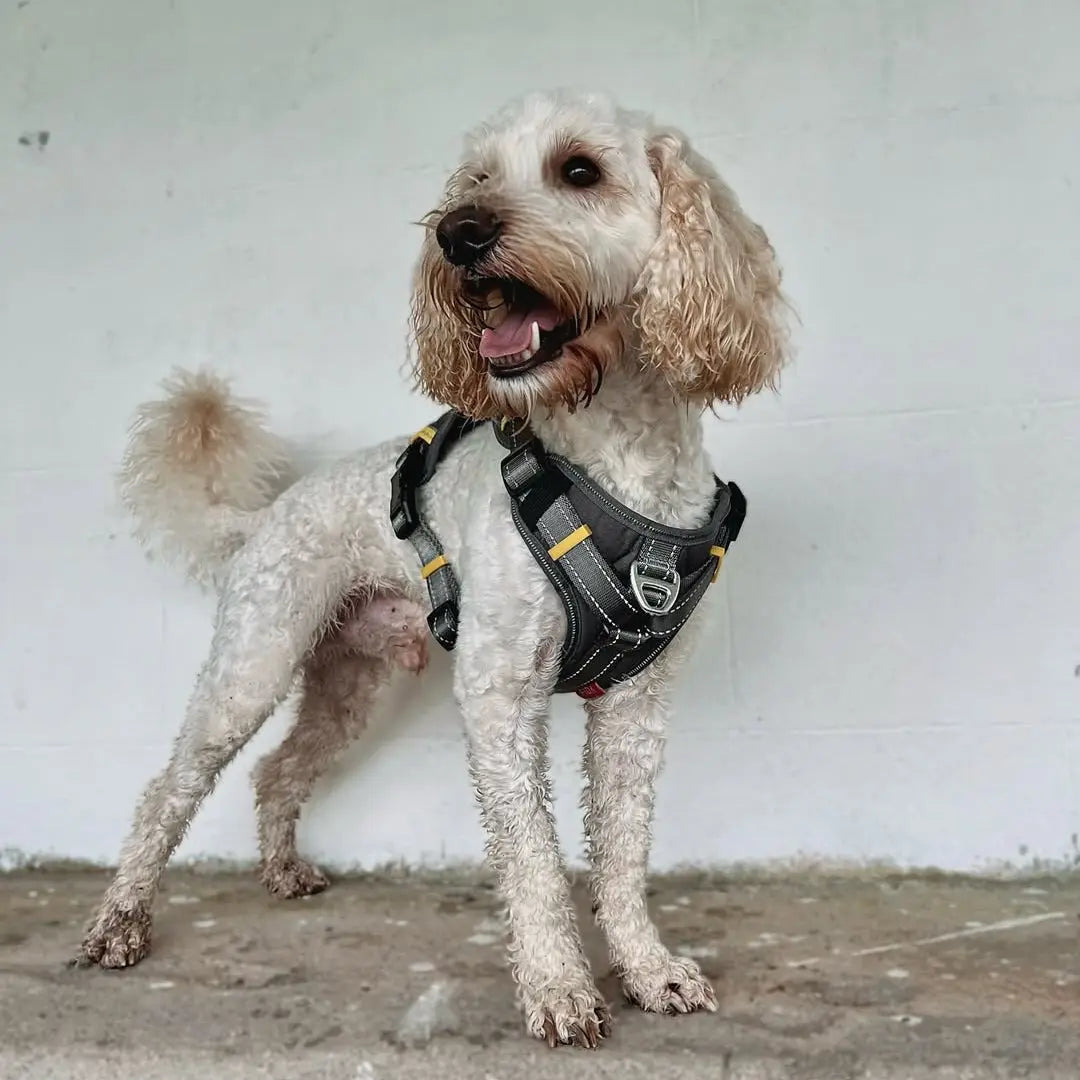
Source: fidapet.com
Frequently Asked Questions of Signs Your Dog Is Wearing The Wrong Harness And How To Fix It
How often should I check my dog’s harness fit?
Do a quick check before each walk and a full check each month. Recheck after grooming, weight change, or wet weather.
Can a harness hurt my dog’s throat?
Yes, if the front strap rides on the neck. Move the strap onto the breastbone and use a Y-front style.
What if my dog backs out of the harness?
Tighten the girth and set it behind the elbows. Use a dual-clip harness with a backup clip until your dog is secure.
How many fingers should fit under the straps?
Two snug fingers at the chest and girth. Check while your dog stands and again after a short walk.
Will a front-clip harness stop pulling?
It helps turn the body and reduce pulling power. Pair it with loose-leash training for best results.
How do I know if the harness is too small?
Look for buckles at full length, pinched skin, or short strides. If pads lift or straps bow, move up a size or change style.
Is padding always better?
Padding can help sensitive skin. But poor fit with padding still rubs, so fit comes first.
Conclusion
Good walks start with comfort, freedom of movement, and clear control. You now know the key Signs Your Dog Is Wearing The Wrong Harness And How To Fix It, from strap height and girth gaps to stride checks and style choice. Use the two-finger rule, watch your dog move, and pair smart gear with simple training.
Take one step today. Do a 60-second fit check and a five-minute loose-leash session. Small changes stack into calm, happy walks. Want more tips on gear and training? Subscribe, share your questions, or leave a comment with your dog’s setup and wins.