How To Introduce A Harness To A Nervous Dog: Stress-Free Best Tips In 2026
Go slow, pair the harness with treats, and reward each calm step.
You want a calm, happy dog who accepts a harness with ease. I’ve helped many fearful dogs learn this with gentle training, patience, and smart gear choices. In this guide on How To Introduce A Harness To A Nervous Dog Without Stress, you’ll learn a clear plan that blends behavior science with real-life tips. Follow along to prevent meltdowns, protect trust, and make gear time a positive ritual.
Why Some Dogs Fear Harnesses
A nervous dog is not stubborn. They are scared or unsure. New textures, tight spaces, or sudden sounds can set them off. Even the click of a buckle can be a trigger.
Fear grows through bad past events, lack of handling as a pup, or pain. Stress stacks fast. If you rush, stress can spill over into growls or shutdown. Behavior science shows that fear fades when we pair scary things with good things at a pace the dog can handle.
Your path is simple: control the setup, reward calm, and keep steps tiny. This is the heart of How To Introduce A Harness To A Nervous Dog Without Stress.

Choose the Right Harness for Sensitive Dogs
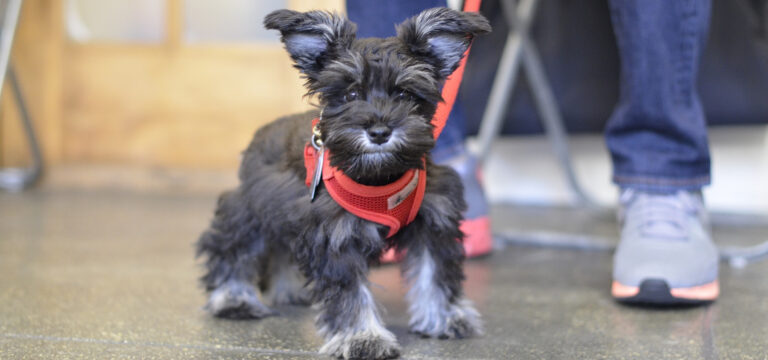
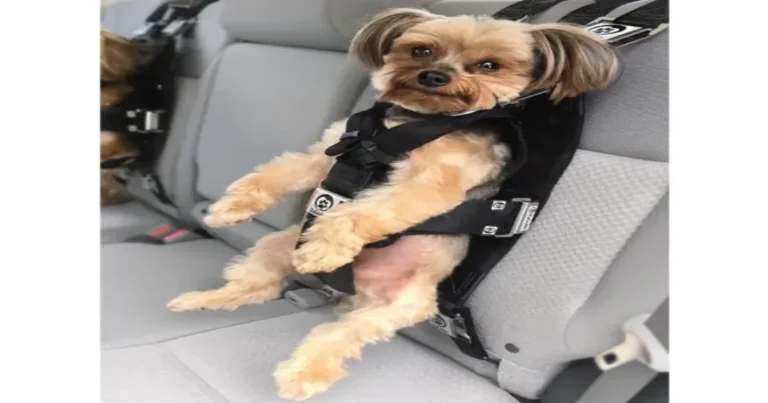
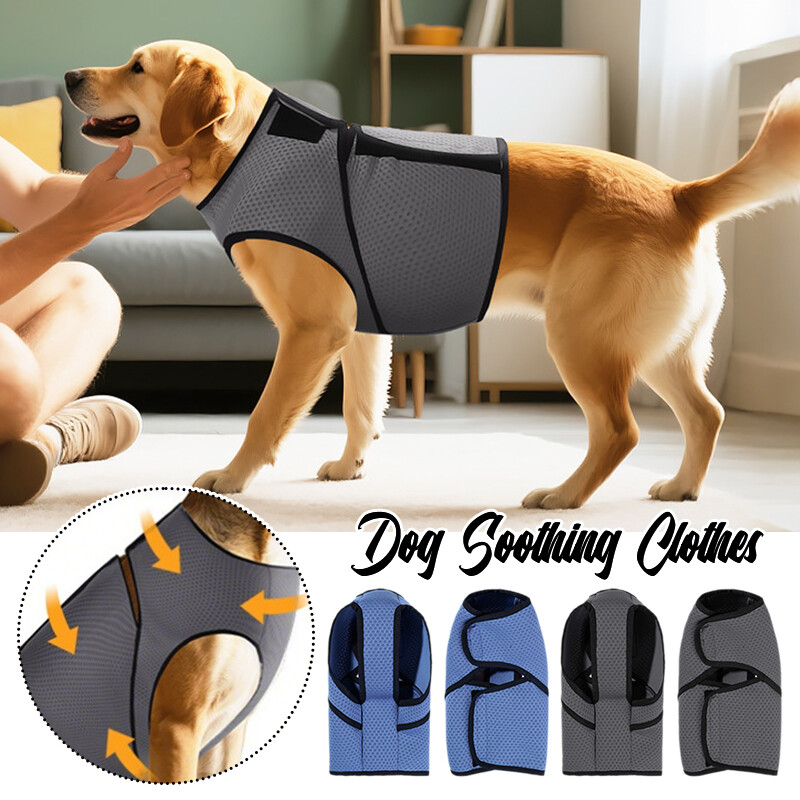
The right harness reduces friction, pressure, and noise. It also helps your dog feel free to move. Soft, padded, and quiet buckles are best for nervous dogs.
Look for:
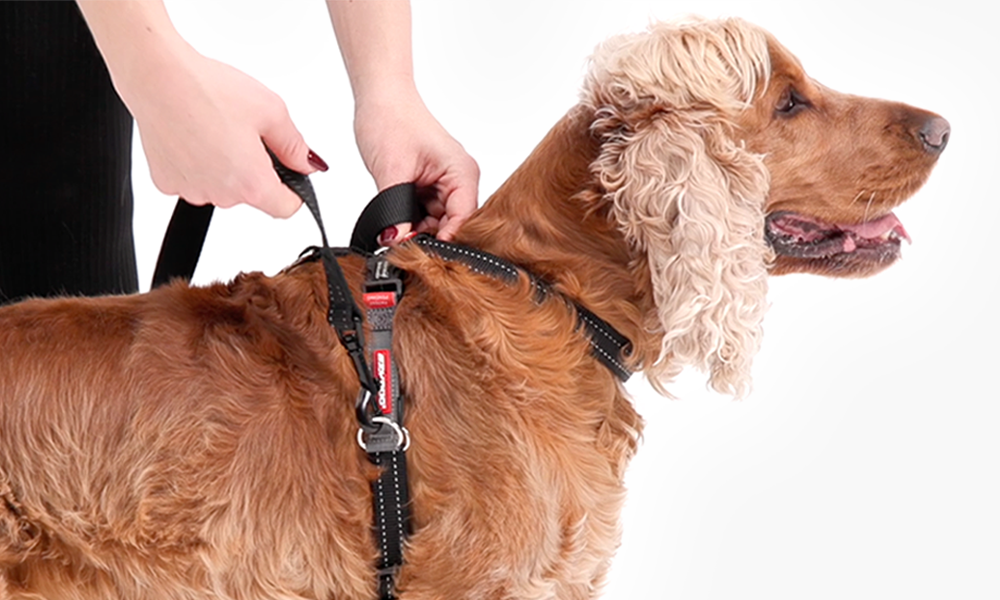
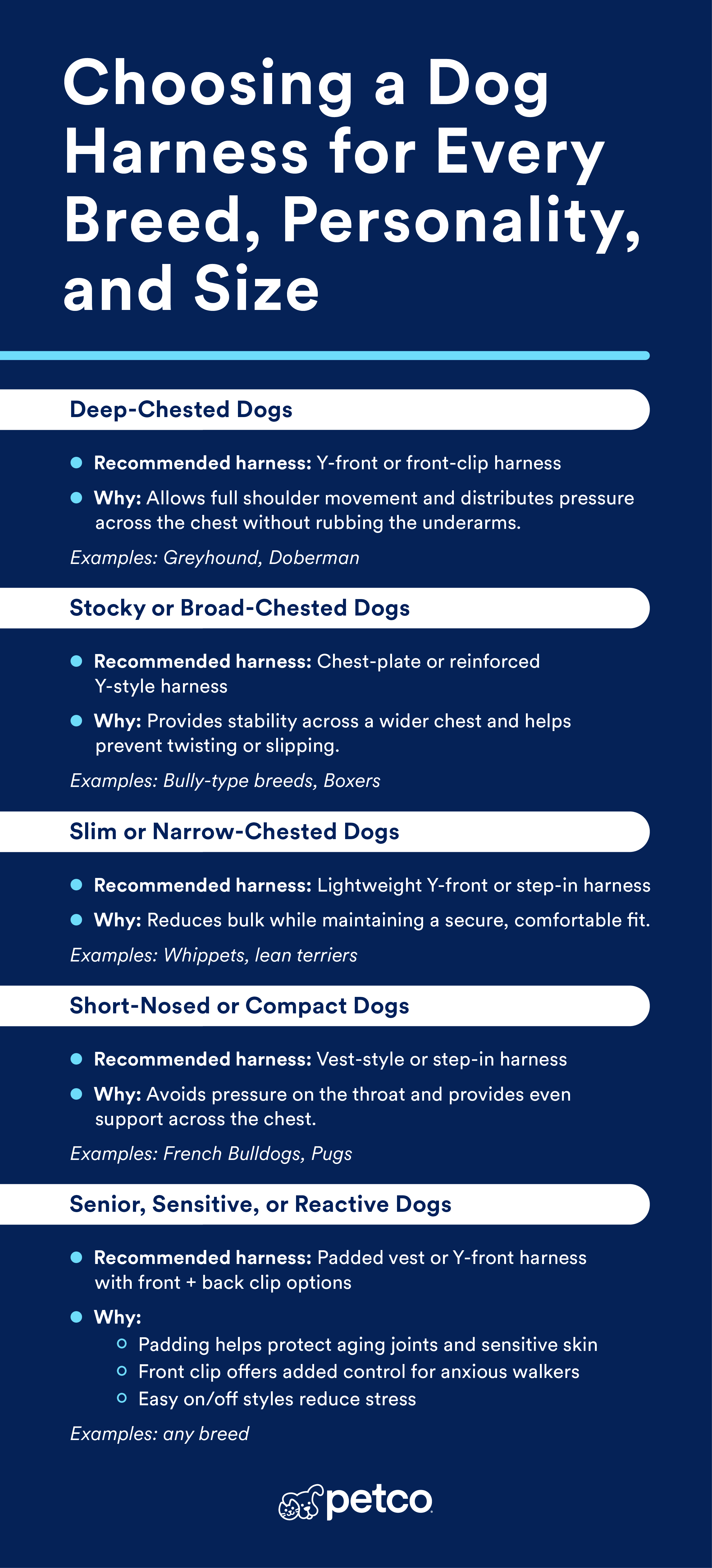
- Y-front or H-style harness that avoids the shoulder joint and throat.
- Adjustable straps with smooth edges to prevent rubbing.
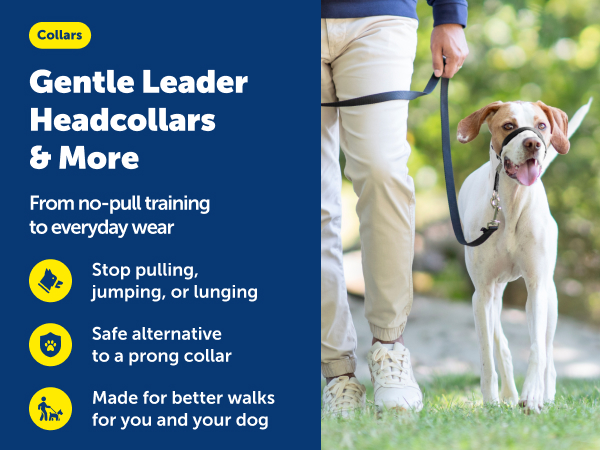
- Front-clip option to guide without force.
- Quick-release buckles that don’t snap loudly near the ears.
- A light, neutral color that does not show dirt or glare.
If your dog is tiny, try Velcro-free or low-noise closures. If they are strong, choose sturdy hardware without heavy weight. Proper gear makes How To Introduce A Harness To A Nervous Dog Without Stress much easier.

How To Introduce A Harness To A Nervous Dog Without Stress: Step-by-Step Plan
Use short, calm sessions. End while your dog still wants more. Work in a quiet room first. Then generalize to other places.
Step 1: Sight and smell
- Place the harness on the floor. Drop treats around it.
- Say yes when your dog looks at or sniffs it. Then pay with food.
- Do not move the harness yet. Keep it boring and safe.
Step 2: Touch with choice
- Hold the harness behind your back. Show it. Feed. Hide it. Feed stops.
- Repeat until the harness predicts food and a loose body.
- Let your dog choose to touch it. No reaching over their head.
Step 3: Targeting through the neck loop
- Use a fist target or a spoon. When your dog touches it, move it through the neck hole.
- Mark and feed as the nose passes in, then out. No pressure. No push.
- Aim for one second in the loop. Then build to three seconds.
Step 4: Drape only
- Rest a strap on the shoulder for half a second. Mark and feed.
- Lift it off. Repeat. Watch for soft eyes and normal breathing.
- Keep sessions under three minutes.
Step 5: The buckle sound
- Muffle the buckle with a towel. Click it away from the dog. Feed.
- Slowly move closer over days. Click near but not on the dog. Feed more.
- When calm, practice one real click while feeding nonstop.
Step 6: First full wear
- Slip on the harness while feeding a slow stream of treats.
- Clip one buckle. Feed. Unclip. Break. Then clip again.
- Keep it on for 5–30 seconds. Play a tiny game. Then remove.
Step 7: Movement and fun
- With the harness on, do a short sniff game or a few hand targets.
- Keep the leash off at first. Let the dog move freely.
- Stop before stress shows. End with a jackpot treat.
Step 8: Add the leash
- Clip the leash while feeding. Unclip. Repeat.
- Do two steps in the room. Feed. Stop. Build distance over days.
Aim for one to three sessions a day. Each session has three to five reps. If your dog freezes or avoids, drop back one step. That is the safe way for How To Introduce A Harness To A Nervous Dog Without Stress.
Reading Body Language and Stress Signals
Calm looks like soft eyes, normal breathing, level tail, and easy movement. Mild concern looks like lip licking, yawns, head turns, or a paw lift. High stress is pinned ears, whale eye, crouch, or stiff stillness.
Use a simple rule: green means go, yellow means slow, red means stop. If you see red, pause the session. Return to the last green step. This flexible flow protects your plan for How To Introduce A Harness To A Nervous Dog Without Stress.

Reinforcement That Works: Timing, Treats, and Markers
Food changes feelings fast. Use tiny, high-value treats. Think chicken, turkey, or soft training bites. Keep them pea-sized.
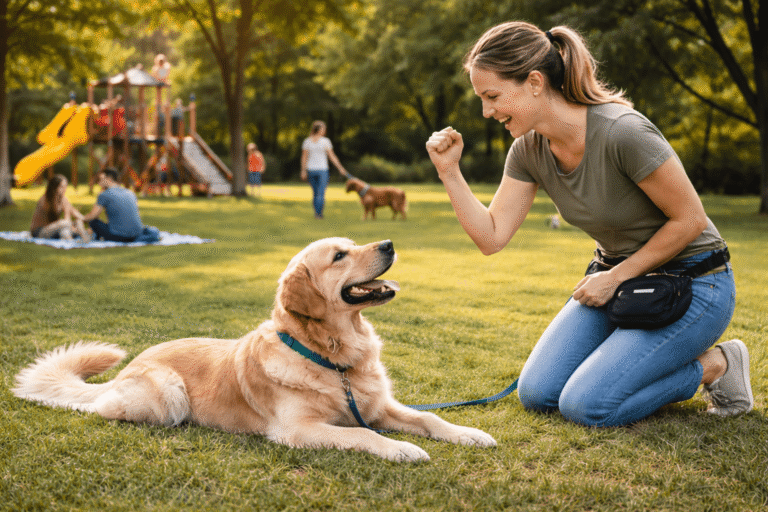
Use a marker word like yes or a clicker. Mark the exact moment your dog engages with the harness. Then pay right at their nose. Place the treat where you want the dog to be. This shapes stillness for donning and doffing.
Avoid luring the head through the neck loop if it creates pressure. Instead, reinforce the choice to move in. Clean timing supports How To Introduce A Harness To A Nervous Dog Without Stress.
Common Mistakes and How to Fix Them
- Moving too fast. Solution: Split steps smaller and add buffer days.
- Reaching over the head. Solution: Present the loop lower and from the front.
- Loud buckles near ears. Solution: Desensitize the sound first.
- Poor fit or chafing. Solution: Adjust straps and add padding where needed.
- Only training once a week. Solution: Short daily reps build trust.
If you backslide, do not push through. Reset to the last easy win. That is how you guard trust during How To Introduce A Harness To A Nervous Dog Without Stress.

Fit and Safety Checklist
- Two-finger rule: snug but not tight at neck and girth.
- Y-front lies flat. No pulling into armpits.
- You can fit two fingers under all straps.
- Check for rubbing after each walk. Watch for hair loss or redness.
- Test for escape risk. Try to back out gently in a safe area. If it slips, adjust.
Add an ID tag to the harness. Use a sturdy leash and a secure clip. A safe fit prevents scares and supports How To Introduce A Harness To A Nervous Dog Without Stress.
Support the Process: Calm, Enrichment, and Routines
A calm brain learns faster. Add sniff walks, puzzle feeders, and short training games. Use a mat cue for rest. Try gentle massage or calm background music.
Keep sessions at the same time of day. Warm up with easy skills your dog loves. Layering calm into daily life makes How To Introduce A Harness To A Nervous Dog Without Stress smoother and faster.

Tracking Progress and When to Get Help
Keep a simple log. Note date, step, treat type, and stress signs. Add a green, yellow, or red tag. Progress should trend to more green over time.
If fear stays high after two to three weeks, call a certified trainer or veterinary behaviorist. Pain or skin issues can block success. A pro can adjust the plan and, if needed, discuss meds. This safeguards your work on How To Introduce A Harness To A Nervous Dog Without Stress.
Real-Life Example: From Freeze to Happy Gear Time
I worked with a small rescue who froze at the sight of a harness. We started with five-second sessions. We paid for every look and sniff. On day four, we added brief drapes of the strap. On day seven, we got our first calm buckle.
Our key wins were soft gear, quiet clicks, and a simple hand target through the neck loop. By week three, she trotted to the door when she saw the harness. Clear steps and patience are the backbone of How To Introduce A Harness To A Nervous Dog Without Stress.
Evidence and Best-Practice Notes
Modern behavior methods favor desensitization and counterconditioning. Pair the scary thing with good stuff. Keep the steps small. Research in learning theory shows that predictable rewards reduce fear and build positive associations. Force and flooding can escalate stress and harm trust.
Follow humane standards from veterinary behavior bodies. Use choice, not restraint. This protects welfare and boosts success with How To Introduce A Harness To A Nervous Dog Without Stress.
Frequently Asked Questions of How To Introduce A Harness To A Nervous Dog Without Stress
How long does it take to get a nervous dog comfortable?
Many dogs adjust in one to three weeks with daily, short sessions. Very fearful dogs may need more time, but steady progress beats speed.
What treats should I use during harness training?
Use soft, high-value food like chicken or cheese in tiny pieces. If your dog has allergies, pick a safe protein or a vet-approved option.
My dog freezes when I show the harness. What should I do?
Put the harness on the floor and reward any look or sniff. Keep distance, keep it short, and build comfort before touching the dog with the gear.
What if my dog mouths or bites the harness?
Prevent rehearsal by picking it up between reps. Give a chew toy break, then resume with easier steps and higher-value rewards.
Can I walk my dog before they accept the harness?
Use a secure collar and short, calm walks while you train. Keep arousal low so you do not add stress to the process.
How do I know the harness fits right?
It should be snug with two fingers under each strap. Watch for rubbing, gaping, or slipping when your dog moves and adjusts.
Is a front-clip harness okay for nervous dogs?
Yes, if it fits well and is introduced slowly. It gives gentle guidance without neck pressure.
Conclusion
You can teach calm, happy gear time with small steps, kind timing, and the right fit. Focus on safety, choice, and steady rewards. When stress pops up, slow down and split the task. That is the proven path for How To Introduce A Harness To A Nervous Dog Without Stress.
Start your plan today with one tiny success. Keep notes, celebrate wins, and ask for help if progress stalls. Want more guides like this? Subscribe, share your story, or leave a question so I can help you and your dog thrive.