How To Groom A Nervous Dog Without Stress Or Fear: Best Tips in 2026
Use slow, reward-based steps, create calm space, and train consent signals.
If your dog shakes at the sight of a brush, you are not alone. I have helped many families learn how to groom a nervous dog without stress or fear, and I know it can feel hard. This guide gives you a clear plan, backed by behavior science and real-world wins. You will learn how to groom a nervous dog without stress or fear using simple steps, safe tools, and kind handling that works.

Source: amazon.com
Understanding Why Grooming Triggers Anxiety
Grooming can feel scary to dogs because it mixes odd sounds, new smells, and close touch. A dryer hums. A clipper buzzes. Nail clippers add pressure. For a sensitive dog, that is a lot at once. If a dog has felt pain while grooming, fear can grow fast.
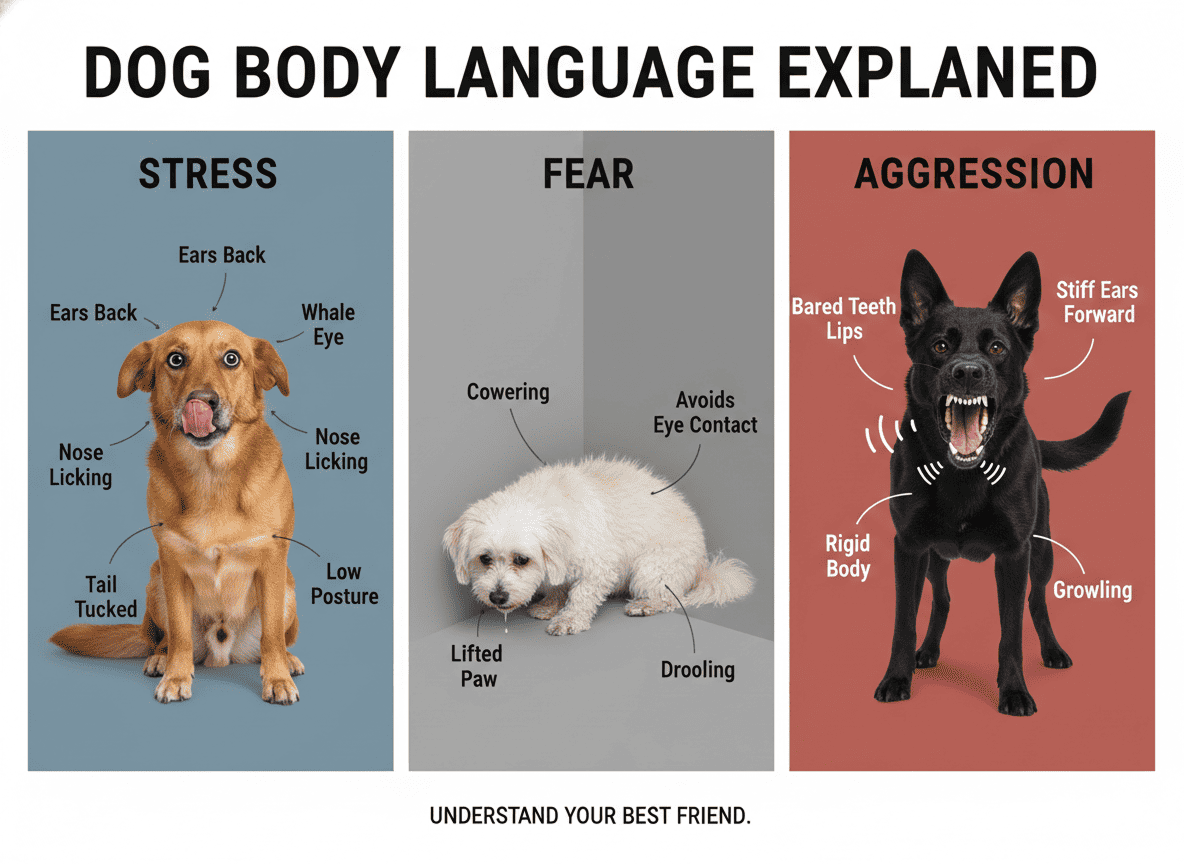
Look for early signs of stress. Yawning, lip licking, turning away, paw lifting, trembling, or a stiff body all mean your dog needs a break. When you learn these signals, you can slow down before fear spikes.
How to groom a nervous dog without stress or fear starts with choice and control. When dogs can say yes or no with their body, they feel safe. They learn that the brush comes near only when they are calm and ready.

Source: fetchmelatermckinney.com
Prepare The Ground: Health, Space, and Schedule
Rule out pain first. Ask your vet to check skin, ears, nails, joints, and teeth. Ear infections, mats, or arthritis can make grooming hurt. If pain is present, treat it before training.
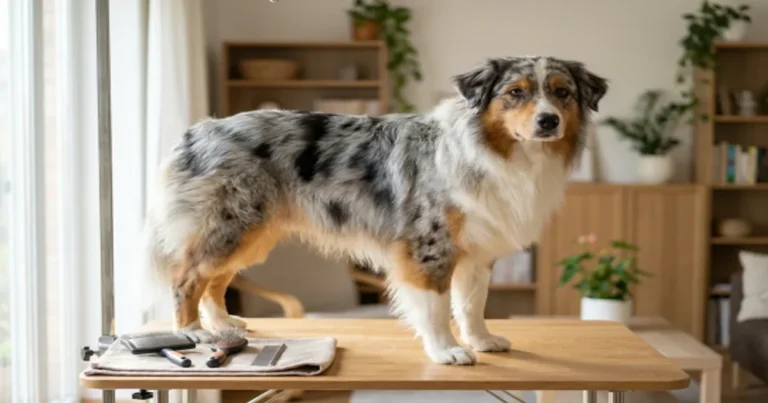
Set the stage. Pick a quiet room with good light and a non-slip mat. Keep tools ready: soft brush, comb, treats, lick mat, and towel. Use a white-noise fan to mask sudden sounds. Play calm music if it helps your dog relax.
Plan short, steady sessions. Two to five minutes beats one long battle. End while your dog still wants more. This is key for how to groom a nervous dog without stress or fear.
Source: northbayanimalservices.org
Build Positive Links: Desensitization and Counterconditioning
Desensitization means you expose your dog to a small, easy dose of a trigger. Counterconditioning means you pair that dose with great things. Think of it as turning scary into safe.
Use this simple ladder:
- Show the brush at a distance. Feed a treat. Put the brush away.
- Move the brush closer. Feed. Put it away.
- Touch the brush to your dog’s shoulder for one second. Feed. Stop.
- Brush one stroke. Feed. Stop.
Repeat over days, not hours. If your dog looks tense, you went too far. Step back. This slow method is the core of how to groom a nervous dog without stress or fear.
Source: bugalugspetcare.com
A Calm, Step-by-Step Grooming Plan
Start Button behavior
- Teach a consent cue. I like a chin rest on a folded towel. When the chin rests, you groom. When the chin lifts, you pause.
- Reward the chin rest often. Keep rules clear and kind.
Brushing
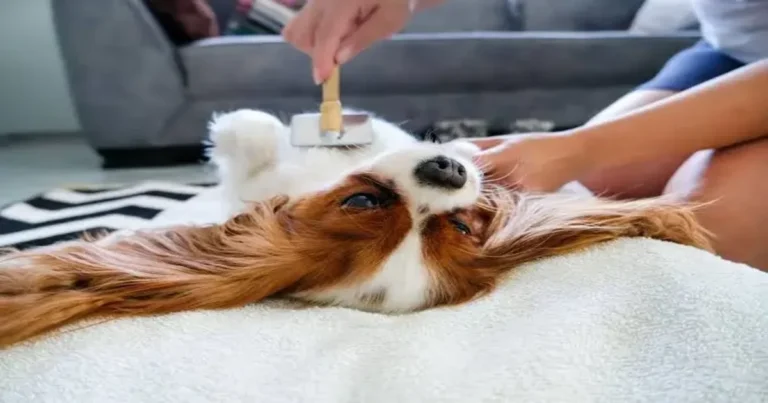
- Begin with easy spots like the shoulder. One to three strokes. Treat. Pause.
- For mats, hold hair near the skin to reduce pull. Use a detangler and a wide-tooth comb.
Nails
- Teach touch to paw. Treat. Clip one nail tip only. Treat big. Stop.
- If the clipper scares your dog, try a grinder. Start with the sound far away. Pair with a lick mat.
Bathing
- Use warm water, not hot. Wet paws first, then legs, then body. Talk in a calm voice.
- Use a gentle, dog-safe shampoo. Rinse well. Towel dry by pressing, not rubbing.
Drying
- Air dry if your dog fears dryers. Or use a quiet dryer on low, from far away, for one to two seconds at first.
- Pair dryer time with a smear of peanut butter on a lick mat.
Ear and teeth care
- For ears, only clean what you can see with vet-approved solution. No deep swabs.
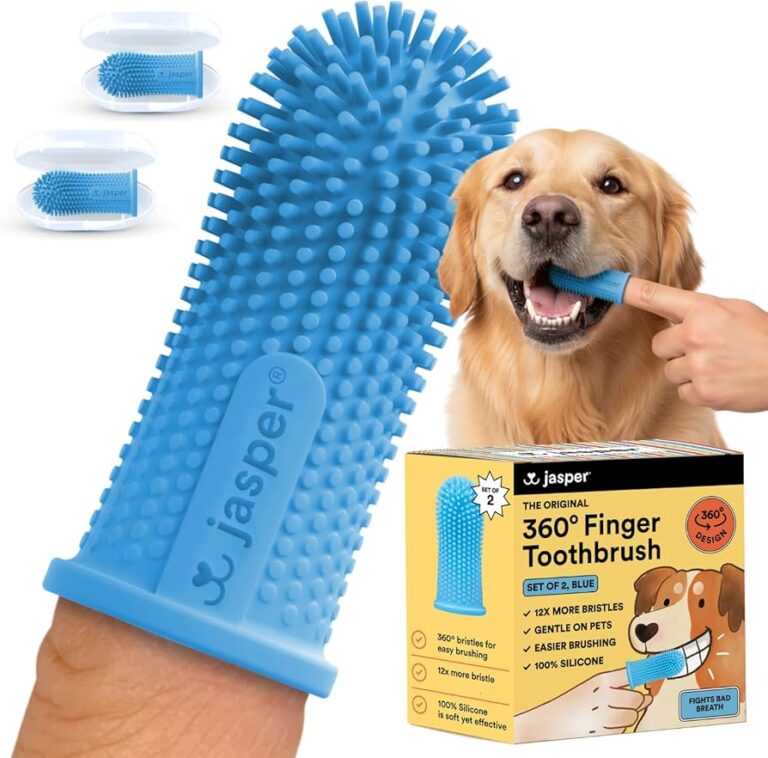
- For teeth, start with a finger brush and a dot of dog toothpaste. One tooth at a time.
This plan shows how to groom a nervous dog without stress or fear by using small steps, clear consent, and high-value rewards.
.png)
Source: pawlyunderstood.com
Tools and Products That Help Sensitive Dogs
Choose tools that reduce noise and pull. These help you learn how to groom a nervous dog without stress or fear with less friction.
- Soft slicker brush with flexible pins. Good for most coats with less snag.
- Steel comb with wide and fine sides. Finds hidden mats gently.
- Quiet clipper or grinder with low vibration. Keep blades sharp and cool.
- Non-slip bath mat and grooming loop with a quick release. Adds safety without force.
- High-value treats, lick mats, or food tubes. Keep hands free and feelings positive.
- Detangling spray and hypoallergenic shampoo. Protect skin and make brushing easier.
Test new tools away from grooming first. Let your dog sniff. Treat. Put them away. That keeps trust high.

Source: amazon.com
Handling, Consent, and Safety
Good handling is the heart of how to groom a nervous dog without stress or fear. Aim for calm, stable hands and soft pressure.
- Use the least restraint needed. Hold the body close for support, not force.
- Keep sessions short. Many short wins beat one long fail.
- Learn a pause cue. If your dog lifts the chin or pulls a paw back, stop and breathe. Then start again at an easier level.
- Consider a basket muzzle if there is a bite risk. Train it with treats so it feels normal and safe.
- Never punish growls. A growl is useful info. It means your dog needs space.
If fear spikes, end the session. Move to play, a sniff walk, or rest. Protecting trust is more important than finishing the job.

Source: lolahemp.com
When To Call A Pro
Sometimes the best way to groom a nervous dog without stress or fear is with help. You have options.
- Force-free groomer. Ask about cooperative care, consent cues, and break policies.
- Certified trainer or behavior consultant. They can design a step plan and coach timing.
- Veterinarian. Pain control, anti-itch care, or anti-nausea help can change the picture.
- Veterinarian behaviorist. For severe fear or aggression, they can add behavior meds and a full plan.
There is no shame in asking for help. It is part of good care.

Source: amazon.com
Common Mistakes To Avoid
Avoid these traps to keep progress smooth and stress low.
- Rushing the process. Speed kills trust. Go slow to go fast.
- Grooming only when matted or filthy. That builds dread. Do tiny, fun sessions often.
- Skipping consent cues. Without choice, dogs feel trapped.
- Using the wrong tools. Dull blades and harsh brushes cause pain.
- Grooming on slippery floors. Dogs need grip to relax.
- Hiding the dryer and then blasting it. Train the sound first, far and short.
These fixes support how to groom a nervous dog without stress or fear, day after day.
Source: scenthound.com
Track Progress and Keep Gains
Measure what matters so you can see wins.
- Log sessions. Note the tool used, time, and your dog’s body language.
- Raise criteria slowly. Add one second, one stroke, or one inch only when your dog is calm.
- Keep up the rewards. Even when things are smooth, pay for calm choices.
- Maintain the coat. Brush small areas daily. Trim nails weekly or biweekly. Short, steady care is easy care.
If you ever slide back, drop to an easier step and rebuild. That is normal.
Frequently Asked Questions
How long does it take to help a fearful dog accept grooming?
Most dogs improve in two to six weeks of short, daily sessions. Severe fear can take longer, but steady, kind work pays off.
What treats work best during grooming?
Use soft, tiny, high-value treats your dog loves, like cheese or chicken. Lick mats or food tubes keep focus while your hands work.
Is a muzzle cruel during grooming?
A basket muzzle is a safety tool when trained well. It lowers risk and can help your dog relax when everyone stays calm.
Can I use human shampoo on my dog?
No. Human shampoo can dry or irritate a dog’s skin. Use a dog-safe, pH-balanced product recommended by your vet or groomer.
What if my dog panics with nail trims?
Stop, reset, and train paw handling with treats first. Try a grinder, trim one nail at a time, and use a lick mat to keep it positive.
Conclusion
You can learn how to groom a nervous dog without stress or fear by using consent, short steps, kind tools, and steady rewards. Start small, protect trust, and watch for calm body signals. Your dog will tell you when it is time to take the next step.
Begin today. Pick one tiny goal, like one brush stroke with a treat, and log the win. If you found this guide helpful, share it, subscribe for more cooperative care tips, or leave a comment with your progress.