Signs You’re Using The Wrong Dog Brush: Quick Fixes in 2026
Red skin, mats, and extra shedding mean wrong brush; match tool and technique.
If you are seeing clumps of hair, flaky skin, and a dog that dodges the brush, you are not alone. I help pet owners spot the Signs You’re Using The Wrong Dog Brush And How To Fix It every week. In this guide, I share clear checks, the right tools for each coat, and simple steps that work at home and in the salon.

Source: youtube.com
What “the wrong dog brush” really means
The wrong brush is any tool that fails to reach your dog’s real coat layer or harms the skin. It can be too sharp, too stiff, too soft, or the wrong shape. It can also be fine but used with poor technique.
Most dogs have a topcoat and, in many breeds, a dense undercoat. Some have curly or wool coats. Others have wire coats that need hand stripping. Each coat calls for a different tool. That is the heart of Signs You’re Using The Wrong Dog Brush And How To Fix It.
Key brush types you will see:
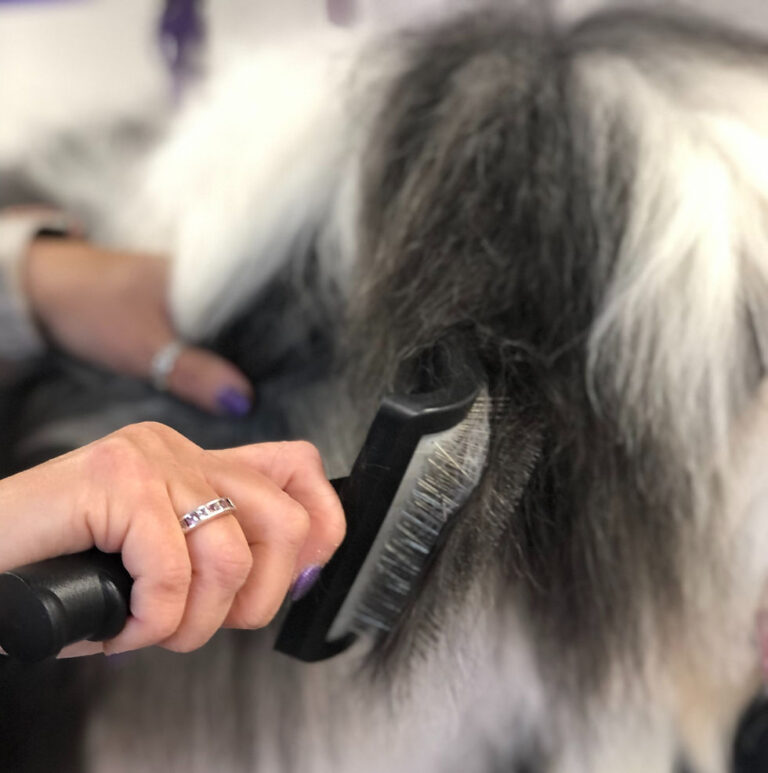
- Slicker brush: square head with many fine, bent pins. Lifts mats and undercoat.
- Pin brush: round tips on long pins. Great for long, straight coats.
- Bristle brush: soft, packed bristles. Good for shine and surface dust.
- Undercoat rake: long teeth that pull loose undercoat.
- Deshedding tool: metal edge that grabs loose undercoat. Use with care.
- Metal comb: wide and fine side. The truth-teller for mats.
- Rubber curry or grooming glove: best for smooth coats and bath time.
Source: animaldentalcenter.com
Clear signs you’re using the wrong dog brush
You can spot the Signs You’re Using The Wrong Dog Brush And How To Fix It by watching the coat, skin, and your dog’s mood. Small clues add up fast.
Skin and comfort red flags:
- Pink or red skin after brushing
- Dandruff flakes that get worse
- Yelps, flinches, or a dog who runs away
Coat and shed clues:
- Mats get tighter after brushing
- Broken hairs and frizz on the topcoat
- Hair tumbleweeds the day after a long brush
Tool and technique hints:
- Static crackles and hair flying everywhere
- The comb snags even after you “finished”
- It takes an hour and still looks rough
When I see these signs in the salon, I pause. I switch tools, soften the coat with a mist, and reset the plan. That is the core of Signs You’re Using The Wrong Dog Brush And How To Fix It.

Source: amazon.com
How to fix it: match brush to coat type
Choosing the right tool is half the win. The rest is how you use it. Here is a fast map for Signs You’re Using The Wrong Dog Brush And How To Fix It that I have used on thousands of grooms.
Smooth, single coats (Beagle, Boxer, Dalmatian):
- Use a rubber curry or grooming glove in short strokes.
- Follow with a soft bristle brush for shine.
- Skip slickers and rakes. They can scratch skin.
Short, double coats (Labrador, German Shepherd, Corgi):
- Use an undercoat rake to lift loose undercoat.
- Light slicker work to break small tangles.
- Deshedding tool only on clean, dry coat and with light pressure.
Long, double coats (Golden Retriever, Husky, Collie):
- Start with an undercoat rake, then a long-pin slicker.
- Finish with a metal comb to find hidden mats.
- Avoid aggressive deshedding tools that cut guard hairs.
Curly or wool coats (Poodle, Bichon, Doodle mixes):
- Use a soft, curved slicker and a stainless comb.
- Line-brush with a light conditioning mist.
- Do not use deshedding tools. They can shred curls.
Silky single coats (Yorkie, Maltese, Papillon):
- Use a soft pin brush and a fine comb.
- A bristle brush adds shine at the end.
- Mist lightly to limit static and breakage.
Wire coats (Terriers meant for hand stripping):
- Use a gentle slicker for tidy work.
- Hand strip with a knife or stone to keep texture.
- Skip deshedding blades that soften wire texture.
Sensitive skin, seniors, and puppies:
- Choose softer pins and rounded tips.
- Short, calm sessions. Many breaks and praise.
This coat-to-tool match is the backbone of Signs You’re Using The Wrong Dog Brush And How To Fix It. It lowers shed, protects skin, and saves time.
Source: pethealthclub.com
Brushing technique: gentle, safe, effective
Good tools need good technique. This is where most owners see fast wins. It is also where Signs You’re Using The Wrong Dog Brush And How To Fix It becomes real change.
Prep first:
- Brush clean, dry, detangled coat. Dirt acts like sandpaper.
- Use a light conditioning spray to cut friction and static.
- Put the dog on a non-slip mat for safety.
Line brushing made simple:
- Work in small rows from feet to back.
- Lift hair with one hand and brush the hair below the line.
- Use short strokes and stop when the comb slides through.
Pressure check:
- Test on your own forearm. It should not scratch.
- Keep the slicker pins angled, not poking straight down.
Order of tools:
- Slicker or rake first to clear bulk.
- Comb last to confirm there are no snags.
Session tips:
- Ten to fifteen minutes per zone is fine.
- Many short sessions beat one long fight.
- Reward calm. Break when stress rises.
I teach every client this flow. Within a week, they see fewer mats and less shed. That is the proof of Signs You’re Using The Wrong Dog Brush And How To Fix It done right.
Source: egahvets.com
Solving common grooming problems
Even with the right plan, snags happen. Here is how I handle the most common ones linked to Signs You’re Using The Wrong Dog Brush And How To Fix It.
Stubborn mats behind ears and in armpits:
- Mist, then use the slicker with tiny, outward strokes.
- Use a mat splitter for thick knots, then comb.
Static and flyaways:
- Use a leave-in spray or a tiny drop of coat oil.
- Switch plastic tools to wood or metal.
Shedding storms in spring and fall:
- Bathe, dry fully, and rake in layers.
- Brush daily for a week, then taper.
Brush burn or red skin:
- Stop. Cool the skin with a vet-safe spray.
- Switch to a softer tool and lighter pressure.
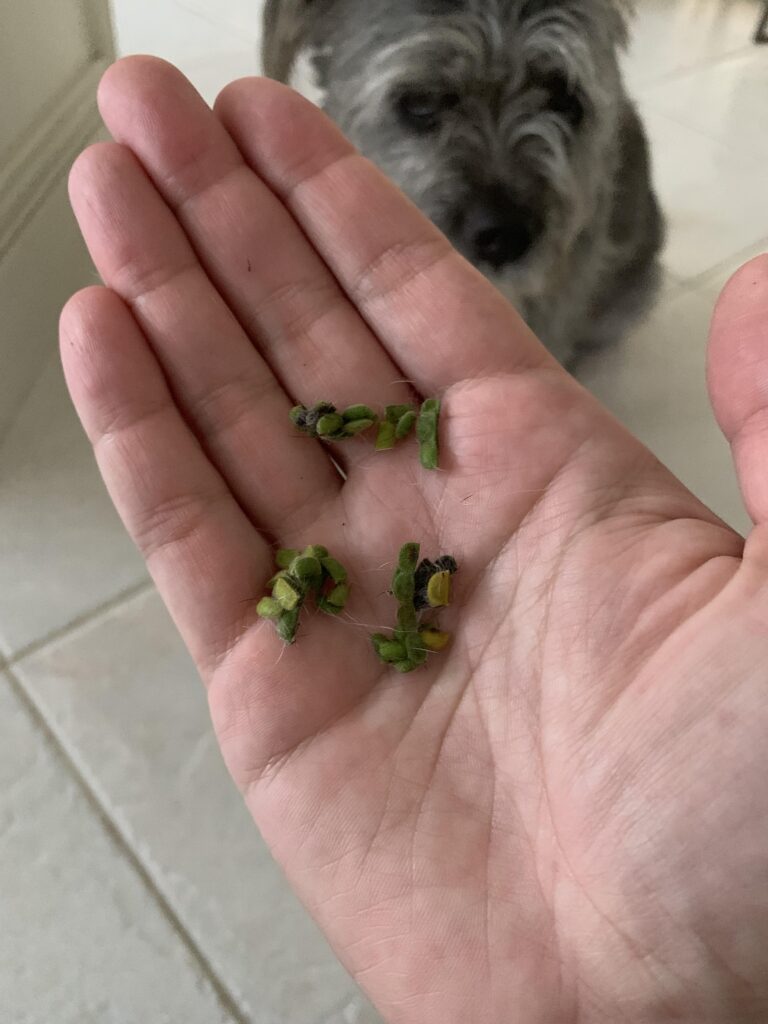
Burrs and plant seeds:
- Dust with cornstarch and pick with a comb.
- Check paws, tail, and belly after hikes.
Allergy flare skin:
- Use hypoallergenic spray and ultra-soft tools.
- Keep sessions short and review with your vet.

Source: youtube.com
Brush care, hygiene, and when to replace
Clean tools keep coats healthy. Dirty brushes spread oil, yeast, and odor. This part also links to Signs You’re Using The Wrong Dog Brush And How To Fix It, because worn pins cause harm.
Daily and weekly care:
- Pull hair from pins after each use.
- Wash in warm soapy water weekly and rinse well.
- Disinfect handles and pins. Dry fully to stop rust.
Check for wear:
- Look for bent pins, sharp tips, or chipped edges.
- Replace slickers every 6–12 months for heavy use.
- Store dry, in a bin, away from steam and sun.
A tidy kit works better and feels better for your dog. It also saves money in the long run.

Source: amazon.com
Ergonomics, budget, and safety tips
Your hands matter too. A tool that hurts you will not get used. Part of Signs You’re Using The Wrong Dog Brush And How To Fix It is finding gear that fits your grip and your dog.
What to look for:
- Non-slip handle with a soft grip
- Flexible head or cushion for even pressure
- Rounded pins and smooth welds to protect skin
Budget advice:
- Buy one great slicker and one solid comb first.
- Add a rake or curry based on your dog’s coat.
- Skip gimmicks. Pay for quality pins and a comfy handle.
Safety habits:
- Keep tools away from kids and pets when not in use.
- Never brush over open sores. Call your vet.
- Trim nails first so paws do not snag in the brush.
With these steps, Signs You’re Using The Wrong Dog Brush And How To Fix It turns into a calm, weekly habit that works.
Source: thecompletepetanimalhospital.com
Frequently Asked Questions of Signs You’re Using The Wrong Dog Brush And How To Fix It
How often should I brush my dog?
Most smooth coats need 1–2 times per week. Double, long, or curly coats often need brushing 3–5 times per week, and daily during heavy shed.
Can a deshedding tool damage my dog’s coat?
Yes, if used with heavy pressure or on the wrong coat. Use it lightly on clean, dry double coats and avoid it on curly or wire coats.
What is line brushing, and why is it better?
Line brushing means working in small rows from skin to tips. It clears tangles at the base and prevents hidden mats that a quick surface brush misses.
How do I know the brush pressure is safe?
Test on your forearm. If it scratches or leaves a mark, it is too hard for your dog’s skin.
What should I do if my dog hates brushing?
Check for pain, mats, or the wrong tool first. Then use very short, positive sessions with treats and a softer brush to rebuild trust.
What is the best brush for a doodle?
Use a soft, curved slicker for daily work and a metal comb to confirm. Avoid deshedding tools, which can break curls and cause frizz.
How can I reduce static while brushing?
Mist the coat with a light, leave-in conditioner. Use wood or metal tools and avoid over-drying with hot air.
When should I replace a slicker brush?
Replace when pins bend, tips feel sharp, or hair snags more often. Heavy home use often calls for a new slicker every 6–12 months.
Are grooming gloves enough for short-haired dogs?
They help remove loose hair and are gentle. For best results, pair a glove with a soft bristle brush to boost shine.
Do I need different brushes for different seasons?
Often yes for double-coated breeds. Use an undercoat rake during shedding seasons and lighter tools the rest of the year.
Conclusion
You can spot trouble fast: red skin, tight mats, and endless shed mean change is due. The fix is simple. Match the tool to the coat, use light, line-by-line strokes, and keep your kit clean. That is the proven path to master the Signs You’re Using The Wrong Dog Brush And How To Fix It at home.
Start with one upgrade today. Pick the right brush for your dog’s coat and try a five-minute line brush. Share your wins, ask questions, or subscribe for more step-by-step grooming guides.