Dog Harness Vs Collar: Safer Choice For Daily Walks 2026
For most dogs, a well-fitted harness is safer than a collar for daily walks.
If you care about comfort, control, and long-term health, keep reading. I’ve trained and fitted gear for thousands of dogs. This guide explains Dog Harness Vs Collar: Which Is Safer For Daily Walks in 2026? with clear steps, real results, and current science.
Source: americanhumane.org
What “safer” means for daily walks in 2026
Safety means more than no pulling. It covers airway health, neck and spine safety, control in busy places, and clear ID. It also includes legal rules, reflective trim for night walks, and new tech. When we ask Dog Harness Vs Collar: Which Is Safer For Daily Walks in 2026?, we judge by risk, comfort, and control in real life.
Most healthy dogs do best on a Y-front or H-back harness. A flat collar still has a role for ID tags and calm, trained dogs. But collars can add neck pressure when a dog pulls or darts. That is why harnesses now lead daily use in many cities.
Source: holydoggroup.com
Quick comparison: harness vs collar at a glance
Harness strengths
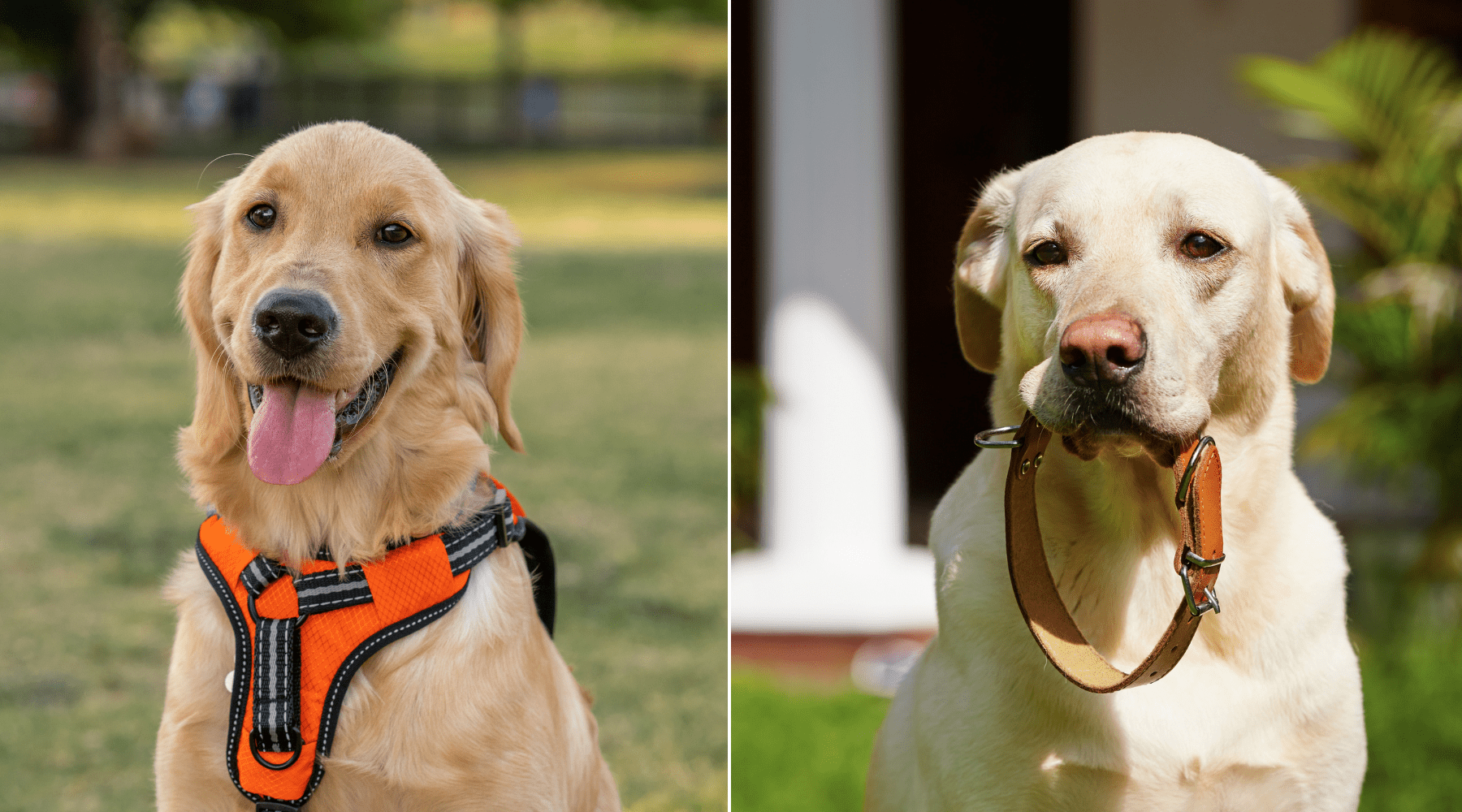
- Protects the neck by spreading force over the chest and shoulders.
- A front-clip can reduce pulling and improve steering.
- Helps with dogs who lunge, zigzag, or have airway issues.
Harness limits
- Poor fit can chafe behind the armpits.
- Some no-pull designs restrict the shoulder if misused.
- More straps mean more steps to put on.
- Simple, fast, and holds tags and trackers.
- Fine for well-trained dogs who do not pull.
- Useful for quick potty breaks or yard time.
Collar limits
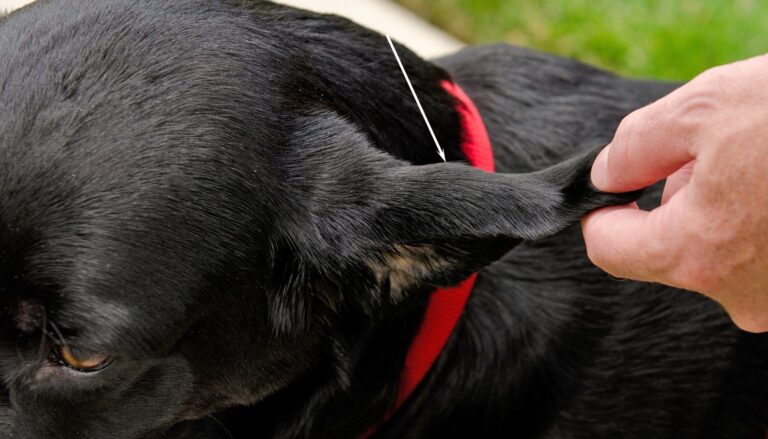
- Can add pressure to the trachea, thyroid, and eyes during pulling.
- Higher risk for small breeds and brachycephalics.
- Less control in crowded or high-drive settings.
Use this as a guide, not a rule. Dog Harness Vs Collar: Which Is Safer For Daily Walks in 2026? comes down to fit, training, and your dog’s body.
Source: dogfriendlyco.com
Science check: neck, chest, and airway health
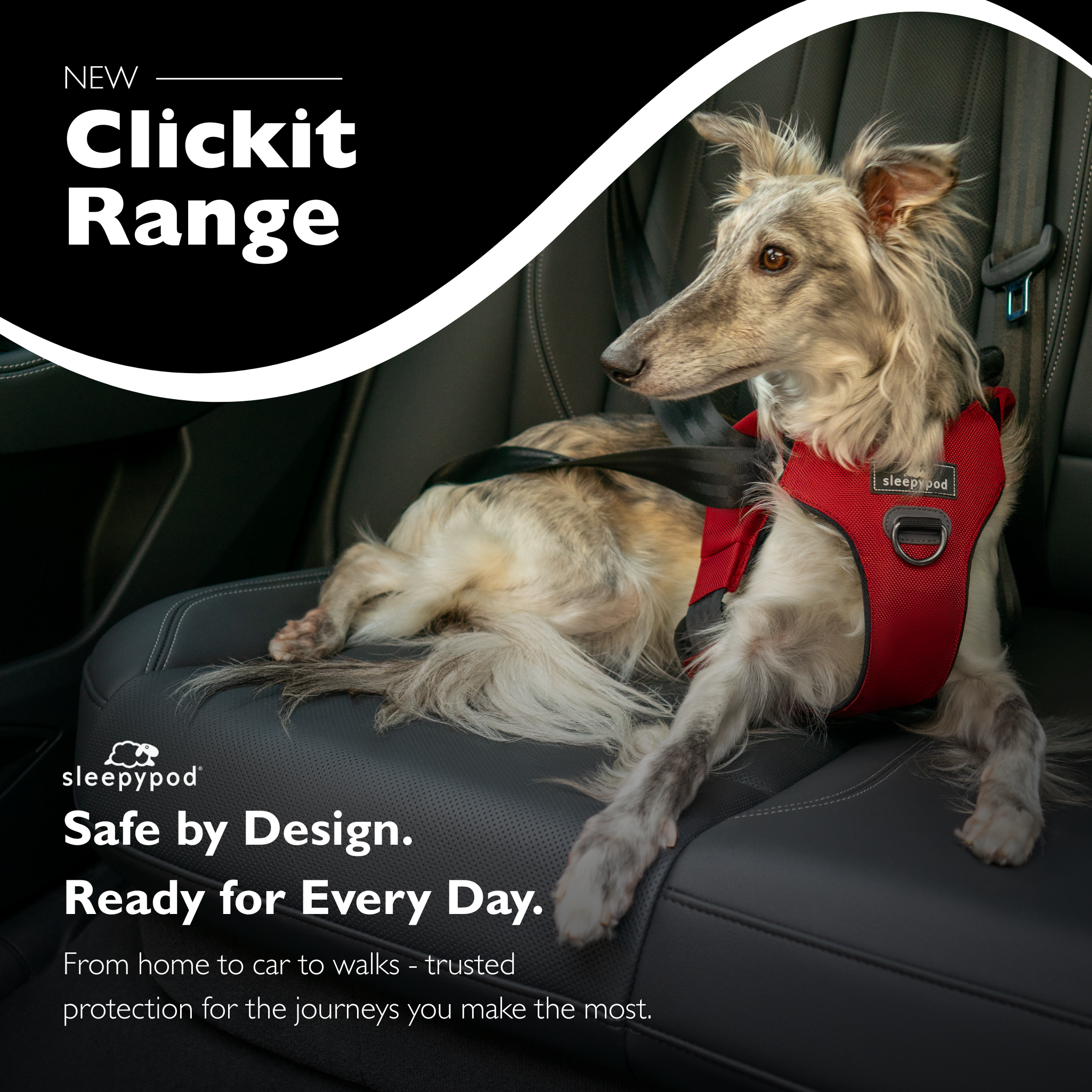
Research in recent years shows neck leads can raise pressure on the trachea and eyes when a dog pulls. Neck pressure can also affect soft tissues near the thyroid and the cervical spine. Small dogs and flat-faced breeds are most at risk. A chest-based harness spreads load away from these spots.
A harness is not magic. A tight strap over the shoulder can change gait. A loose harness can twist. Pick designs that let the shoulder move. Check fit often. The core message holds: for Dog Harness Vs Collar: Which Is Safer For Daily Walks in 2026?, a good harness lowers neck risk in daily use.
Source: sleepypod.com
Behavior and training factors
Pulling is normal. Dogs move faster than we do. A back-clip harness can reward pulling by letting the dog lean in. A front-clip harness helps you steer and turn. Pair it with food rewards for a loose leash.
I teach a simple plan. Mark and pay for slack. Stop when the leash goes tight. Move again when slack returns. Use short reps. This plan works with both tools, but the harness gives more control and less risk. That is key in the Dog Harness Vs Collar: Which Is Safer For Daily Walks in 2026? debate.
Breed and health considerations in 2026
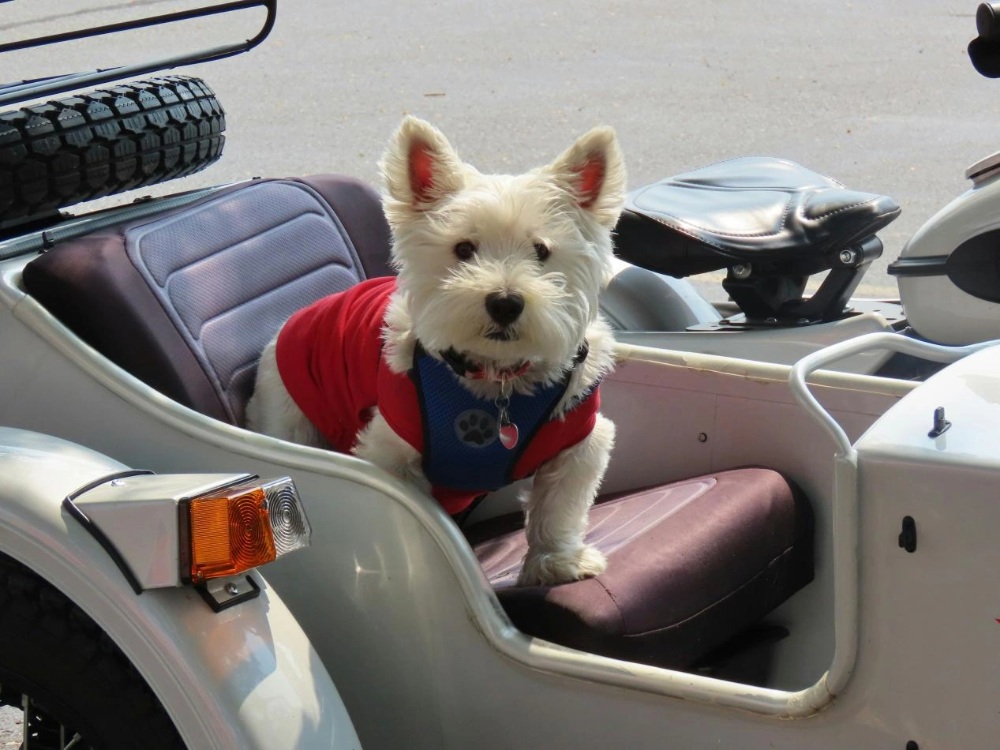
- Brachycephalic dogs. Choose a Y-front harness. Avoid neck load.
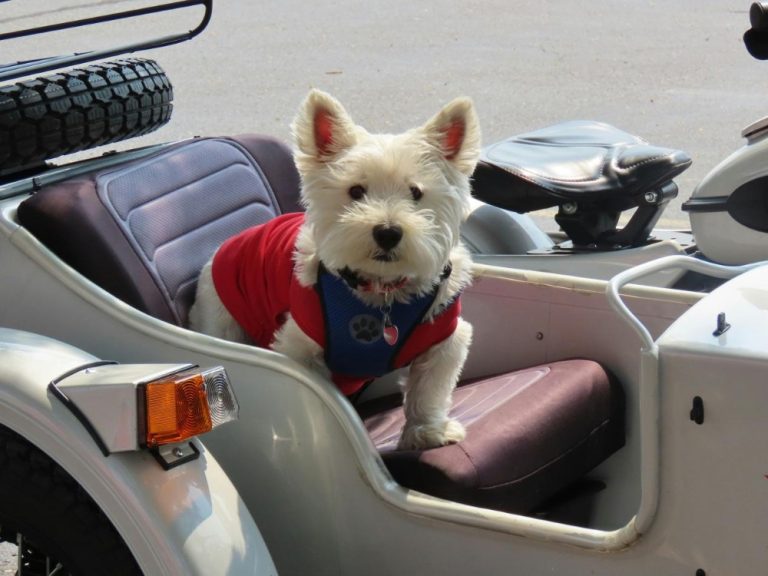
- Toy breeds. Use a padded harness. Collars can press on a tiny airway.
- Sighthounds. Use a martingale for ID plus a harness for walks. Their necks are slim.
- Large power breeds. Use a two-point harness (front and back clip) for steering.
- Seniors or dogs with neck pain. Harness first to protect joints and spine.
- Puppies. Harness while you teach leash skills. Add a light collar for ID.
Dog Harness Vs Collar: Which Is Safer For Daily Walks in 2026? depends on your dog’s build. Match the tool to the body.
Source: holydoggroup.com
Types of harnesses and collars today
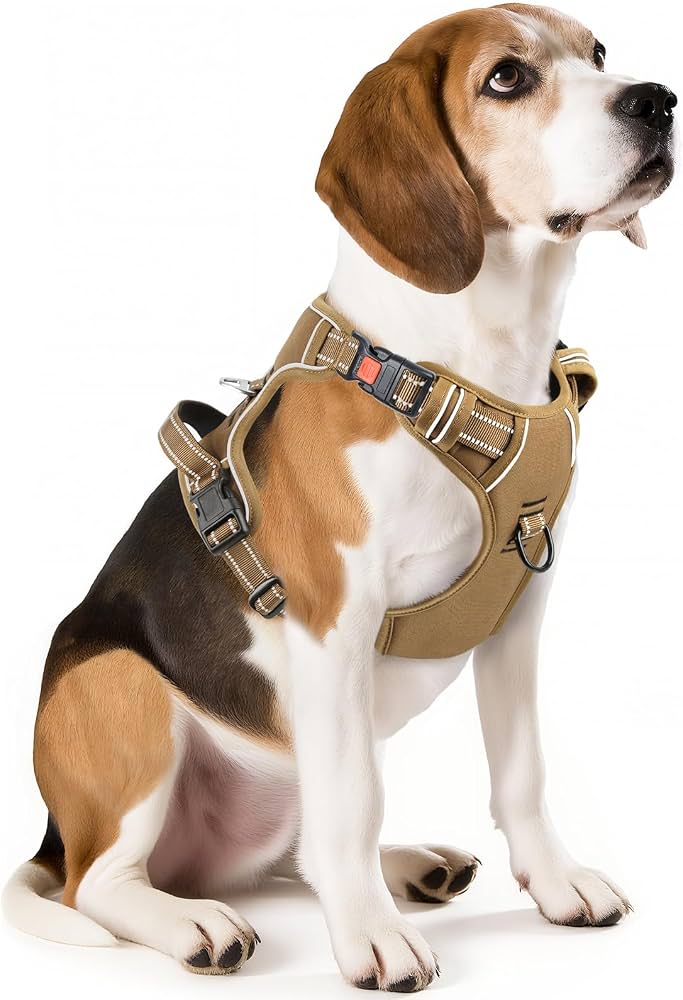
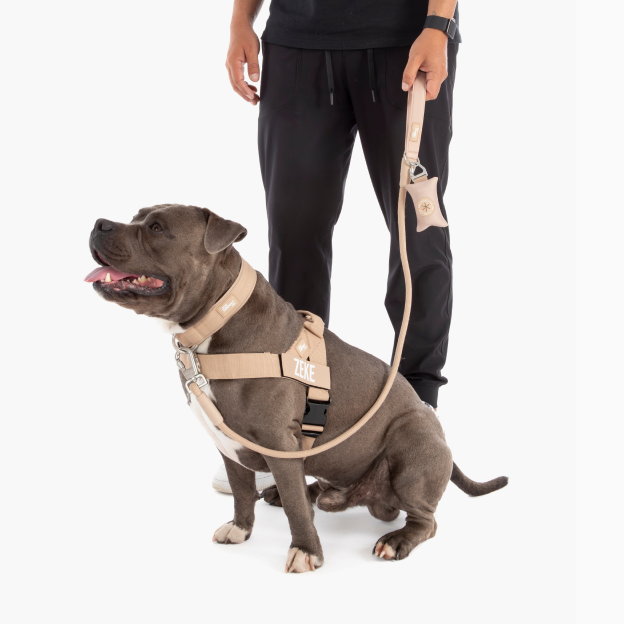
- Y-front or H-back. Best range of motion and load spread.
- Front-clip. Helps reduce pulling and aids turning.
- Dual-clip. Offers steering and a backup point.
- Step-in. Fast but can press near the armpit if small.
- No-pull tighteners. Use with care; avoid under-shoulder pressure.
- Trail and service styles. Add handles, reflective trim, and pack space.
- Smart harnesses. Some add lights or trackers in 2026 models.
Collars
- Flat buckle. Simple, common, holds ID.
- Martingale. Safer for narrow heads; tightens a bit to prevent slip.
- Breakaway. Good for home use to avoid snag risk; add a harness for walks.
- Smart collars. GPS and health data; use for ID plus a harness for the leash.
These choices shape Dog Harness Vs Collar: Which Is Safer For Daily Walks in 2026? in real homes and streets.

Source: amazon.com
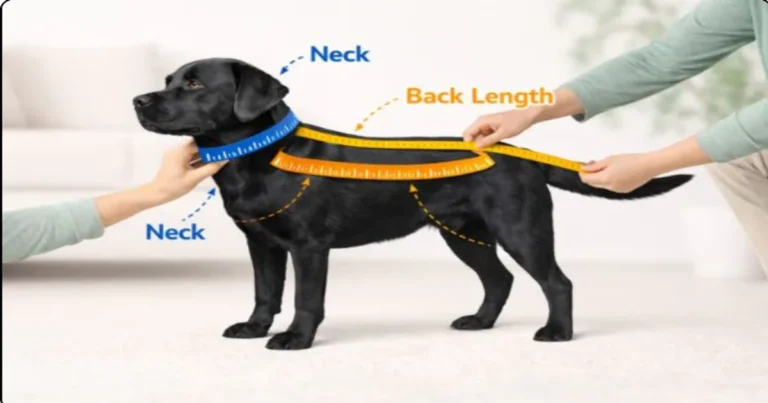
Fit and sizing: a 7-step checklist
- Measure neck and chest at the widest point.
- Pick a size that allows two fingers under every strap.
- Check the sternum strap sits flat and low, not on the throat.
- Straps should clear the shoulder blade so the leg moves free.
- Clip a leash and walk. Watch for rubbing or twisting.
- Recheck after two weeks; gear can loosen as webbing settles.
- Wash often. Dirt can cause chafing.
Good fit is half the answer to Dog Harness Vs Collar: Which Is Safer For Daily Walks in 2026?.
Source: k9connoisseur.com
Mistakes to avoid and how to fix them
- Using a collar for a hard puller. Switch to a front-clip harness and train turns.
- Over-tight straps. Loosen until you can slide two fingers under the strap.
- Under-tight straps. Tighten to stop shifting and escape.
- Shoulder-blocking designs. Choose a Y-front that clears the joint.
- Skipping ID tags on harness users. Keep a collar with tags on at home.
- Using aversive tools without coaching. Seek a force-free trainer first.
These fixes can shift your score on Dog Harness Vs Collar: Which Is Safer For Daily Walks in 2026? fast.

Source: amazon.com
My field notes: what worked for real dogs
- Power puller shepherd mix. A dual-clip Y-front with a two-point leash cut pulling by half on day one. We then trained loose-leash for four weeks.
- Tiny senior Yorkie. A soft mesh harness stopped coughing on walks that a collar had triggered.
- Fearful rescue hound. A martingale kept ID safe, but the leash clipped to a front-clip harness. Fewer startles, more control.
These cases echo the bigger point in Dog Harness Vs Collar: Which Is Safer For Daily Walks in 2026?: match the tool to the dog and the goal.
How to decide: a simple decision tree
- Does your dog pull, lunge, or cough on leash? Choose a front-clip or dual-clip harness.
- Is your dog calm and trained? A flat collar can work for short, quiet walks, but keep a harness for busy areas.
- Is your dog small, flat-faced, or has neck issues? Harness only for walks.
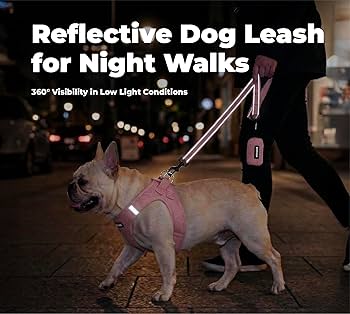
- Do you hike or walk at night? Use a padded harness with reflective trim and a light.
- Do you need GPS? Use a smart collar for ID and data, leash the harness.
When you work through this tree, you solve Dog Harness Vs Collar: Which Is Safer For Daily Walks in 2026? for your home.
Care, materials, and sustainability
- Wash webbing monthly. Hand wash with mild soap. Air dry.
- Check buckles, stitching, and D-rings for wear. Replace at first fray.
- Choose padded edges and smooth hardware for comfort.
- Go reflective for dusk and dawn.
- Consider recycled webbing or plant-based dyes.
Well-kept gear stays safe. That supports the answer to Dog Harness Vs Collar: Which Is Safer For Daily Walks in 2026? over time.
Cost of ownership and value in 2026
- Collars. $10–$40 for quality flat or martingale.
- Harnesses. $25–$80 for durable, padded, reflective models.
- Smart add-ons. $50–$300 for GPS or health sensors.
The best value is the tool you use daily with comfort and control. A solid harness can prevent costly vet visits, which also feeds into Dog Harness Vs Collar: Which Is Safer For Daily Walks in 2026?.
Legal and ethical notes for 2026 city walks
Many cities require a leash in public spaces. Some places now ask for reflective gear at night. Most areas require ID tags and a microchip. Avoid pain-based tools and focus on kind methods. Your plan should fit local rules and your dog’s welfare. This frame helps answer Dog Harness Vs Collar: Which Is Safer For Daily Walks in 2026? in public settings.
Frequently Asked Questions of Dog Harness Vs Collar: Which Is Safer For Daily Walks in 2026?
Is a harness always safer than a collar?
Not always, but it is safer for most dogs who pull or have airway risks. Calm, trained dogs can do fine on a flat collar for short, low-stress walks.
Will a harness stop my dog from pulling?
It helps, but training does the heavy lift. A front-clip harness adds steering so you can reward slack and change direction with ease.
Can a collar harm my dog’s neck?
It can if your dog pulls, lunges, or hits the end of the leash. Small and flat-faced dogs face the most risk.
What about head collars?
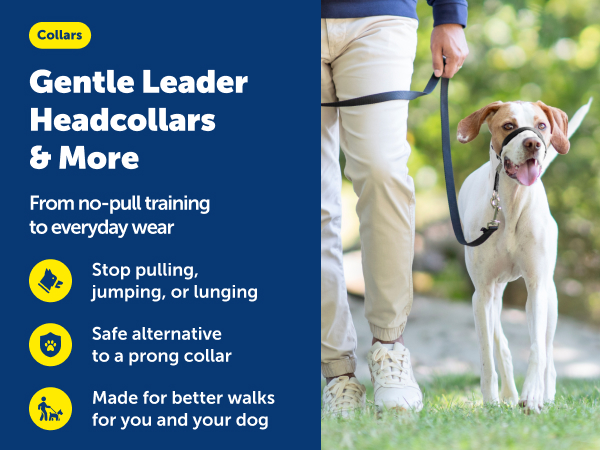
Head collars offer strong control but need careful fitting and slow intro. Many dogs accept them with training, but most owners prefer a front-clip harness.
Should my dog wear a collar and a harness?
Yes, often. Keep a collar for ID and GPS, and clip the leash to the harness for walking.
How do I know the harness fits right?
You should fit two fingers under each strap. The chest strap sits off the throat, and the shoulder can move free.
Conclusion
For daily walks in 2026, most dogs are safer and more comfortable on a well-fitted Y-front or dual-clip harness. Collars still matter for ID and for calm, trained dogs, but a harness lowers neck risk and boosts control in real life. Fit it well, pair it with kind training, and your walks will feel lighter and safer.
Try a front-clip harness for two weeks with loose-leash practice. Track how your dog’s pace, breathing, and focus change. Share your results, ask questions, and subscribe for more walk-ready tips.