Why Does My Dog Pull More With A Harness?: Stop Pulling Best Guide In 2026
Dogs often pull more in harnesses due to opposition reflex, comfort, and fit issues.
If you have asked yourself “Why Does My Dog Pull More With A Harness?”, you are not alone. I have trained hundreds of dogs on city streets, trails, and busy parks. I will show you how harness design, fit, and handling feed the habit. You will learn what to change today and how to train for calm, loose-leash walks. Read on for a clear plan backed by research and real field work.

What actually causes more pulling in a harness
If you wonder “Why Does My Dog Pull More With A Harness?”, start with the body’s reflexes. When a dog feels steady pressure, the opposition reflex kicks in. The body leans into it, not away from it. A harness spreads pressure across the chest and back. This makes pulling feel safe and even rewarding.
The other piece is simple learning. If your dog pulls and still gets to move forward, that pull gets paid. The street smells make the best paychecks. Over time, your dog learns that tension means “go.” A back-clip harness is comfy, so the tug feels natural.
In my work, the fastest pullers were often in soft, back-clip gear. They were happy and secure, which is good. But they could lean like sled dogs. Once we changed the clip point and the handler’s habits, the pull eased within days.

Harness designs that can make pulling worse
Why Does My Dog Pull More With A Harness? Sometimes it is the design. Not all harnesses guide the body the same way. Small choices change how motion feels to your dog.
Key design points to watch:
- Back-clip only. The leash clips behind the shoulders. This lets your dog lean and drive forward.
- Wide chest strap. A broad strap can act like a tow belt. It spreads load and makes effort easy.
- Restrictive shape. Straps that cross the shoulders can change stride. Some studies show this can reduce joint range. Odd motion can raise arousal and pulling.
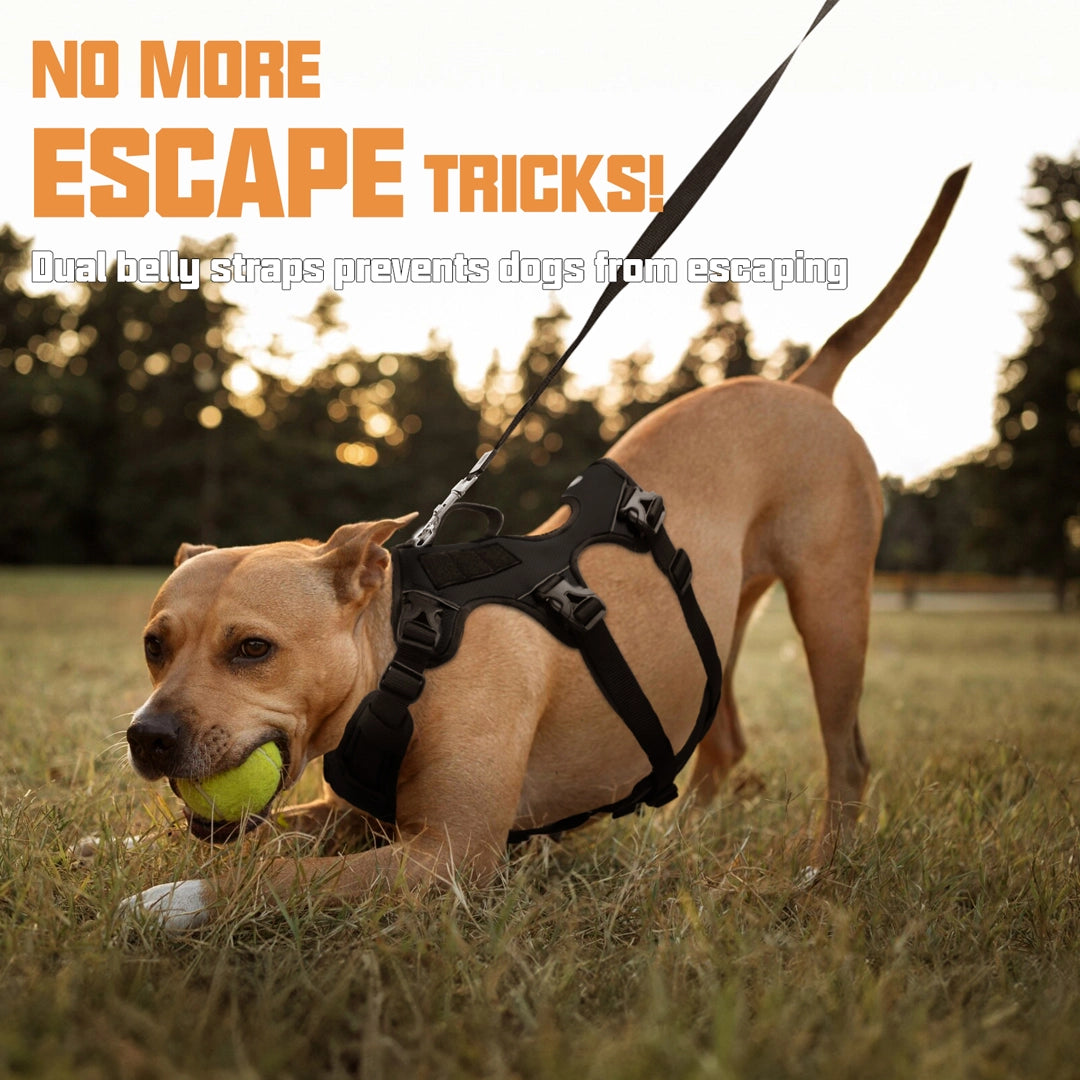
- Loose, sliding fit. If the belly strap creeps into the soft ribs or armpit, dogs speed up to escape the rub.
- Single buckle with no sternum anchor. The front of the harness rides up the neck. This can cause gagging and more fight against pressure.
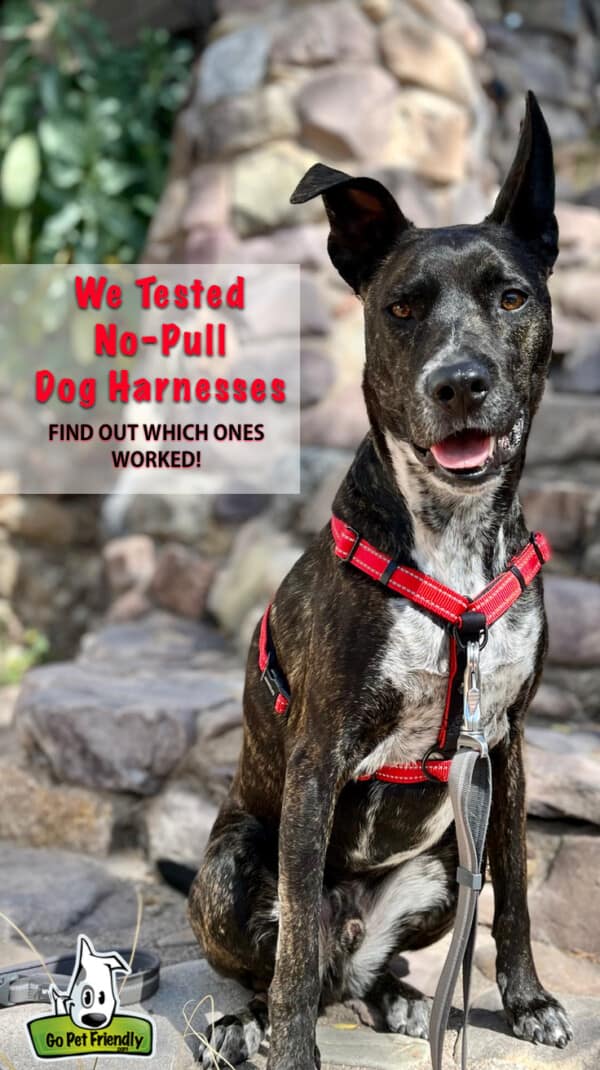
A front-clip option can help. It shifts the leash to the chest, which turns the body. That turn breaks the lean and reduces power. A double-clip system with a two-ended leash gives you control and choice.
Fit and biomechanics: where comfort meets control
Why Does My Dog Pull More With A Harness? Poor fit is a top cause. A good harness should not block the shoulder blades. It should not sit high on the throat. It should not pinch skin.
Use this simple fit check:
- The Y-junction rests at the breastbone, not on the neck.
- The shoulder points are clear. The front straps do not run across the top of the shoulders.
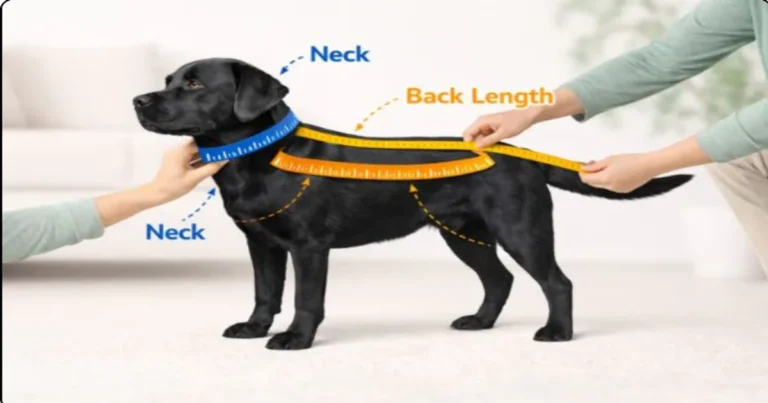
- You can slide two fingers under each strap. It feels snug, not loose.
- The belly strap sits behind the last rib, not the soft belly.
- No rubbing in the armpits after a short walk. Check for hair loss, redness, or flinching.
Why this matters: when the shoulder can move free, stride is smooth and calm. A smooth stride lowers the urge to fight the leash. Comfort helps focus. Your dog has one less thing to push against.

Handler habits that unknowingly reward pulling
You might ask again, Why Does My Dog Pull More With A Harness? It can be your leash skills without you knowing it. Dogs repeat what works. If pulling moves them toward a smell or a friend, they will pull more.
Common traps I see:
- Constant tension. A tight leash becomes white noise. Dogs learn to live in it.
- Fast pace. We start fast, the dog speeds up, and pulling becomes the default.
- Paying at the wrong time. Treats after pulling still reward the last thing the dog did.
- Long, stretchy leashes. They teach your dog to surf the bounce and lunge into slack.
Simple fixes that work:
- Stop and wait the second the leash goes tight. Move only when the leash is slack.
- Mark and feed at your side. Keep rewards by your leg, not out front.
- Take tiny steps. Change pace often. Add gentle turns to break the straight-line sprint.
- Use a short, non-elastic leash. Hold it with soft hands. Think “J” shape, not a tight line.
:strip_icc()/sps-dog-harnesses-test-rabbitgoo-no-pull-amazon-front-back-attachment-dera-burreson-04-f225e7a1fd4146c3a56dff4269c1413d.jpg)
Source: electrotechsystems.com
Behavior, breed, and environment factors
Why Does My Dog Pull More With A Harness? Drive and arousal play a role. Young dogs pull more. Scent hounds live by their nose. Nordic breeds were bred to pull. Busy streets raise arousal and speed.
You can help by shaping the walk to the dog in front of you:
- Match the task to the dog. A beagle needs sniff breaks. A husky needs more work before calm walks.
- Start in easy spaces. Train in low-distraction areas first. Add challenge in small steps.
- Meet needs early. Give a sniff stop and a short run before focus work.
Health also matters. Pain can cause fast gaits and tension. If pulling grows fast or comes with limping, talk to your vet or a physio.

A step-by-step training plan to reduce pulling
Why Does My Dog Pull More With A Harness? Training is the lever you can move today. Use this plan across 10 to 15 short sessions. Keep each session five to seven minutes. One quiet loop beats a long, messy walk.
- Step 1: Reward position. In your yard, stand still. When your dog is near your leg with a slack leash, mark and feed by your knee.
- Step 2: One step game. Take one step. If the leash stays slack, mark and feed. If it tightens, step back to where you were.
- Step 3: Micro turns. Add gentle turns toward your dog. Mark as they turn with you and pay at your leg.
- Step 4: Short straight lines. Walk five to ten steps, then reward. Grow that to 20, then 40 steps over time.
- Step 5: Add tiny distractions. Toss a treat on the ground. Ask for one step of focus past it. Pay big.
- Step 6: Field test. Move to a quiet street. Use the same rules. Keep sessions short and end on a win.
Use high value food at first. Then mix in praise, sniff breaks, and forward motion as rewards. This keeps joy high while slack becomes the habit.

Choosing and testing the right equipment
You may still ask, Why Does My Dog Pull More With A Harness, even after practice? The right gear can help the work stick. Test gear indoors first. Your aim is comfort, clear motion, and gentle control.
What to look for:
- Y-shaped front with a true chest ring at the sternum.
- Adjustable straps at neck, chest, and belly for a close fit.
- Padded straps that do not trap heat or rub.
- A back ring plus a front ring for double-clip use.
How to test:
- Put the harness on and feed a few calm treats.
- Walk five steps inside. Check for free shoulder motion.
- Clip to the front ring and do slow, easy turns. Your dog should turn with you, not brace.
A head halter can help as a short-term aid for strong pullers. Pair it with careful desensitization. Avoid harsh tools that cause pain. They may stop pulling fast but can raise fear or reactivity down the road.

Mistakes to avoid and common myths
Why Does My Dog Pull More With A Harness? Myths muddy the water. You may hear that “harnesses teach dogs to pull.” The truth is more precise. Bad fit and poor handling teach dogs to pull. A good harness and good training reduce risk, not raise it.
Avoid these mistakes:
- Picking size by weight alone. Measure girth and chest, then adjust.
- Letting the leash act as a brake. It should be a seat belt, not a steering wheel.
- Training only on walks. Build skills at home first.
- Jumping to long, busy routes too soon. Add chaos only after basics are solid.
And one more: do not chase fast fixes. Slow, kind work lasts. Your bond grows while the habit fades.

Tracking progress so you know it is working
Why Does My Dog Pull More With A Harness? Track the answer with data. It keeps you honest and proud of wins. Small gains build fast.
How to track:
- Count “loose-leash minutes” per walk. Write the number in a note app.
- Count turns taken with no tension. More smooth turns mean more control.
- Rate arousal from 1 to 5 at the start and end of the walk.
- Take a short video each week from the same spot for a fair view.
When your numbers stall, make one change at a time. Adjust the route, the reward, or the pace. Change only one thing so you know what works.
Frequently Asked Questions of Why Does My Dog Pull More With A Harness?
Why does my dog pull more with a back-clip harness?
A back-clip lets your dog lean forward and drive like a sled dog. It also keeps pressure off the head and makes pulling feel safe and strong.
Will a front-clip harness stop pulling right away?
It helps turn the body, which reduces power. But you still need training to teach loose-leash habits.
Can a harness hurt my dog’s shoulders?
A poor fit can rub and restrict shoulder motion. Studies show some designs limit stride, so pick a harness that clears the shoulder blades.
Is a head halter better than a harness for pulling?
A head halter gives precise control and can reduce lunging. It needs slow, positive training to feel good and should not replace leash skills.
How long will it take to fix pulling?
Many teams see change in two to four weeks with daily short sessions. Strong habits or high-drive dogs can take longer, but steady work pays off.
Why Does My Dog Pull More With A Harness even after training?
Check fit, environment, and rewards. You may need a front-clip setup, shorter sessions, or higher value pay in hard places.
Should I use a retractable leash with a harness?
No. Retractable lines teach tension and reward pulling with more range. A short, fixed leash is safer and clearer.
Conclusion
Pulling grows from reflex, comfort, and learned payoffs. With better fit, a smart harness, and short, focused training, you can turn chaos into calm. The path is simple: reward slack, remove payoff for tension, and make the right choice easy for your dog.
Start today. Measure your dog. Adjust the harness. Run two five-minute leash games. Then build small wins on quiet routes. Want more help? Subscribe for fresh training plans, or leave a comment with your dog’s breed, gear, and goals so I can suggest a custom next step.