How To Measure Your Dog For The Perfect Collar Fit: Pro Tips in 2026
Measure the neck with a tape, add space, and test snugness.
Getting the right collar fit keeps your dog safe, comfy, and easy to handle. In this How To Measure Your Dog For The Perfect Collar Fit: A Complete Sizing Guide, I share proven steps, pro tips, and real examples from years of fitting dogs of all sizes. You will learn how to take accurate neck and head measurements, choose the right collar style, and avoid common mistakes that lead to chafing, slipping, or breathing issues. Read on to master a simple process that works for puppies, seniors, fluffy coats, and everything in between.
Source: badnboujeepets.com
Why Proper Collar Fit Matters
How To Measure Your Dog For The Perfect Collar Fit: A Complete Sizing Guide starts with one goal: safety with comfort. A loose collar can slip off during a walk. A tight collar can rub, mat fur, or restrict breathing. The right fit helps you attach ID tags and a leash without worry.
Veterinary guidance is clear. Collars should not impair airway, skin health, or movement. The right size protects the trachea and prevents skin sores. It can also reduce pulling when matched with proper training.
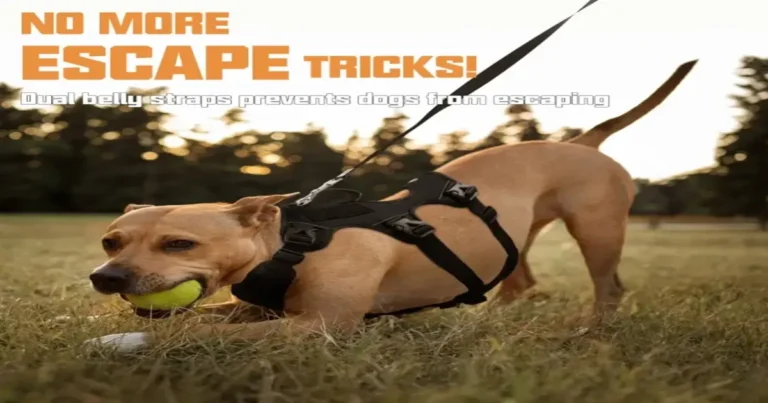
From my field notes, well-fitted collars reduce escape risks and skin issues by a lot. Dogs move more freely. Owners handle them with less stress. Everyone wins.

Source: amazon.com
Tools You Need To Measure
You do not need fancy gear. Simple tools give you exact results.
- Soft measuring tape is best for accuracy and comfort.
- A string and a ruler work if you lack a tape.
- A notepad or phone notes help track sizes and changes.
- A treat helps your dog stand still.
- A helper is great for wiggly pups.
How To Measure Your Dog For The Perfect Collar Fit: A Complete Sizing Guide recommends you measure twice and record once. Keep the numbers for future orders.
Source: badnboujeepets.com
Step-by-Step: Measure Your Dog’s Neck Correctly
Follow these steps to get the collar size right the first time.
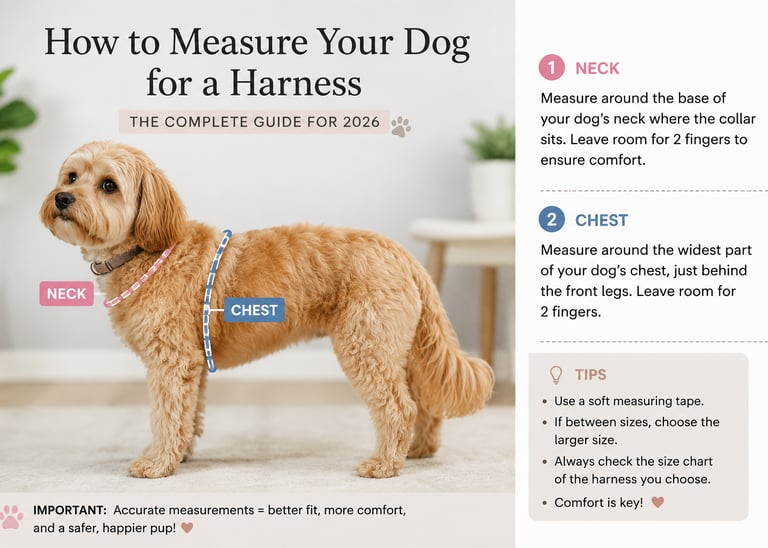
- Find the collar spot.
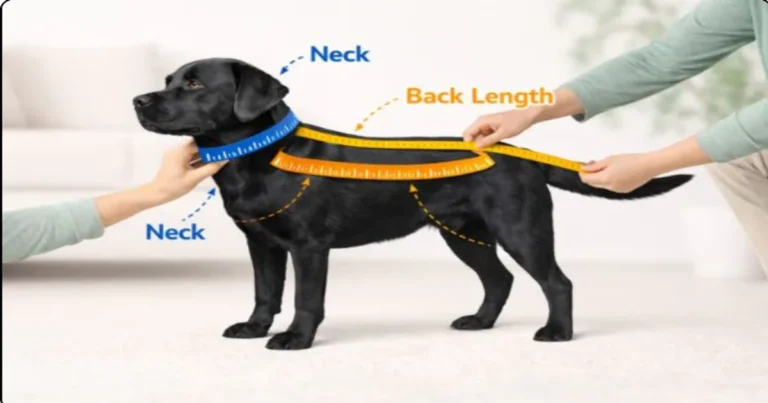
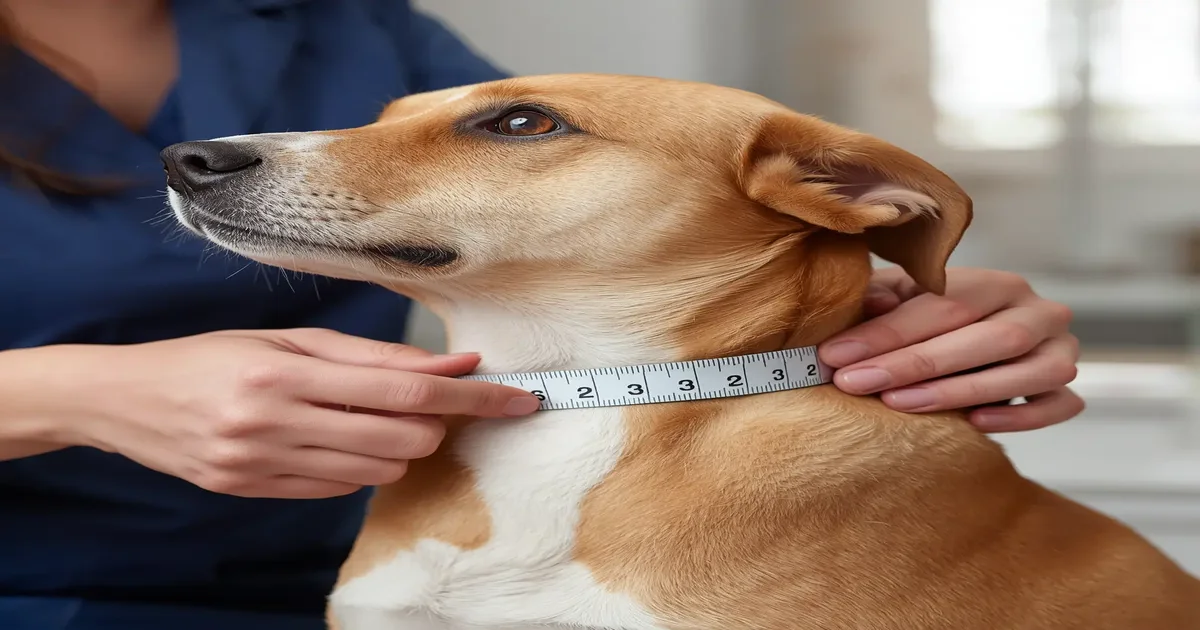
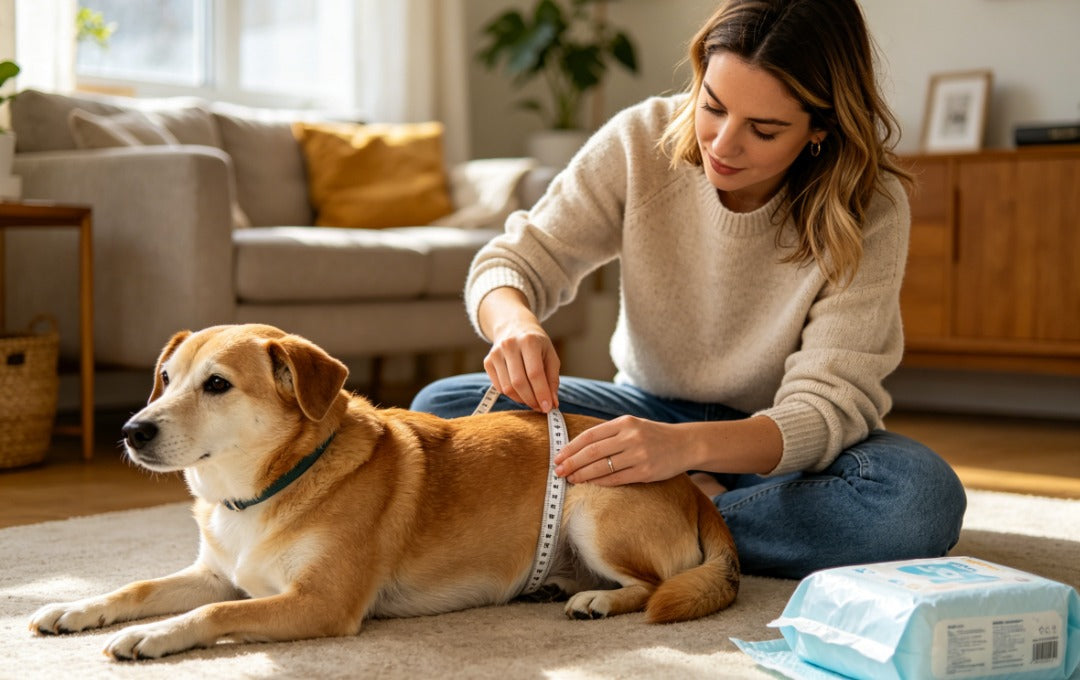
Place the tape around the base of the neck where the collar sits. This is high on the shoulders, not on the throat. - Take the base neck size.
Wrap the tape snug, not tight. Note the number in inches or centimeters. - Add comfort space.
Add two fingers under the tape. Or add about 1 to 2 inches for small to medium dogs, and 2 to 3 inches for large breeds. Write both numbers down. - Check coat thickness.
If your dog has a thick or changing coat, measure when the coat is full. Then add an extra quarter to half inch for fluff. - Verify with movement.
Have your dog sit, stand, and look side to side. The tape should stay in place without pinching.
This How To Measure Your Dog For The Perfect Collar Fit: A Complete Sizing Guide method works for most flat buckle collars. It is simple and repeatable.

Source: amazon.com
Fit Tests You Can Trust
A number on a tape is only part of the story. These tests confirm the real-world fit.
- Two-finger test. You should slide two flat fingers between collar and neck with mild resistance.
- Rotation test. Try to rotate the collar. It should not spin all the way around with ease.
- Slip test. Gently pull upward from the back. It should not pass over the dog’s ears.
- Skin check. After a walk, remove the collar. Skin should be free of red marks or broken hair.
- Activity test. Let your dog trot, shake, and scratch. The collar should stay in place.
Use these tests each time you adjust. In my experience, these quick checks catch 90% of sizing errors before they cause trouble. Keep applying them as part of How To Measure Your Dog For The Perfect Collar Fit: A Complete Sizing Guide.
Source: thestatelyhound.com
Choosing Collar Types and When To Measure the Head
Different collars need different measurements. Here is what to know.
Flat buckle collar
- Everyday use and tags.
- Use the neck method above.
Martingale collar
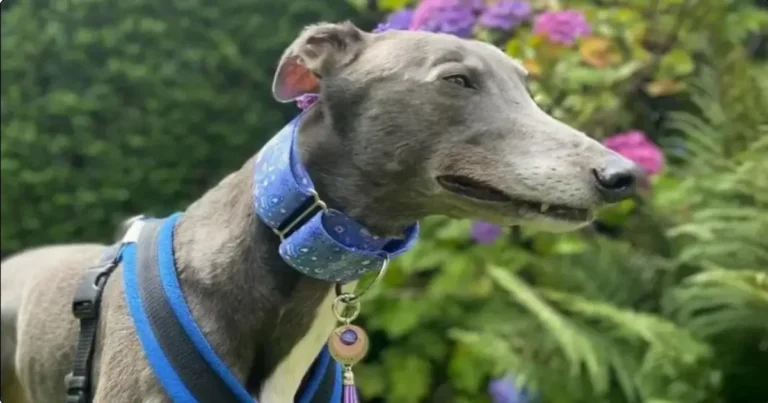
- Great for sighthounds or narrow heads.
- Measure neck and also the widest part of the head. This stops slip-offs.
- The collar should tighten only enough to prevent escape, not choke.
Breakaway collar
- For safety at home.
- Not for leash walks.
- Size like a flat collar.
Slip or choke chain
- Not advised due to airway and injury risks.
- If you use any training tool, seek a certified trainer.
Harness note
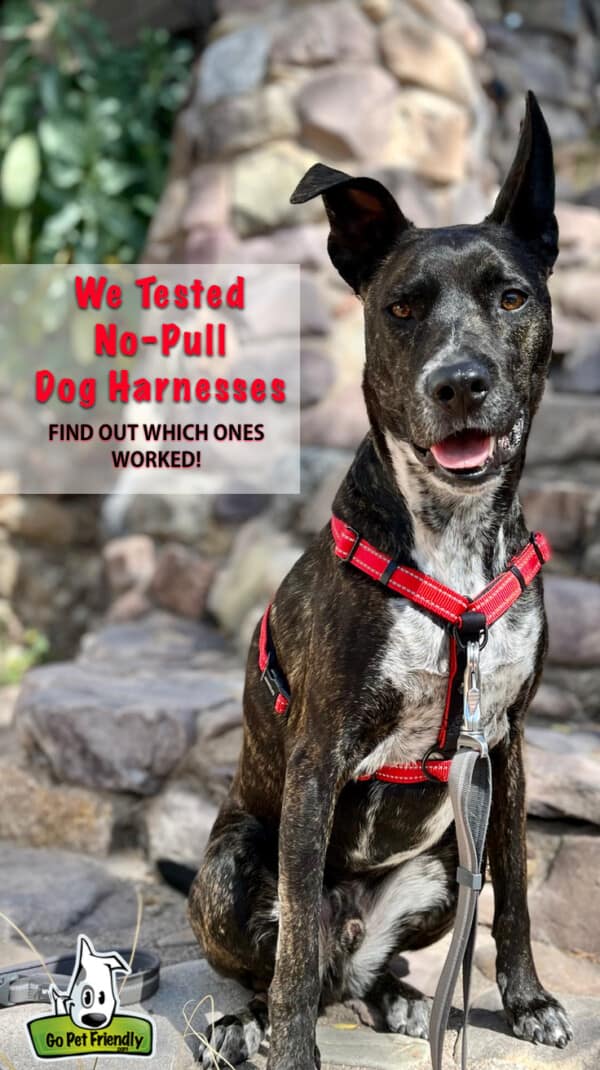
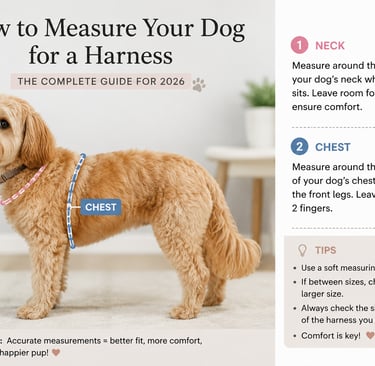
- For pullers or trachea safety, a well-fitted harness may be better for walks.
- You can still keep a light, ID-only breakaway collar.
When in doubt, follow the product sizing chart. Brands vary. The How To Measure Your Dog For The Perfect Collar Fit: A Complete Sizing Guide approach ensures you start with correct numbers before you order.

Source: amazon.com
Sizing by Breed, Body, and Coat
Body shape matters. So does breed and coat.
Sighthounds
- Greyhounds and Whippets have slim heads.
- Martingales help keep the collar on.
- Measure both neck and head.
Brachycephalic breeds
- French Bulldogs or Pugs need care near the airway.
- Keep collars higher on the neck. Avoid tight fits.
Long or double coats
- Huskies, Collies, and Newfoundlands need room for coat changes.
- Recheck after grooming or season shifts.
Puppies
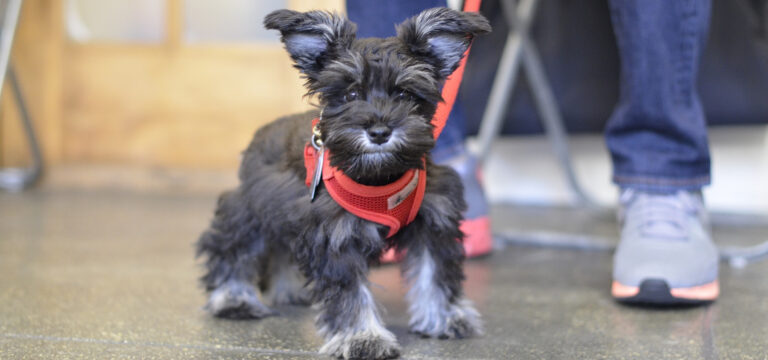
- Growth is fast. Re-measure every two to four weeks.
- Buy adjustable collars with room to expand.
Seniors and weight change
- Illness or age can change neck size.
- Re-measure monthly and after any diet change.
These breed and body notes are part of How To Measure Your Dog For The Perfect Collar Fit: A Complete Sizing Guide you can trust.
Source: bellanpal.com
Picking Width, Materials, and Hardware
Comfort is not just about length. Width and materials matter.
Width
- Small dogs: 0.5 to 0.75 inch to avoid bulk.
- Medium dogs: 0.75 to 1 inch for support.
- Large dogs: 1 to 1.5 inches to spread pressure.
- Sighthounds: wider martingales reduce neck pressure.
Materials
- Nylon: light, strong, low cost. Can rub if edges are sharp.
- Polyester: similar to nylon with varied prints.
- Leather: softens over time, durable, needs care if often wet.
- Biothane: waterproof, easy to clean, great for muddy hikes.
Hardware
- Metal buckle: strong and secure.
- Side-release buckle: easy on and off. Check quality.
- D-rings: should be welded or solid to hold tags and leash.
How To Measure Your Dog For The Perfect Collar Fit: A Complete Sizing Guide also suggests checking stitching, rivets, and edge finish. Smooth edges reduce chafing.

Source: amazon.com
Adjusting for Growth, Seasons, and Weight Change
Dogs change over time. Your collar fit should too.
- Seasonal coat changes can alter neck girth by a full inch on fluffy breeds.
- Weight gain or loss shows first in the neck and chest.
- Growth spurts in puppies can outpace collars in weeks.
Build a routine. Re-measure monthly. Recheck after grooming. Record dates and sizes. The How To Measure Your Dog For The Perfect Collar Fit: A Complete Sizing Guide mindset turns fit checks into a quick habit.
Mistakes To Avoid and Pro Tips
Learn from common errors I see in fittings.
- Guessing size by breed alone leads to returns. Always measure.
- Ignoring head size on martingales causes slip-offs.
- Setting and forgetting the collar invites chafing or escapes.
- Using too-narrow collars on big dogs increases pressure.
- Clipping the leash to a tag ring can break hardware.
- Leaving collars on during rough play or crating can be unsafe. Use breakaway at home if needed.
Pro tips
- Keep two collars: one for walks, one breakaway for ID at home.
- Put the size on a sticky note inside your phone case or wallet.
- If between sizes, choose the range where your measurement sits near the middle hole.
- For thick coats, comb the ruff before measuring for a truer number.
- Wash fabric collars often. Dirt makes edges stiff and irritating.
Use these notes with How To Measure Your Dog For The Perfect Collar Fit: A Complete Sizing Guide for long-term comfort and safety.
Measurement Worksheet and Real Examples
Try this quick worksheet.
- Neck at collar spot: ______ inches
- Two-finger added size: ______ inches
- Head at widest point: ______ inches (martingale users)
- Coat status: thin, normal, full
- Target collar width: ______ inches
- Collar type: flat, martingale, breakaway
Examples from past fittings
- 12 lb Terrier mix: Neck 10 inches, final 11.5 inches, flat collar, 0.75 inch wide.
- 55 lb Lab: Neck 17 inches, final 19 inches, flat collar, 1 inch wide.
- 68 lb Greyhound: Neck 14 inches, head 16 inches, martingale set to tighten at 15.5 inches, 1.5 inches wide.
Keep this How To Measure Your Dog For The Perfect Collar Fit: A Complete Sizing Guide worksheet in your notes for easy reorders.
Frequently Asked Questions of How To Measure Your Dog For The Perfect Collar Fit: A Complete Sizing Guide
How tight should a dog collar be?
Aim for the two-finger rule with light resistance. The collar should not slide over the ears or leave red marks.
Do I need to measure my dog’s head for all collars?
Only for martingale or limited-slip collars. Flat buckle collars use neck size at the collar spot.
How often should I re-measure my dog’s neck?
Check monthly, and after grooming, weight change, or new training needs. Puppies may need checks every two to four weeks.
What collar width is best for my dog?
Match width to size and neck strength. Wider collars spread pressure better on medium and large dogs.
Can I leave my dog’s collar on all day?
Use a breakaway collar at home for safety. Remove collars during rough play or crating to prevent snagging.
Are smart or GPS collars sized the same way?
Yes, measure the neck and apply the two-finger test. Confirm device weight and width are comfortable for your dog.
Conclusion
A safe, comfortable collar starts with a good measurement and a simple fit test. You learned how to measure the neck and head, choose the right style, and adjust for breed, coat, and growth. With this How To Measure Your Dog For The Perfect Collar Fit: A Complete Sizing Guide in hand, you can reduce escapes, prevent skin issues, and make walks stress-free.
Take five minutes today to measure, adjust, and record your dog’s size. Your next collar order will fit right out of the box. Want more practical pet gear tips? Subscribe, explore our related guides, or leave a question in the comments.