Can Dogs Sleep With A Collar On: Best Vet-Approved Guide 2026
Dogs can sleep with a collar, but nights without it are often safer.
If you have ever asked, Can Dogs Sleep With A Collar On? Facts every owner should know can help you decide fast. I have guided many pet parents on this exact choice. In this guide, I share clear steps, vet-backed tips, and real stories so you can choose what is safest and most practical for your dog.
Source: susangarrettdogagility.com
What vets recommend about nighttime collars
Can Dogs Sleep With A Collar On? Yes, many dogs can. But most vets prefer no collar at night if you can keep your dog secure. The reason is simple. Night is when dogs move less and collars can rub, snag, or press on skin for hours.
Emergency clinics do see collar injuries. These include snags on crates, tags stuck in vents, and dogs caught on furniture. That risk is small but real. If you remove the collar, you remove that risk.
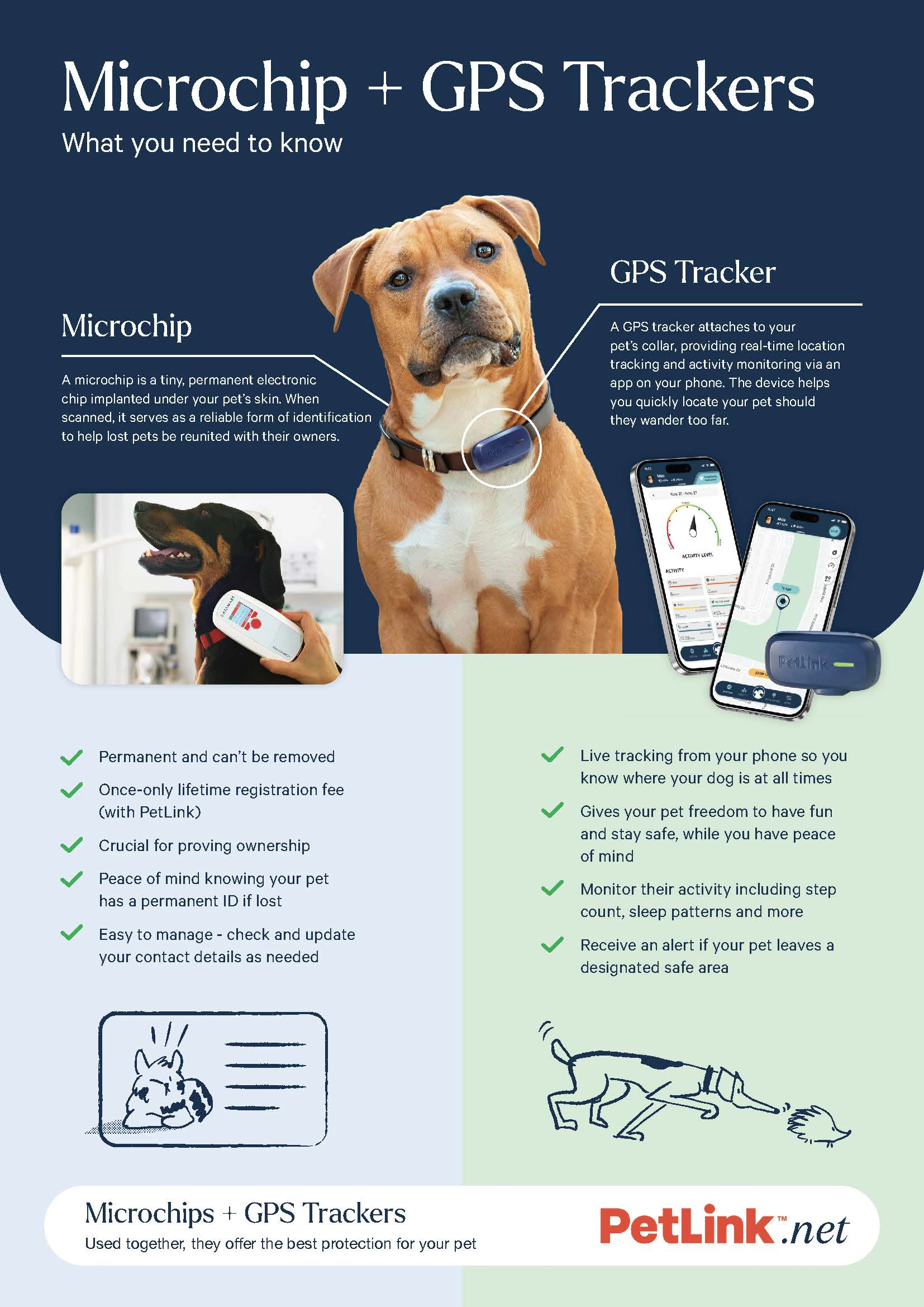
If your dog is a flight risk, lives in a complex, or a storm can open a door, a collar with ID may save time. In those homes, choose safer gear and a snug, not tight, fit. Add a microchip as a backup.
Source: romantik-chalets.com
Risks of sleeping with a collar on
Can Dogs Sleep With A Collar On? They can, but you should know the risks. Most problems come from time, friction, and chance.
Physical risks:
- Chafing and hot spots. Moisture, dirt, and pressure can inflame skin under the collar.
- Matting and hair loss. Long coats tangle under a band that never comes off.
- Neck strain. Tight collars can add pressure to the throat and neck.
- Dental snags. Dogs may chew at an itch and get a jaw or tooth caught in the collar or tag ring.
Safety risks:
- Entanglement. Collars can catch on crates, deck boards, heat vents, or wires.
- Play injuries. Two dogs can link by mouth and collar. That can choke one dog fast.
- Noise stress. Tag jingles at night can wake anxious dogs and light sleepers.
Higher risk dogs:
- Puppies. They grow fast and collars get tight without notice.
- Flat-faced breeds. They have airway issues and need less neck pressure.
- Seniors and skin-sensitive dogs. Thin skin and allergies inflame fast.
- Crated dogs. Metal bars and collars do not mix well when unsupervised.
These problems are rare in safe homes. But they do happen. Removing the collar at night lowers the odds.

Source: youtube.com
Benefits of leaving a collar on overnight
There are also reasons some owners keep collars on at night.
- Fast ID in an escape. If a door opens or a fence fails, tags help a finder call you.
- Local rules. Some buildings or yards require visible tags at all times.
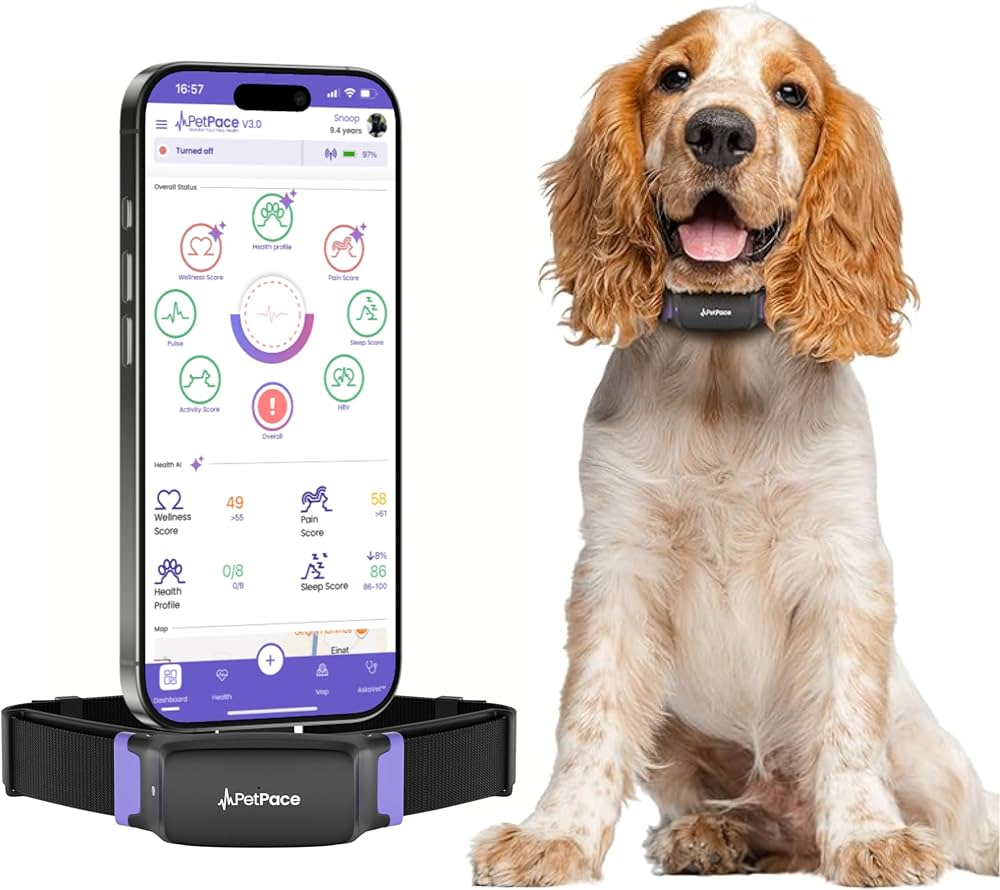
- Tracking. A GPS unit on a collar can help in rural areas or with gate jumpers.
- Medical alerts. Some dogs wear collars that list health needs or meds.
Can Dogs Sleep With A Collar On? In these cases, yes, if you manage fit, materials, and snag risks. Pick safer hardware and check the skin often.

Source: amazon.com
Safer alternatives and best practices for nighttime
If you ask, Can Dogs Sleep With A Collar On? you likely want a middle path. Here is how to make nights safer.
Fit and gear:
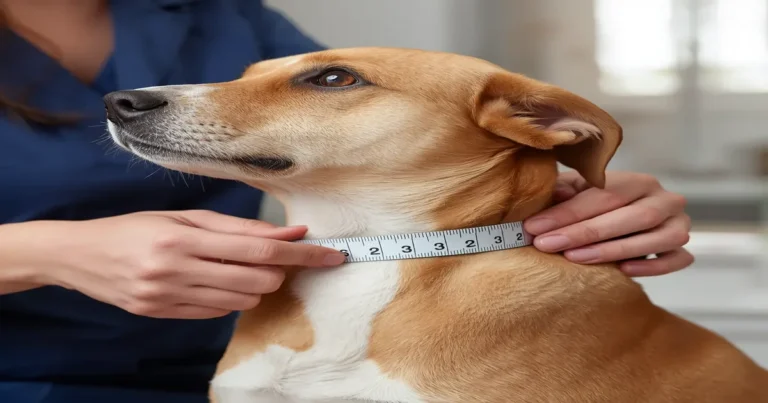
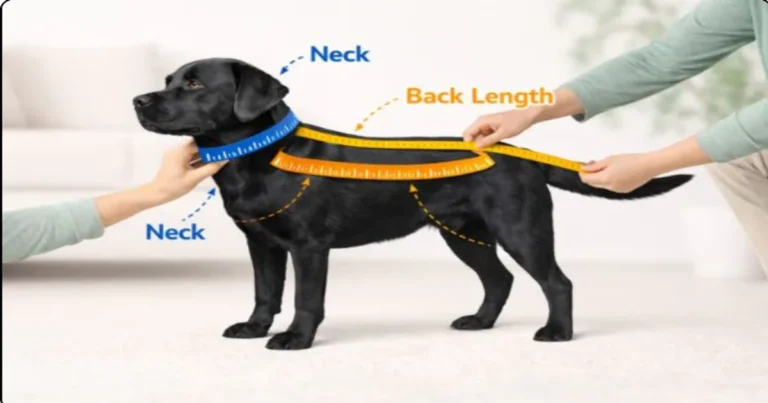
- Use the two-finger rule. You should slip two fingers under the collar with ease.
- Pick soft, smooth materials. Nylon or padded leather reduce rub.
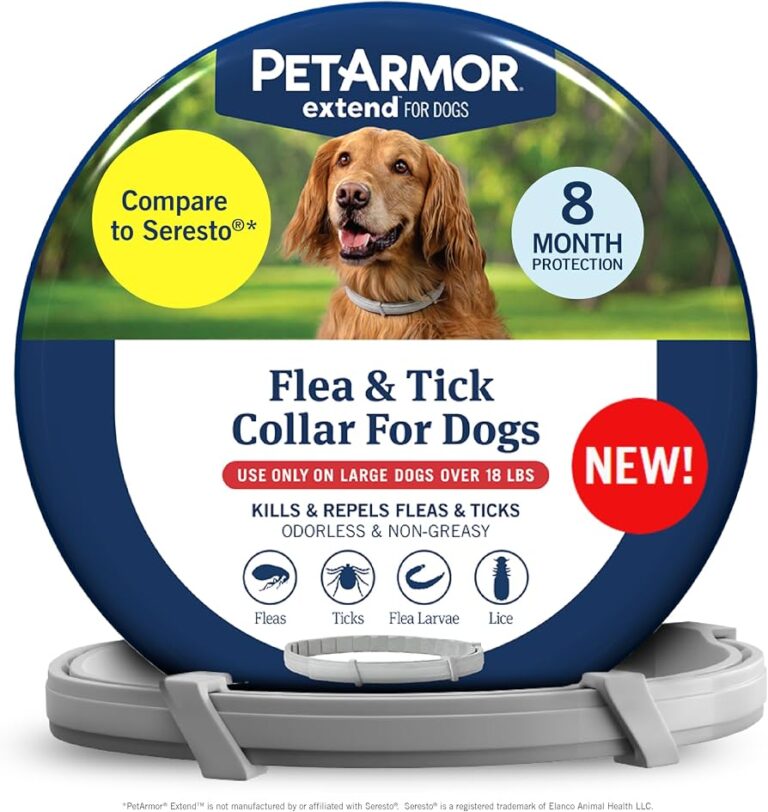
- Choose a breakaway collar. It opens under strain if it gets caught.
- Use a tag silencer or flat tag. Less jingle and fewer snag points.
- Avoid prong, choke, or martingale collars at night. Those are for training only.
ID and backup:
- Microchip your dog. It is a strong backup if a collar comes off.
- Add a QR code tag. A finder can scan and call you fast.
- If you use GPS, charge it and check straps weekly.
Home setup:
- Remove collars in crates. Many vets advise crate time without a collar.
- Smooth snag points. Cover vents and tuck loose wires.
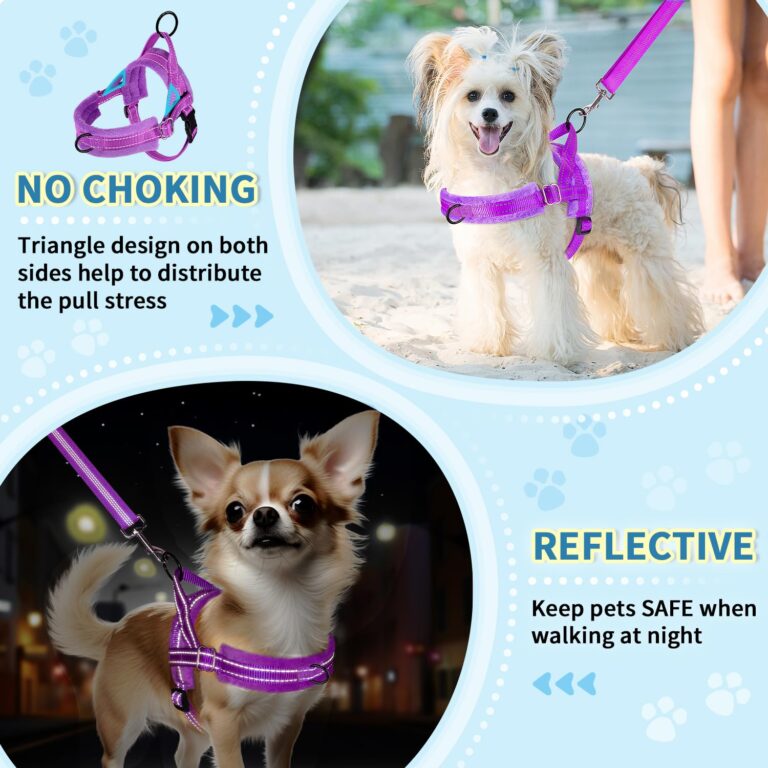
- Use a harness for walks. Reduce neck pressure in daily life.
Care and checks:
- Clean the collar weekly. Wash off dirt, oil, and allergens.
- Rotate collars. Give skin a break and let fabric dry.
- Check the neck daily. Look for red skin, odor, or hair loss.

Source: youtube.com
How to decide for your dog
Can Dogs Sleep With A Collar On? Use this quick checklist to choose what fits your home.
- Escape risk. Doors left open, kids at home, shared yards, or travel? Keep ID on or use a breakaway collar.
- Health and coat. Sensitive skin, allergies, or long hair? Go collar-free at night.
- Sleeping spot. Crate, pen, or room with vents or rails? Go collar-free at night.
- Behavior. Chewer, roller, or anxious at night? Less gear is safer.
- Backup ID. Microchip and updated info? You can remove the collar with more peace.
If you keep the collar on, use a breakaway collar and a flat, quiet tag. If you remove it, hang the collar by the door and build a habit so you never forget it for walks.

Source: moderndogmagazine.com
Step-by-step: switch to collar-free nights safely
Can Dogs Sleep With A Collar On? Yes, but if you plan to stop, do it in steps.
- Update ID. Check your microchip and tag info first.
- Teach a collar routine. On in the morning, off before bed, on before the door opens.
- Proof your home. Latch gates, secure screens, and check fences.
- Watch the neck. After a week, look for skin that is calmer and cleaner.
- Adjust if needed. If you worry about escapes, try a breakaway collar or a soft, wide band.
For nervous dogs, make removal part of a calm cue. Give a small treat and praise when the collar comes off. Many dogs sleep deeper without jingle and pressure.

Source: youtube.com
Personal experience: what works in real homes
In rescue, I have fostered many dogs. The calmest nights came when noisy tags came off. One shy beagle paced at every jingle. We used a flat tag and removed the collar at night. He slept through for the first time in days.
A husky mix was a door dasher. We kept a breakaway collar on at night with a bright, flat ID tag. We also microchipped him. That blend kept him safe and skin healthy.
I have also seen hot spots under damp collars after summer baths. The fix was simple. Dry the neck, rotate collars, and give skin time to breathe.

Source: moderndogmagazine.com
Frequently Asked Questions of Can Dogs Sleep With A Collar On? Facts Every Owner Should Know
Should I take my dog’s collar off at night?
If your home is secure and your dog is chipped, yes, it is safer to remove it. Less friction and no snag risk help skin and sleep.
Are breakaway collars safe for dogs at night?
Yes. Breakaway collars release under force if caught on something. They add safety while still carrying ID.
Can a collar cause hair loss or skin infection?
Yes. Constant pressure and trapped moisture can lead to hair loss and hot spots. Regular cleaning and collar-free time lower that risk.
What is the best collar fit for sleep?
Use the two-finger rule and avoid tight or heavy gear. A soft, smooth band or a breakaway collar is best.
Can Dogs Sleep With A Collar On in a crate?
It is not ideal. Collars can catch on bars, so many vets advise crate time without a collar.
Is a harness better than a collar for sleep?
Do not leave a harness on all night. Harnesses trap more moisture and can rub more skin than collars.
How often should I clean my dog’s collar?
Wash weekly and after swimming or rain. Dirt, oil, and bacteria build up fast on fabric and leather.
Conclusion
Can Dogs Sleep With A Collar On? Yes, but nights without one are often safer and more comfortable. If you keep a collar on, choose breakaway gear, check the fit, and protect the skin. If you take it off, rely on a microchip, secure your home, and set a solid morning routine.
Make one change this week. Clean the collar, check the neck, and decide on a nighttime plan that fits your dog and your home. Want more practical dog-care guides? Subscribe and share your experience in the comments.