Replace Your Dog’s Collar Or Harness: 9 Warning Signs
Replace your dog’s gear when it’s frayed, ill-fitting, or causing discomfort.
If you’ve wondered when is it time to replace your dog’s collar or harness, this guide gives you clear, expert-backed signs to watch for. I fit dogs for gear weekly and see how small issues become big risks fast. Read on for the nine warning signs, how to choose a safe replacement, and simple care steps to extend gear life. By the end, you will know exactly when to replace your dog’s collar or harness and how to keep walks safe and stress-free.
Source: bolderk9.com
Why Fit and Condition Matter for Safety and Welfare
A collar or harness is more than a fashion piece. It is life safety gear. Poor fit can strain the neck, rub skin, and let a dog slip free. A worn buckle can fail when you need control most.
A good fit spreads pressure across the body. It keeps your dog comfortable and secure on every walk. This is why it is vital to know when to replace your dog’s collar or harness and how to check it fast.

Source: amazon.com
When Is It Time To Replace Your Dog’s Collar Or Harness? 9 Warning Signs
Below are the clearest signs it is time to replace your dog’s collar or harness. I use this same checklist in consults and shelter fittings. If any one of these shows up, plan to replace your dog’s collar or harness soon.
1) Fraying, tears, or loose stitching
Check the webbing along edges and near buckles. If threads lift or the fabric feels rough, it can snap under load. Do not risk it. Replace your dog’s collar or harness at once.
2) Cracked or bent hardware
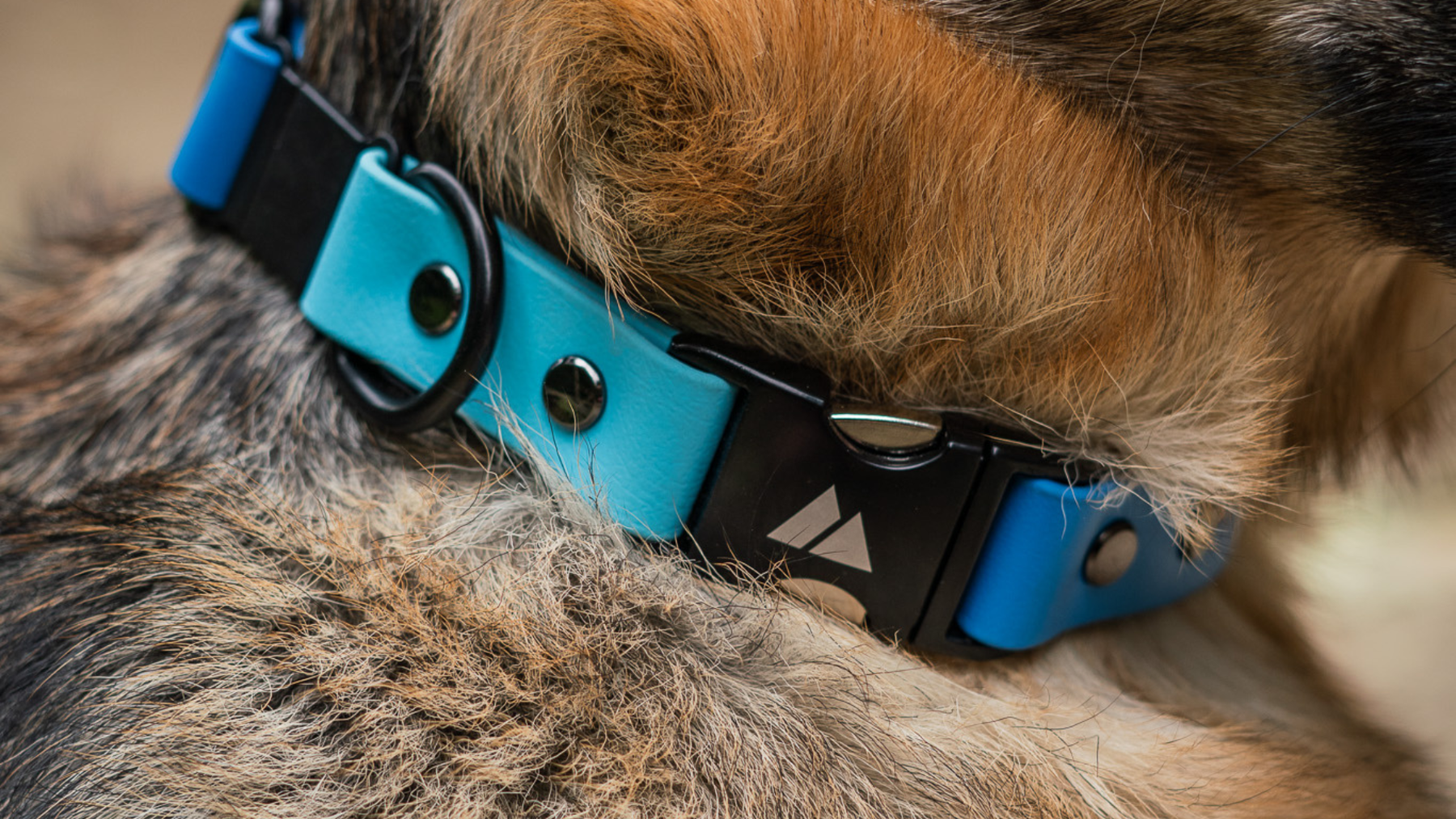
Look at buckles, tri-glides, and D-rings. Cracks, sharp edges, or gaps are a fail point. Hardware wear is a top reason to replace your dog’s collar or harness.
3) Slipping fit or stretched straps
If you tighten the straps and they still slide, the material has stretched. Dogs can back out with one pull. It is time to replace your dog’s collar or harness.
4) Rust, mold, or a sour odor
Metal parts that rust grow weak. Mold and strong odors can irritate skin and signal decay. Deep smells that do not wash out mean it is time to replace your dog’s collar or harness.
5) Skin issues under the gear
Watch for hair loss, redness, scabs, or hot spots where the straps sit. These come from rough edges, trapped moisture, or poor fit. Swap the gear and see a vet if it persists.
6) Escapes or near misses
If your dog slipped the collar or backed out of the harness once, treat it as a warning. A better design or size is needed. Replace your dog’s collar or harness and test the new fit indoors.
7) Chew damage or claw marks
Many dogs chew straps when anxious or bored. Even small bite marks weaken fibers. If you see tooth dents or jagged edges, replace your dog’s collar or harness now.
8) Body changes: growth, weight shifts, or coat changes
Puppies grow fast. Seniors may lose mass. Double coats puff in winter, then shed. If fit changes week to week, plan to replace your dog’s collar or harness more often.
9) Behavior shifts that point to discomfort
Watch for scratching at the neck, stiff strides, lagging, or refusal to walk. Some dogs freeze when the chest strap rubs. A design change can fix it. Replace your dog’s collar or harness with a style that suits their build and gait.
Real-world note: I once worked with a strong shepherd who broke an old buckle mid-crosswalk. No one was hurt, but it was close. Since then, I inspect gear before every walk and replace early. It costs less than an emergency.
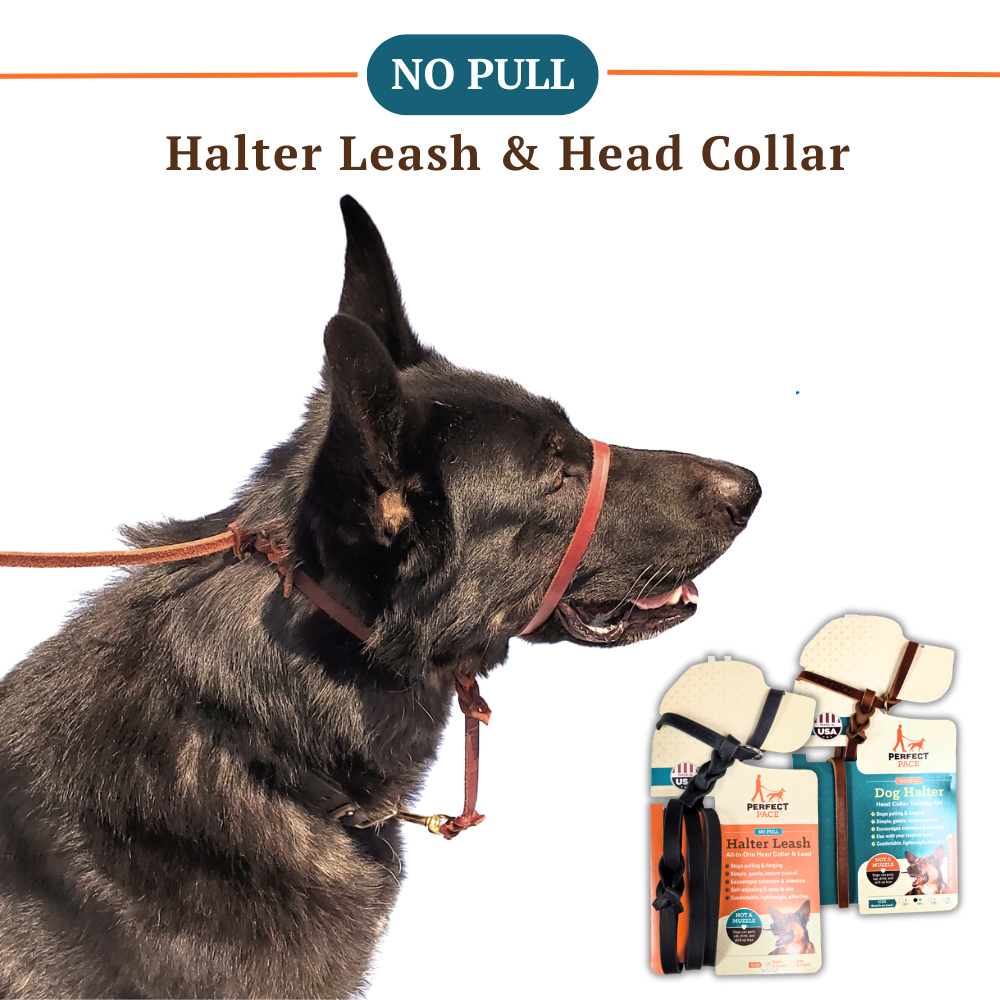
Source: boldleaddesigns.com
How Often Should You Replace Your Dog’s Collar or Harness?
There is no single date, but patterns help. Active dogs in rain, sand, or salt need more frequent swaps. Gentle house dogs can go longer.
Typical timelines:
- Nylon or polyester webbing: 6–18 months, sooner with heavy use.
- Biothane or coated webbing: 1–3 years, rinse after saltwater.
- Leather: 2–5 years with care, but replace if it cracks or dries.
- Elastic or mesh parts: 6–12 months, since stretch weakens control.
Do a monthly audit:
- Inspect webbing, stitching, and hardware.
- Check fit after grooming, weight shifts, or new coats.
- Wash, dry, and recheck friction points.
If anything fails, replace your dog’s collar or harness right away.

Source: amazon.com
How to Choose a Safe Replacement
A good replacement should fit, last, and match your dog’s needs. Use these steps to pick well.
Measure first
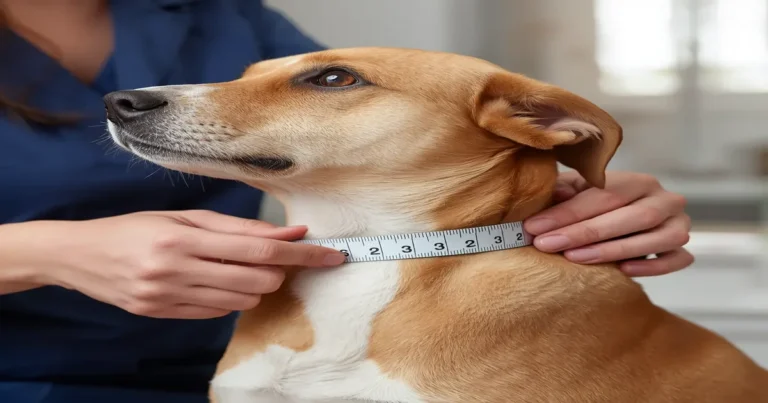
- Neck: measure where the collar sits.
- Girth: wrap the tape around the widest chest point.
- Follow brand size charts, not guesses.
Fit rules
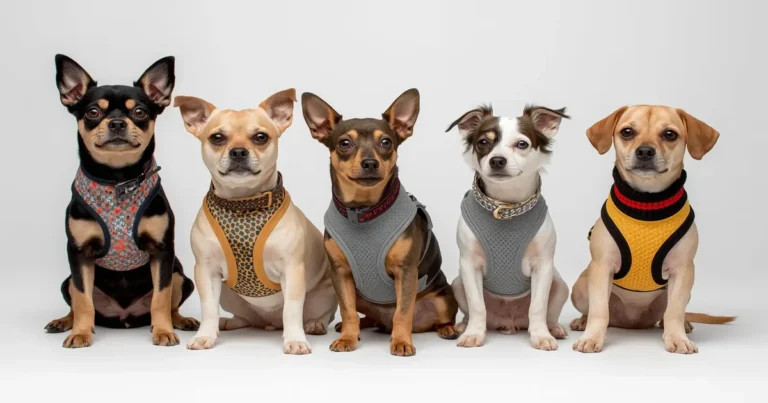
- Collar: you should slide two fingers between collar and neck.
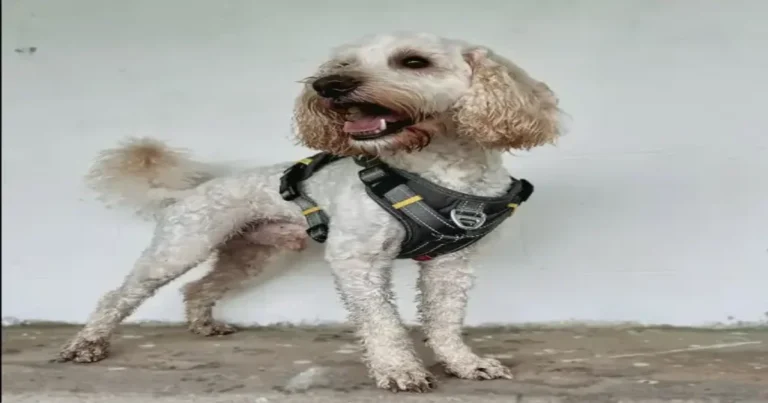
- Harness: Y-shaped front that clears the throat, straps off the armpits, and no sag on the back.
- Move, sit, and turn tests: the gear should not twist or ride up.
Design choices
- Everyday walkers: front-clip harness to reduce pulling; back-clip for calm walkers.
- Narrow-headed breeds: martingale collar for security on leash.
- Strong pullers: well-built no-pull harness with padded straps and welded D-rings.
- Night walks: reflective trim or LED features.
Materials and build
- Solid bar buckles or tested side-release buckles.
- Welded or cast D-rings, not thin split rings.
- Smooth, sealed strap edges to cut chafing.
Safety and ID
- Keep tags on a tag ring or tag silencer.
- Microchip your dog as a backup to the collar.
If your current gear misses on any of these, replace your dog’s collar or harness with one that meets the standard.
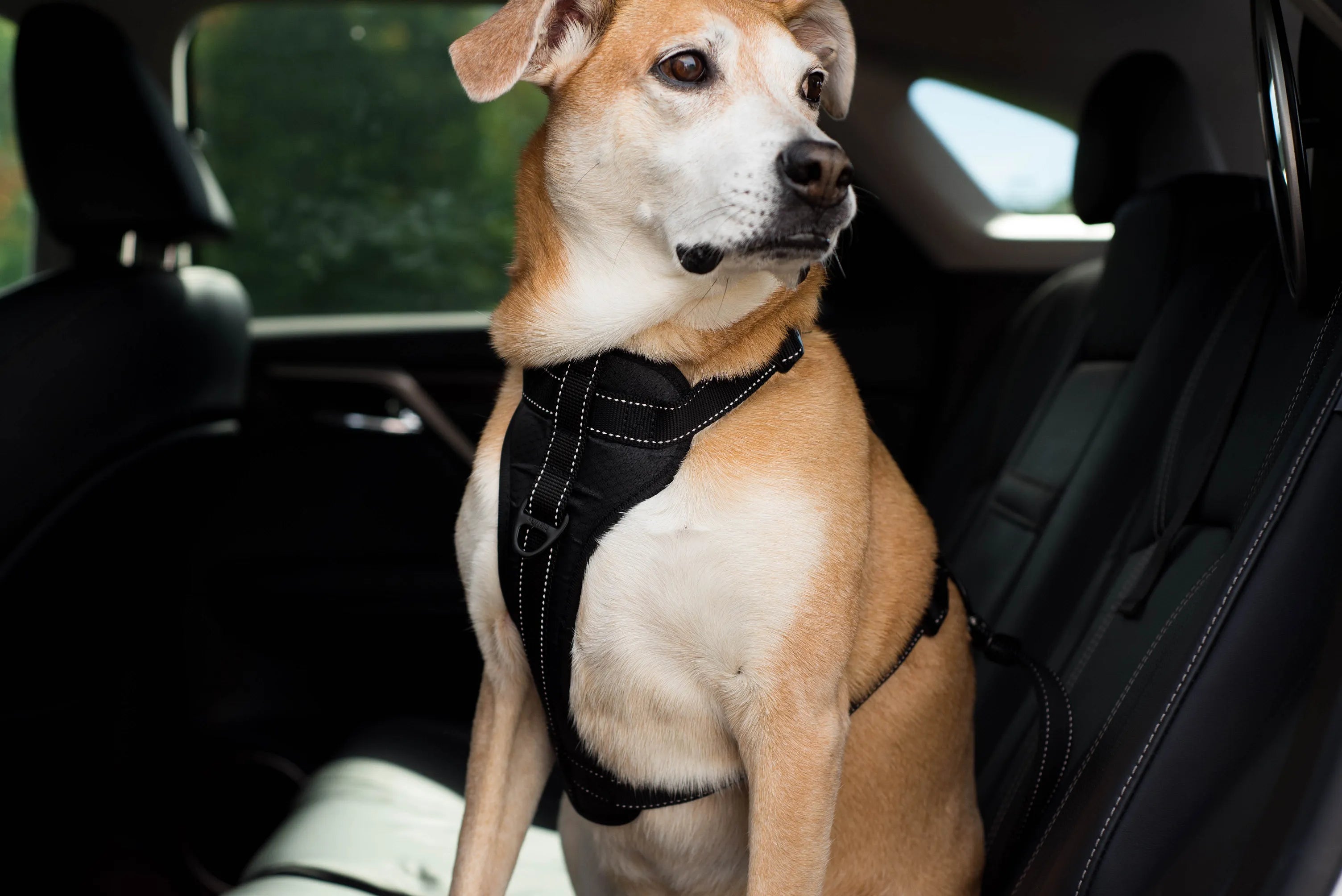
Source: mightypaw.com
Care, Cleaning, and Maintenance to Extend Gear Life
Good care delays the day you need to replace your dog’s collar or harness. It also keeps skin healthy.
Cleaning basics
- Nylon and polyester: hand wash with mild soap, rinse well, air-dry flat.
- Biothane/coated webbing: wipe with warm water, dry with a towel.
- Leather: clean, then use a leather conditioner; keep away from heat.
After messy play
- Rinse off saltwater, sand, and mud the same day.
- Dry gear fully before storage to prevent mildew.
Maintenance tips
- Check and snug all sliders monthly.
- Lubricate metal parts with a tiny drop of food-safe silicone if they stick.
- Rotate between two sets so one can dry while the other is in use.

Source: amazon.com
Special Cases: Puppies, Seniors, and Adventure Dogs
Puppies
- Expect size changes every few weeks.
- Choose adjustable gear with room to grow, but keep it snug.
- Teething pups chew; inspect daily and replace your dog’s collar or harness at the first chew marks.
Seniors
- Look for soft padding and light hardware.
- Wider straps spread pressure on fragile skin.
- Easy-on designs help sore joints.
Adventure dogs
- Hiking: use a harness with secure front and back rings and a sturdy handle.
- Water play: choose non-absorbent materials and rinse after swims.
- Winter: road salt and ice chew up fibers; clean often and replace faster.

Source: ebay.com
Safety Checks Before Every Walk
Quick pre-walk routine:
- Run fingers along straps. Feel for rough spots or cuts.
- Tug-test the D-ring and buckle.
- Confirm two-finger fit at neck and chest.
- Watch your dog move. Look for rubbing or short steps.
- Clip the leash and gently pull. If anything slips, replace your dog’s collar or harness before heading out.
This ninety-second habit prevents escapes and costly injuries. It also tells you early when to replace your dog’s collar or harness.

Source: amazon.com
Frequently Asked Questions of When Is It Time To Replace Your Dog’s Collar Or Harness? 9 Warning Signs
How tight should a dog collar be?
Use the two-finger rule. You should fit two fingers between the collar and your dog’s neck, and the collar should not slide over the head.
Is a harness safer than a collar for pulling dogs?
Yes, for most pullers a well-fitted front-clip harness reduces strain on the neck. It spreads pressure across the chest and shoulders for better control.
Can I wash a smelly collar to avoid replacing it?
Try hand washing with mild soap and full air-dry. If odor or mold returns, fibers may be compromised, and it is time to replace your dog’s collar or harness.
How do I stop my dog from slipping out of the harness?
Tighten to a proper fit and pick a Y-shaped design that clears the shoulders. For narrow heads or deep chests, match the design to the breed’s build.
How many collars or harnesses should I keep?
Keep at least two sets. Rotate them to dry between uses and have a backup if one fails or gets soaked.
Do leather collars last longer than nylon?
They can with good care, but both wear out over time. Replace your dog’s collar or harness when you see cracks, stretch, or hardware wear.
Should my dog wear a collar at home?
If crating or rough playing, remove it to prevent snags. For escape risks, use quick-release options and keep ID on at all times.
Conclusion
Small issues in dog gear grow fast. Frayed straps, loose buckles, bad fit, and skin rubs are all clear signs it is time to replace your dog’s collar or harness. Choose the right design, measure well, and do quick checks before every walk.
Take five minutes today to inspect your dog’s gear. If anything feels off, replace your dog’s collar or harness and enjoy safer, happier walks. Want more fit tips and product picks? Subscribe, share your questions, or leave a comment with your dog’s breed and activity level.