What To Do If Your Dog Throws Up In The Car: Best Guide In 2026
Pull over, keep your dog safe, clean up fast, then plan prevention.
You found this because you need calm, clear steps that work right now. In this What To Do If Your Dog Throws Up In The Car: Complete Guide 2026, I walk you through the why, the how, and the fix. You will learn what to do in the moment, how to keep your dog safe, and how to stop it from happening again. I blend hands-on experience with vet-backed methods so you can act with confidence today.
What’s Happening When Your Dog Throws Up In The Car
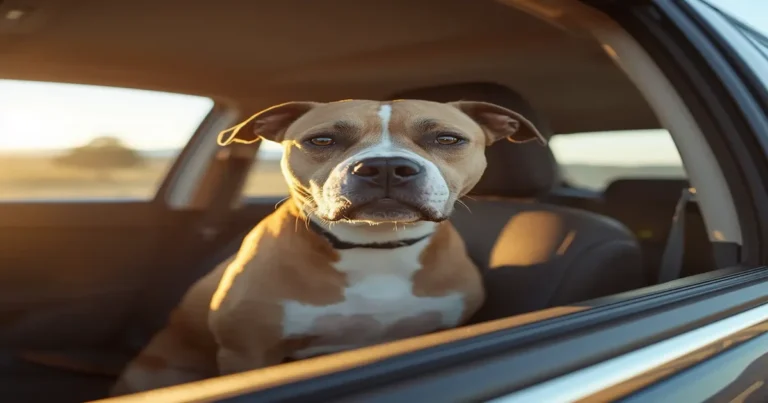
Car sickness in dogs is common. It can be motion sickness, stress, or both. Puppies get it more because their inner ear is still growing. Many grow out of it. Some do not.
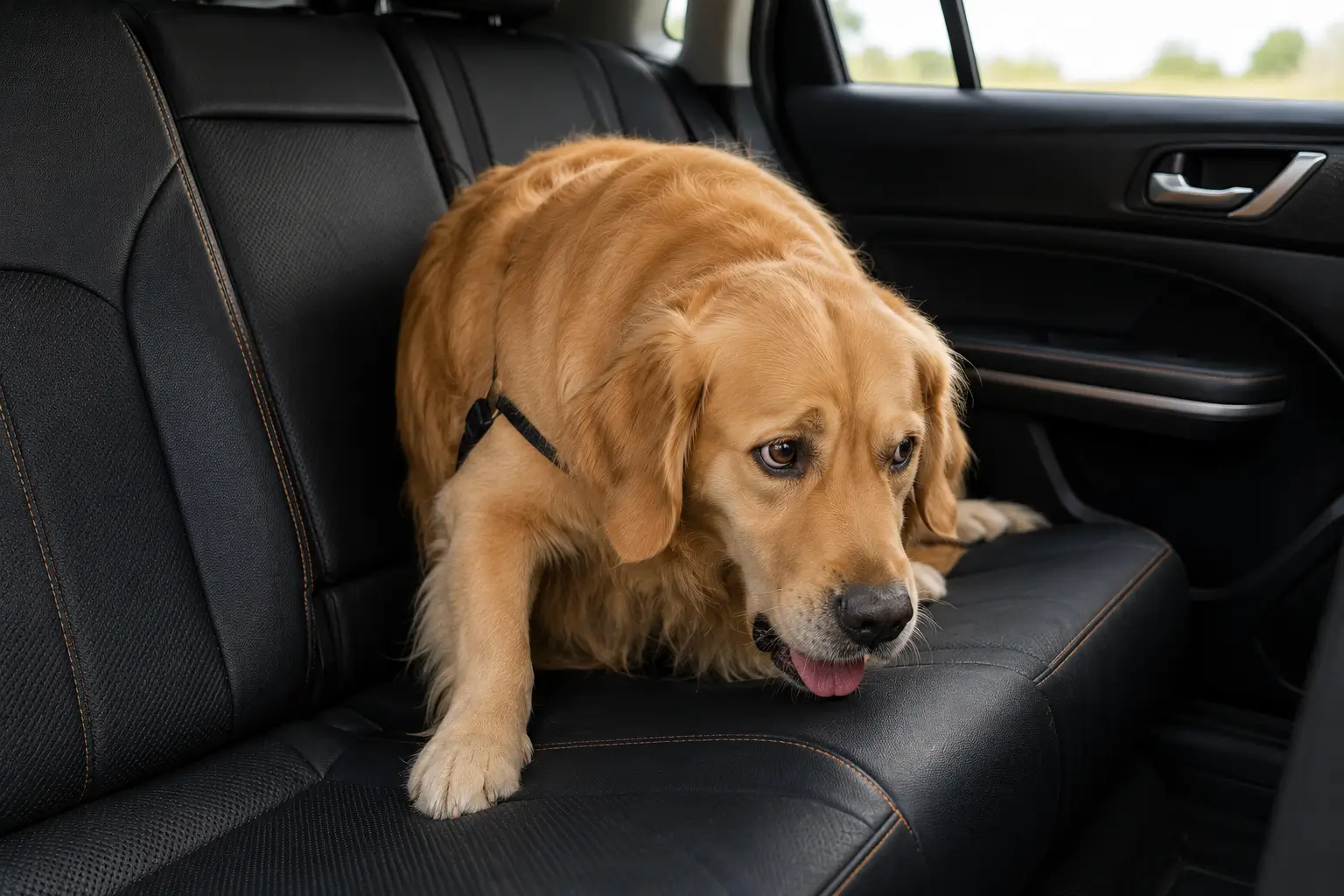
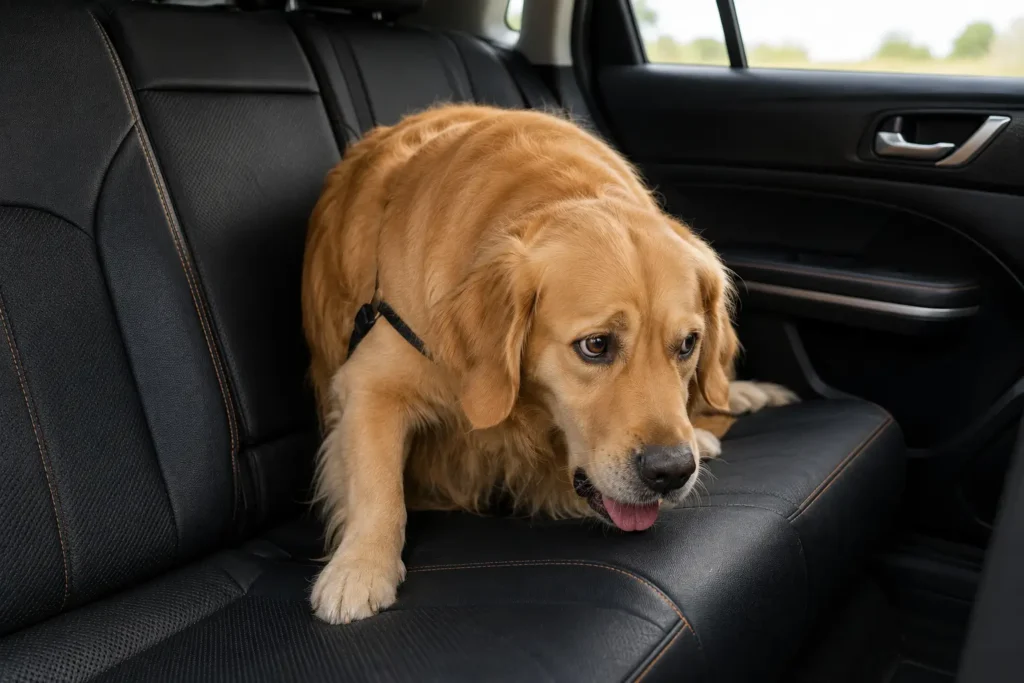
Nausea hits fast. You may see drool, yawns, lip licking, or whining. Your dog may pace or freeze. Then the vomit comes, and the mess starts.
This What To Do If Your Dog Throws Up In The Car: Complete Guide 2026 gives you a clear plan. We will cover safety, cleanup, and strong prevention. You can make car rides calm again.
Immediate Steps: What To Do Right Now
Act fast, but stay calm. Your dog takes cues from you.
- Pull over when safe. Hazard lights on. Windows cracked for fresh air.
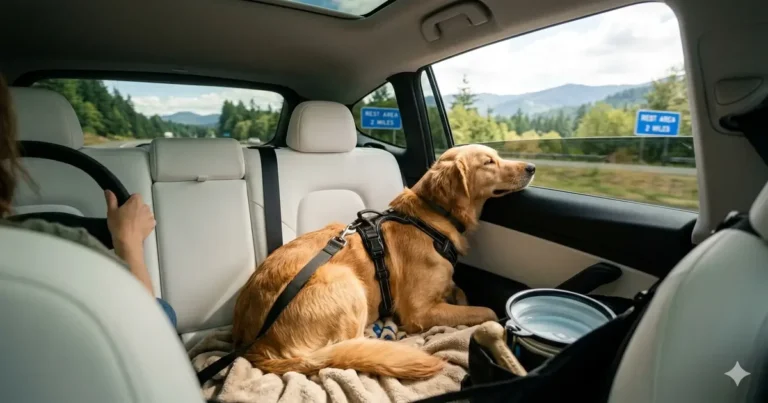
- Secure your dog. Use a crash-tested harness or a crate. It stops sliding and stress.
- Comfort without coddling. Speak low and slow. Do not punish. Your dog is not “being bad.”
- Offer a small sip of water. Not much. Wait 10–15 minutes before more water.
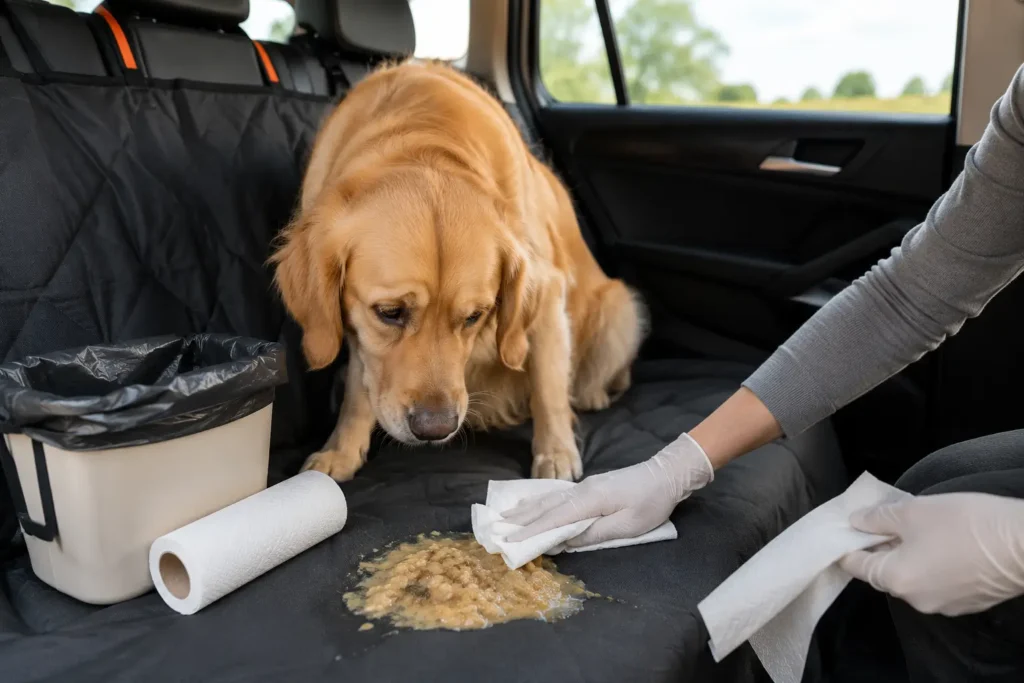
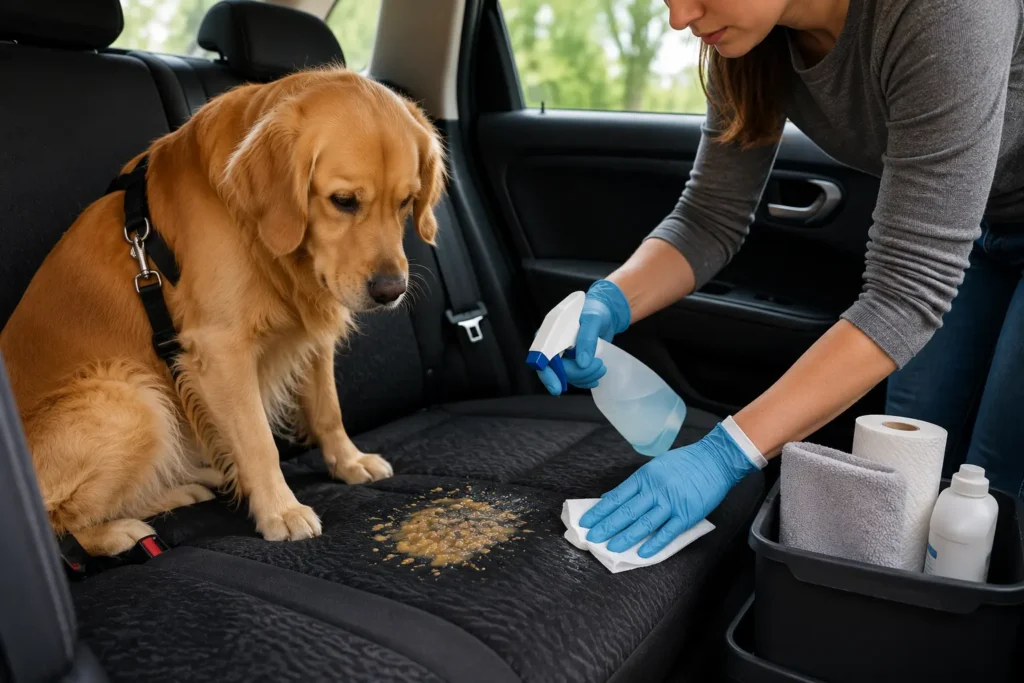
- Clean the area. Use paper towels first. Bag the waste to cut smell and germs.
- Vent the car. Warm, stale air makes nausea worse. Cool, steady air helps.
- Reset the ride. If your dog still looks ill, end the trip if you can.
From my own trips with a rescue Beagle, a two-minute stop with air and quiet did more than any spray. This What To Do If Your Dog Throws Up In The Car: Complete Guide 2026 builds on small, proven steps like these.
Red Flags: When To Call Your Vet
Most cases pass fast. Some do not. Watch for danger signs.
- Vomit with blood or coffee-ground bits
- Repeated vomiting for more than 24 hours
- Hard belly, weak stance, or collapse
- White gums, fast breath, or shaking
- Lethargy or no interest in food or water
Call your vet if you see any of these. Bring details: when it started, what your dog ate, and how many times they threw up. This What To Do If Your Dog Throws Up In The Car: Complete Guide 2026 is not a vet exam. It helps you know when to seek care.
Why Dogs Get Car Sick: Root Causes And Triggers
Motion sickness happens when the eyes and inner ear do not agree. The brain reads mixed signals. Nausea follows. Stress can make that worse. Some dogs link the car to vet visits, noise, or bad roads.
Common triggers to check:
- Motion and speed. Tight turns and stop-and-go are hard.
- Anxiety. Past bad rides set a fear loop.
- Smell and heat. Strong scents and warm air can tip the stomach.
- Feeding time. Big meals right before travel add risk.
- Medical issues. Ear problems, GI disease, or meds can play a role.
In this What To Do If Your Dog Throws Up In The Car: Complete Guide 2026, we address each trigger with clear fixes, from setup to training.
Prevention Plan For Your Next Trip
Small changes add up. Use this list before every ride.
- Time food. Feed a light meal 3–4 hours before you go.
- Air flow. Keep the car cool with steady air across the crate or seat.
- Seat choice. Many dogs do best in the back seat facing forward.
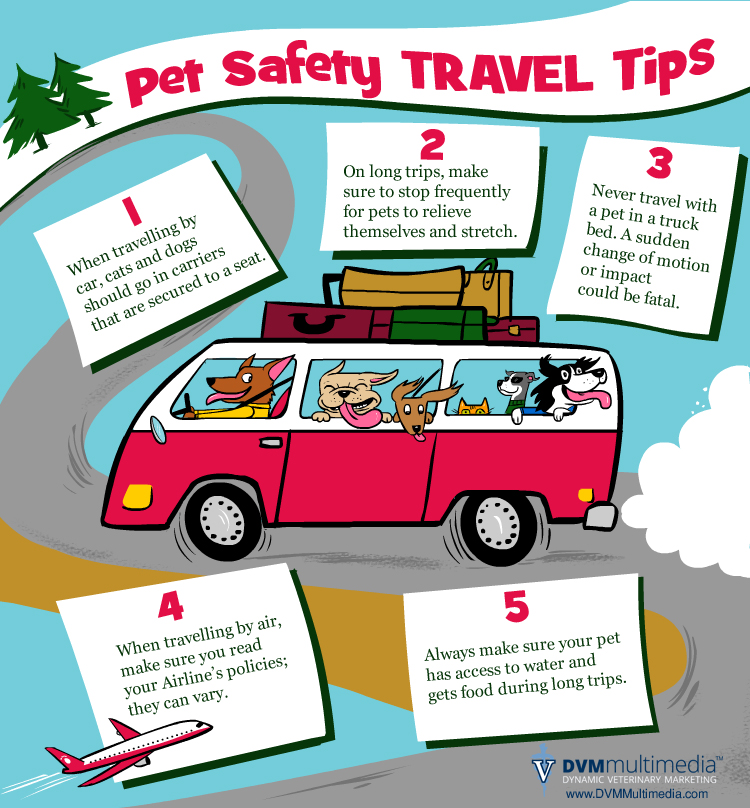
- Breaks. Stop every 60–90 minutes for water and a short walk.
- Scents. Skip perfume, smoke, and strong cleaners on travel day.
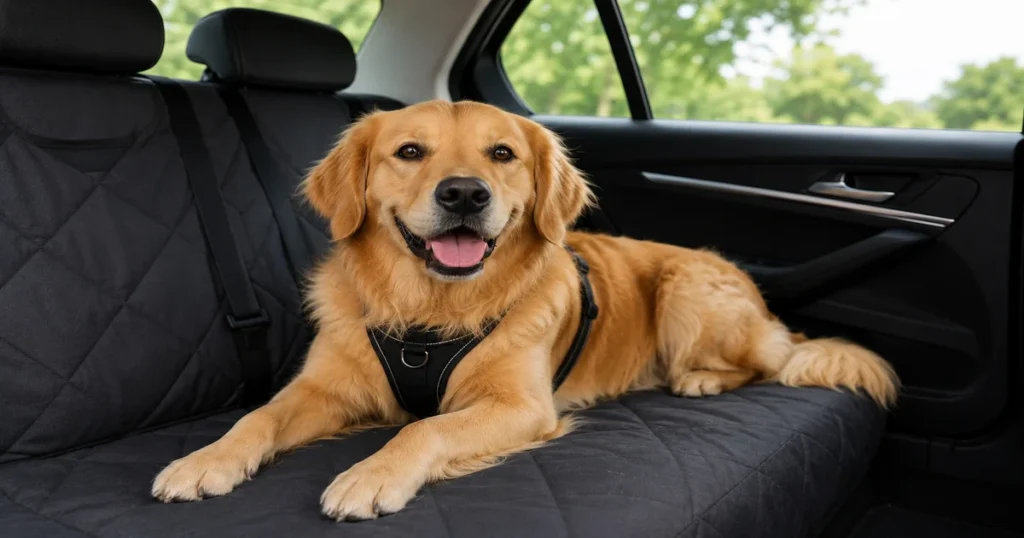
- Cover the seat. Use a washable cover or crate pad.
This What To Do If Your Dog Throws Up In The Car: Complete Guide 2026 aims for easy wins first. Most owners see gains in one to two trips.
Training For Calm Rides: Desensitization That Works
You can retrain the travel story. Go slow and make the car pay.
Week 1: Car equals rewards
- Sit in the parked car. Give treats. No engine yet.
- Short, fun sessions. End before stress shows.
Week 2: Add sound, then tiny moves
- Start the engine. Treat. Turn it off. Repeat.
- Drive to the end of the block. Treat. Go home.
Week 3: Build time and new places
- Add five minutes per day if your dog stays calm.
- Mix routes. End at a park, not just the vet.
Tips from my work with anxious Shepherds:
- Use high-value food your dog loves.
- Track signs. If yawns or drool start, you went too fast.
- Pair a comfort mat or shirt with your scent.
With this What To Do If Your Dog Throws Up In The Car: Complete Guide 2026 plan, most dogs improve in two to four weeks.
Vet-Approved Medications And Natural Aids
Talk to your vet before giving any drug. Many safe options exist.
Common vet-prescribed choices:
- Maropitant. Blocks nausea. Often first-line for travel.
- Meclizine or dimenhydrinate. Helps motion sickness in some dogs.
- Ondansetron. Sometimes used for stubborn nausea.
- Anti-anxiety meds. For dogs whose main trigger is fear.
Supportive options to discuss:
- Ginger. Some dogs do well with small, vet-guided doses.
- Pressure wraps. Gentle body pressure can calm nerves.
- Pheromone sprays. Dog-appeasing scents may lower stress.
In this What To Do If Your Dog Throws Up In The Car: Complete Guide 2026, we mix behavior and medicine. That combo is often best.
Set Up Your Car For Success
Your car layout matters more than you think.
- Use a crash-tested harness or a sturdy crate. Less sway, less sickness.
- Face forward. Many dogs do better when looking ahead.
- Lower the window a bit. Fresh air helps balance.
- Stable base. Put a non-slip mat under the crate or bed.
- Sun and shade. Keep sun off your dog’s face and crate.
I learned on a long desert haul that shade and air did the heavy lift. This What To Do If Your Dog Throws Up In The Car: Complete Guide 2026 keeps setup simple and safe.
Feeding And Hydration Timing
Food and water strategy can make or break the ride.
- Light, bland meal 3–4 hours before you go.
- Offer small water sips at stops. Not a full bowl at once.
- Skip rich treats in the car. Use tiny, easy-to-digest bites.
- After a vomit, wait 30–60 minutes before offering more water or bland food.
This What To Do If Your Dog Throws Up In The Car: Complete Guide 2026 favors simple, steady intake. Your dog’s belly will thank you.
Cleaning And Odor Removal Guide
Fast, proper cleanup stops stains and smells.
- Blot first. Lift solids and liquid with paper towels.
- Enzyme cleaner. It breaks down proteins that cause odor.
- Rinse with cool water. Hot water can set stains.
- Dry well. Use absorbent towels and air flow.
- For fabric seats. Enzyme, rinse, blot, repeat. Test a small spot first.
- For leather. Wipe with a damp cloth, then a leather-safe cleaner.
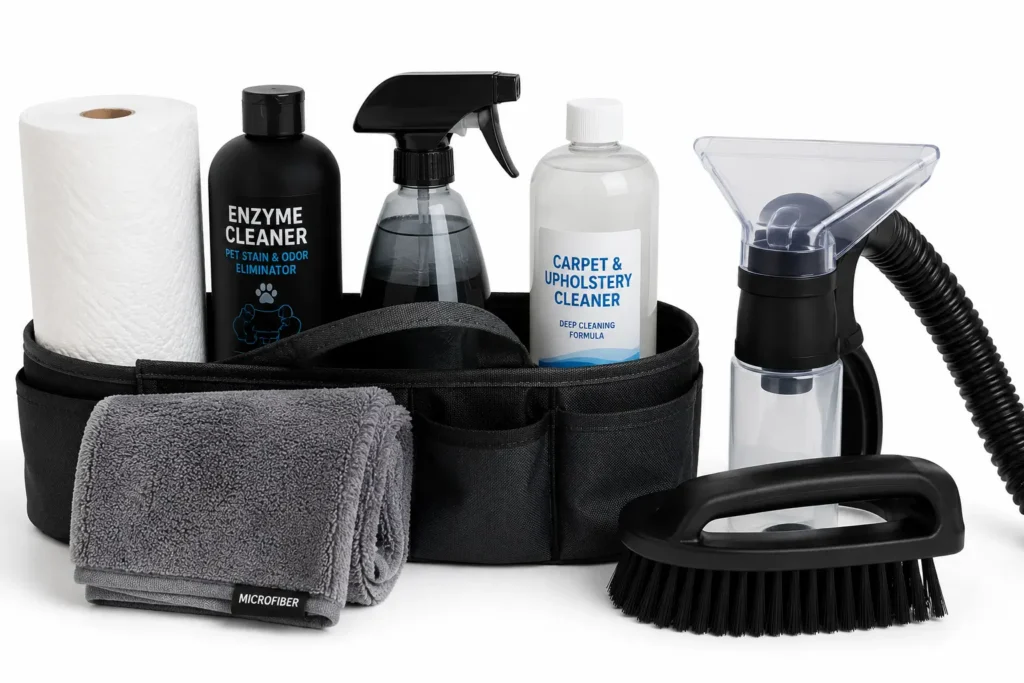
I keep a small “uh-oh” kit in my trunk: gloves, bags, paper towels, enzyme spray, and a spare cover. This What To Do If Your Dog Throws Up In The Car: Complete Guide 2026 suggests you do the same.
Travel Checklist For Dog Owners In 2026
Pack smart so you can act fast.
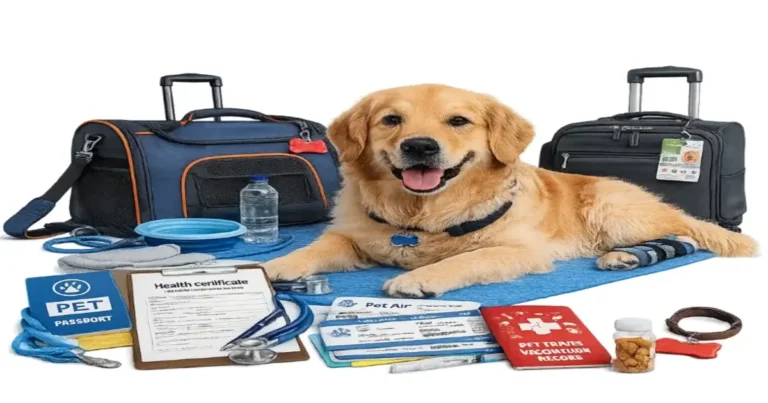
- Vet-approved meds and dosing note
- Enzyme cleaner, paper towels, gloves, bags
- Crash-tested harness or crate, non-slip mat
- Water, collapsible bowl, bland treats
- Extra leash, wipes, spare seat cover
- Copy of vaccine records and your vet’s number
Check this list before wheels roll. With this What To Do If Your Dog Throws Up In The Car: Complete Guide 2026, you are ready for the road.
Frequently Asked Questions of What To Do If Your Dog Throws Up In The Car: Complete Guide 2026
Should I feed my dog before a car ride?
Give a small, bland meal 3–4 hours before you go. Avoid heavy, fatty food or big portions right before the trip.
Can I crack the window if my dog gets carsick?
Yes, a slight window crack helps steady airflow and can reduce nausea. Keep your dog secured so they cannot lean out.
Which seat is best for a carsick dog?
The back seat, facing forward, is often best for stability and safety. A secured crate or harness limits sway and stress.
Do anti-nausea medications work for dogs?
Many dogs do well with vet-prescribed meds like maropitant or meclizine. Your vet will pick the right option and dose.
How can I train my dog to like the car?
Use slow steps with treats, starting in a parked car and building short drives. End rides at fun places to change the story.
Is vomiting in the car a sign of a serious health issue?
Usually it is motion sickness or stress. If vomiting is frequent, has blood, or your dog seems weak, call your vet.
What cleaning product should I use after my dog throws up?
Use an enzyme-based cleaner to break down proteins and remove odors. Test on a small spot before a full clean.
Conclusion
A calm plan beats panic. Pull over, secure your dog, clean fast, and watch for red flags. Then fix the root cause with setup, timing, training, and, if needed, vet meds. Step by step, car rides can become easy again.
Start with one change today. Pack a small kit, time your dog’s meal, and try a short, happy drive. Want more guides like this? Subscribe, share your story in the comments, and help another dog have a better ride.