Flying With A Dog For The First Time: 2026 Best Gear Guide
Most first-time dog flights go smoothly with the right prep and gear.
Flying with a dog for the first time can feel big, but it does not need to be hard. I help pet parents plan safe trips and pick smart tools that work in real life. In this guide on Flying With A Dog For The First Time: Essential Gear And Tips, I share proven steps, expert-backed rules, and my own lessons from flying with anxious and easygoing pups. Read on to feel calm, avoid costly errors, and make your dog’s first flight a safe, kind experience.

Know the rules: airline policies, health records, and paperwork
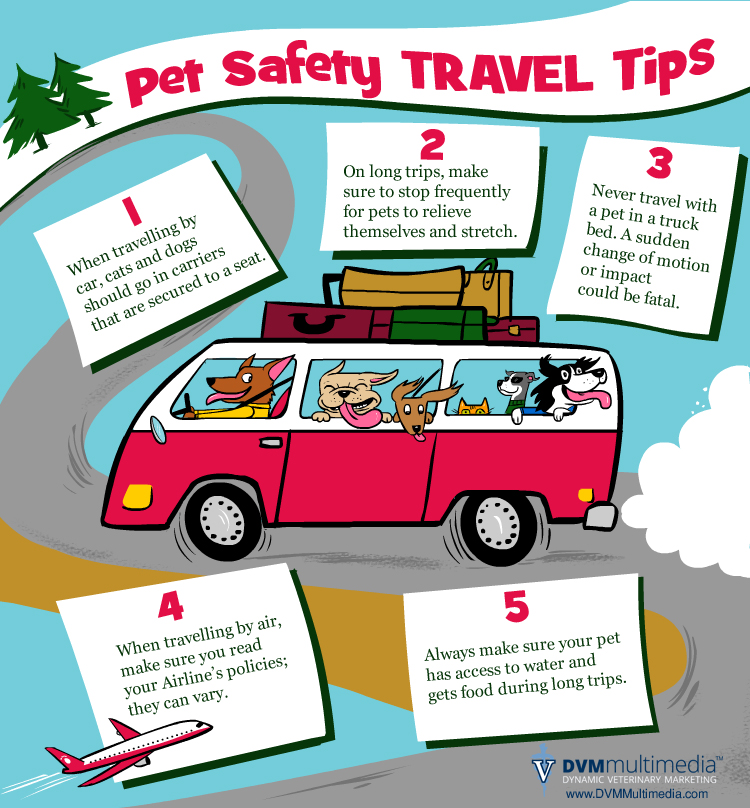
Before you buy gear, learn the rules. Flying With A Dog For The First Time: Essential Gear And Tips starts with policy checks, because airlines set size limits, carrier rules, and pet fees. Most domestic carriers allow small dogs in the cabin if they fit under the seat in an airline-approved carrier. Larger dogs may need to fly as checked or cargo, subject to breed and temperature limits.
What to do first:
- Check your airline’s pet page for carrier size, pet fee, and route limits.
- Call to confirm if your plane type can take pets in cabin on your dates.
- Ask about embargoes for heat or cold, and direct-flight options.
Health and documents to prepare:
- Current vaccinations and a recent exam. Many airlines ask for a health certificate within 10 days.
- Rabies certificate and proof of microchip for international trips.
- Country or state entry rules, including import forms and quarantine, if any.
Expert note: Sedation is risky at altitude. Most vets and aviation groups advise against sedating healthy dogs for flights. Discuss well in advance if your dog has severe anxiety.

Pick the right carrier: sizing, ventilation, and comfort
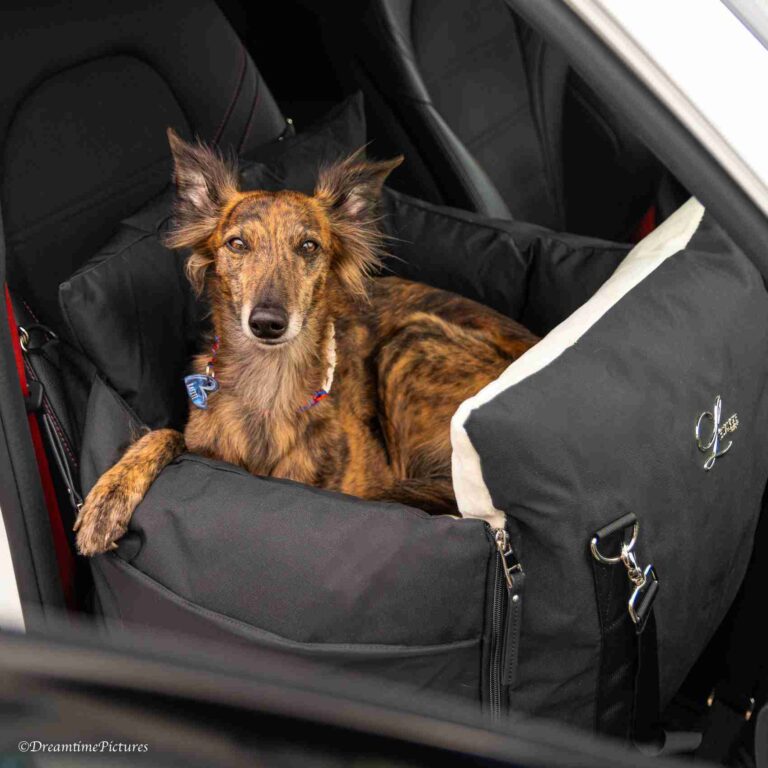
Choosing the carrier is the core of Flying With A Dog For The First Time: Essential Gear And Tips. A good carrier keeps your dog safe, quiet, and cool. The wrong one leads to stress for you and your dog.
How to size it:
- Your dog should stand up, turn around, and lie down without hunching.
- Measure nose to base of tail and floor to top of head or ears.
- Match your airline’s maximum under-seat dimensions for soft-sided carriers.
Features that matter:
- Rigid but flexible frame so it slides under the seat yet holds shape.
- Three or more mesh panels for airflow and visibility.
- Lockable zippers to prevent escapes.
- A removable, washable pad with absorbency.
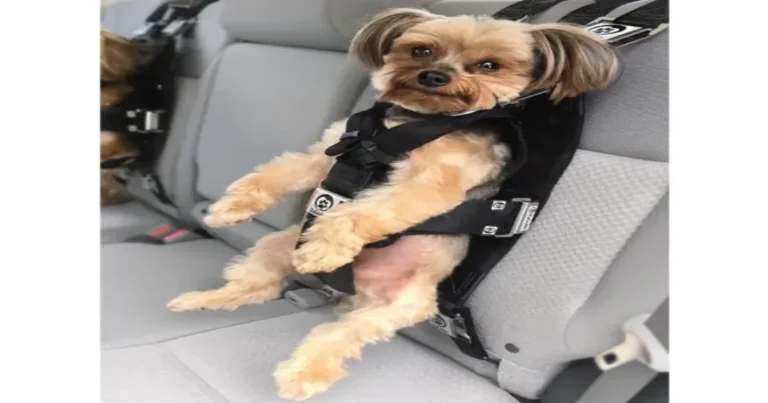
- A tether clip for a well-fitted harness.
Personal tip: My 18-pound terrier mix flew calmer in a soft carrier with side entrances and a top-loading zip. Top loading made TSA screening and in-flight checks much easier.

Essential packing list: what to bring and why it matters
This section is the heart of Flying With A Dog For The First Time: Essential Gear And Tips. Pack light but smart. Each item below solves a real in-flight need.
Core gear:
- Airline-approved carrier with ID tag on the outside.
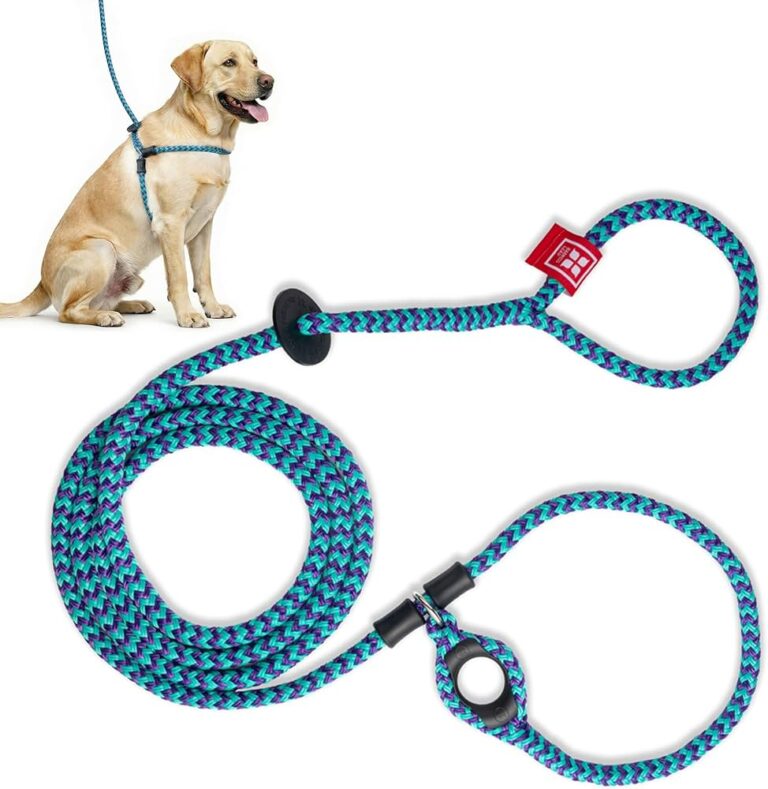
- Flat, escape-proof harness and a sturdy, short leash.
- Collapsible water bowl and a small, spill-proof water bottle.
- Two pee pads, pet-safe wipes, and a waste bag roll.
- A thin blanket or T-shirt that smells like home.
- A favorite chew or lick mat to ease stress during takeoff and landing.
- Pre-measured food in sealed bags and a small treat pouch.
- A portable fan or cooling mat for hot airports, if allowed.
- A small first-aid kit with vet-approved meds and a copy of records.
- A Bluetooth or microchip-compatible tracker on collar or carrier.
Nice-to-haves:
- Pheromone spray or wipes on the carrier bedding 15 minutes before use.
- A quiet, non-squeak toy.
- A light rain cover for outdoor relief areas.
What not to bring:
- Bulky bowls, huge food bags, or strong-smelling treats.
- Metal bowls for TSA, which can slow screening.
- New chews that might upset the stomach.

Source: bearfoottheory.com
Train before you fly: desensitization that works
Training is where Flying With A Dog For The First Time: Essential Gear And Tips becomes a calm routine. Dogs handle flights better when the carrier feels normal and safe.
A two-week ramp-up:
- Days 1–3: Feed meals in the open carrier. Toss treats inside. No door closed yet.
- Days 4–7: Close the zipper for 2–5 minutes during calm moments. Reward quiet.
- Days 8–10: Carry the carrier around the block for 5–10 minutes. Reward again.
- Days 11–14: Do two 30–45 minute “mock flights” at home with white noise and the carrier under a desk to mimic the cabin.
Sound and motion practice:
- Play airport sounds at a low volume while you reward calm, then raise volume slowly.
- Take short car rides with the carrier secured, to simulate vibration and motion.
Mistake to avoid: Rushing the process. Short, positive reps build trust far better than one long, stressful session.

Day-of-travel game plan: a calm, step-by-step timeline
A clear plan anchors Flying With A Dog For The First Time: Essential Gear And Tips. Dogs sense your stress. A simple timeline helps you both stay steady.
Six to eight hours before:
- Feed a light meal. Avoid rich foods.
- Walk or play to take the edge off energy.
Three hours before:
- Offer water. Limit big gulps.
- Pack final items, snap photos of all documents, and attach ID.
At the airport:
- Check in early. Confirm your pet’s seat space with the gate agent.
- Use a pet relief area right before security and again near the gate.
- At TSA, you carry your dog through the scanner while the empty carrier goes on the belt. Ask for a private room if your dog is flighty.
Boarding:
- Pre-board if allowed. Slide the carrier under the seat with mesh facing open air.
- Offer a chew during takeoff and landing to help ear pressure.
Personal note: On my first cross-country flight, I forgot a collapsible bowl and had to improvise with a clean coffee cup. Now I clip a tiny bowl to the carrier so I can’t forget it.

In-flight care and after landing: keep stress low
Good in-flight habits are key in Flying With A Dog For The First Time: Essential Gear And Tips. Keep routines simple and calm.
During the flight:
- Keep the carrier closed as required. Slip fingers through mesh to reassure, not to fuss.
- Offer small sips of water every 60–90 minutes.
- Use a soft whisper, not eye contact every minute, to prevent over-arousal.
After landing:
- Exit, find a relief area, and let your dog decompress.
- Check paws and nose for dryness. Offer water and a small snack.
- Watch for delayed stress signs like heavy panting or loose stool. Rest and routine fix most mild issues.

Source: tripadvisor.com
Safety, health, and legal checks you should not skip
Safety is central in Flying With A Dog For The First Time: Essential Gear And Tips. Airlines and vets outline clear best practices that reduce risk.
Key safety points:
- Avoid sedation unless your vet deems it medically needed. Altitude can change how drugs work.
- Use a harness inside the carrier tether to prevent sudden lunges.
- Choose direct flights and mild weather times when possible.
- For snub-nosed breeds, ask your vet about extra risks and cooling steps.
Legal and policy notes:
- Some regions require specific forms or a waiting period after rabies shots.
- Service animals follow different rules, but they still need behavior fit for public spaces.
- Emotional support animals no longer qualify as service animals on most US airlines.
Source: orvis.com
&qlt=85&resMode=sharp2&op_usm=1.75,0.3,2,0)
Budget and hidden costs: plan for the full price
Money matters in Flying With A Dog For The First Time: Essential Gear And Tips. Budgets avoid last-minute shock.
Typical costs:
- Airline pet fee each way for cabin pets.
- Vet visit and health certificate.
- Carrier, bowls, pads, and wipes.
- Airport parking or rideshare, often longer when traveling with pets.
Hidden costs:
- Last-minute seat changes to secure under-seat space.
- Extra time buffers, which may add meal or lounge costs.
- Replacement gear if something breaks at the airport.

Source: nytimes.com
Common mistakes to avoid on your first flight
Learning from others is part of Flying With A Dog For The First Time: Essential Gear And Tips. These slips are easy to fix.
Frequent errors:
- Buying a carrier that meets dog size but not airline dimensions.
- Skipping practice time in the carrier.
- Overfeeding before the flight.
- Forgetting ID on the carrier and harness.
- Arriving late and losing pre-boarding benefits.
- Ignoring temperature limits on the day of travel.
Preflight checklist you can copy and save
Checklists make Flying With A Dog For The First Time: Essential Gear And Tips easier. Use this simple list on packing day.
Documents and admin:
- Health certificate, vaccination proof, and ID tags.
- Airline confirmation of pet reservation and seat details.
- Vet contact and emergency clinic info at destination.
Gear:
- Approved carrier with bed and tether.
- Harness, leash, bowl, water, food, treats, wipes, pads, bags.
- Comfort item, quiet chew, and a small first-aid kit.
- Tracker on collar or carrier.
Day-of steps:
- Light meal, exercise, and water.
- Relief stop before security and before boarding.
- Calm boarding, chew for takeoff, small sips of water in flight.
Frequently Asked Questions of Flying With A Dog For The First Time: Essential Gear And Tips
Can my dog fly in the cabin?
Most airlines allow small dogs in carriers that fit under the seat. Call to confirm size rules and pet quotas for your exact flight.
Do I need a health certificate?
Many airlines require a recent health certificate for pets. International trips also need rabies proof and country-specific forms.
Should I sedate my dog for the flight?
Sedation can be risky due to altitude and temperature changes. Speak with your vet about safer options like training and pheromone aids.
How can I help my dog’s ears during takeoff and landing?
Offer a safe chew or lick mat to promote swallowing. This helps equalize pressure and reduces discomfort.
What if my dog has an accident in the carrier?
Use an absorbent pad and carry pet-safe wipes and waste bags. Clean quietly and replace the pad to keep odors and stress low.
Can I feed my dog during the flight?
Feed a light meal several hours before boarding and small snacks only if needed. Focus on water in small sips to avoid nausea.
What carrier is best for first-time flyers?
Choose a soft-sided, airline-approved carrier with strong mesh and lockable zips. Make sure your dog can stand, turn, and lie down with ease.
Conclusion
Your first trip can be smooth when you plan, train, and pack with care. Focus on the right carrier, clear paperwork, simple comfort tools, and a calm timeline, and your dog will handle the journey well. Start now with short carrier sessions, confirm airline rules, and build your checklist so the airport day feels routine. Ready to fly with confidence? Save this guide, share it with a fellow pet parent, and subscribe for more pet travel tips.