How Often To Stop On A Road Trip With A Dog: Pro Tips In 2026
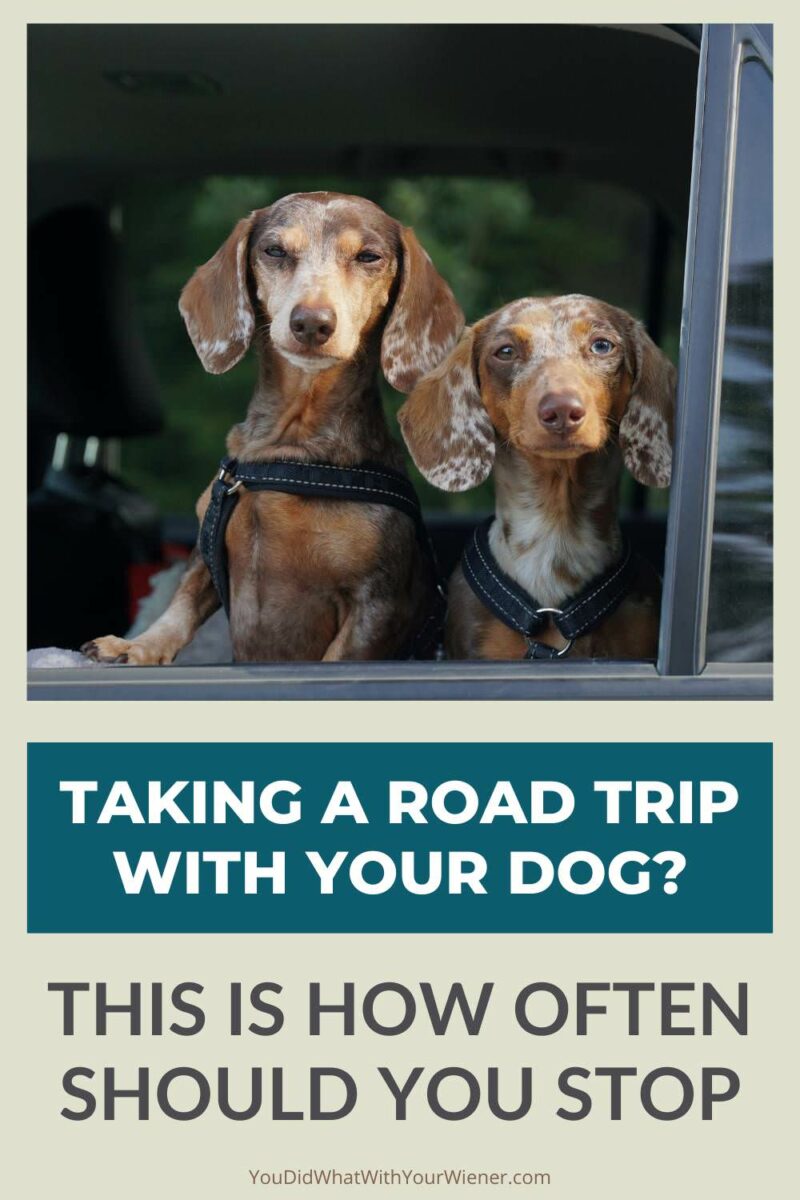
Stop every 2–3 hours for 15–30 minutes; puppies and seniors need more.
If you have asked yourself how often should you stop during a long road trip with a dog, you are not alone. I have logged thousands of miles with dogs of all ages, and the right stop rhythm can turn a hard drive into a calm cruise. In this guide, I break down expert advice, real-world routines, and safety steps so you can plan a road trip your dog will love.

Source: orvis.com
How often should you stop during a long road trip with a dog?
Aim to stop every 2–3 hours for adult, healthy dogs. Plan for 15–30 minutes per stop. Puppies, seniors, brachycephalic breeds, and anxious dogs do better with breaks every 60–90 minutes. Heat, traffic, and motion sickness also push you toward more frequent stops.
Your goal is steady hydration, safe bathroom breaks, and a reset for the brain. The longer you stretch, the more stress builds. Ask yourself how often should you stop during a long road trip with a dog before you map the first mile. This mindset sets a humane pace for the whole day.
Source: youdidwhatwithyourweiner.com
Key factors that change your stop frequency
Many details shape how often should you stop during a long road trip with a dog. Think of these as dials you can adjust on the fly.
- Age matters. Puppies have small bladders and limited control. Seniors need more chances to move and pee.
- Health and meds. Urinary issues, diabetes, pain, and diuretics mean more breaks. Talk with your vet first.
- Breed and size. Brachycephalic dogs overheat and pant fast. Giant breeds stiffen up if you wait too long.
- Heat and weather. Hot, humid days call for shorter legs and longer shade time.
- Temperament. Nervous or excitable dogs deplete energy sooner and need mental resets.
- Food and water timing. Big meals or extra water before driving may increase stop needs.

Source: libertyhonda.com
Recommended stop schedules by life stage and type
Use these as starting points, then watch your dog and adjust.
- Puppies under 6 months: Stop every 60–90 minutes. Keep breaks calm and positive.
- Healthy adults: Stop every 2–3 hours. Most dogs thrive on this cadence.
- Seniors: Stop every 90–120 minutes. Add gentle walks to keep joints loose.
- Brachycephalic breeds: Stop every 60–90 minutes, even in cool weather. Stay in shade.
- Dogs with anxiety or motion sickness: Stop every 90 minutes. Short, frequent breaks help.
- Giant breeds: Stop every 90–120 minutes. Let them stretch and change position.
These guidelines answer how often should you stop during a long road trip with a dog in a clear way. Observe, then fine-tune with your dog’s signals.

Source: ralphand.co
What to do at each stop
A good stop is more than a quick pee. Make each one count.
- Offer water. Small, frequent sips prevent tummy upset.
- Potty time. Use a familiar cue and give a few minutes to settle.
- Move the body. Walk, sniff, and do gentle figure-eights to loosen hips and back.
- Cool and calm. Find shade, crack doors for airflow, and avoid hot asphalt.
- Check comfort. Look at paws, harness fit, and signs of drool or nausea.
- Reset the setup. Re-secure crate or harness, tidy bedding, and offer a chew for the next leg.
When people ask how often should you stop during a long road trip with a dog, I also remind them that quality of the stop matters as much as the count.
Source: executivehonda.com
Planning your route and timing
Great trips start on paper. Set your rhythm before you leave.
- Map stops first. Pin rest areas, dog-friendly parks, and shaded lots near your route.
- Drive early or late. Avoid mid-day heat and heavy traffic.
- Use a light meal plan. Feed a small meal 3–4 hours before departure. Keep treats simple.
- Plan a longer lunch stop. A 30–45 minute mid-day break eases the afternoon.
- Book pet-friendly lodging. Cap total drive time to what your dog can handle well.
If your question is how often should you stop during a long road trip with a dog, slide that plan into your map app as repeating reminders.
Source: youdidwhatwithyourweiner.com
Safety and comfort between stops
Safety is non-negotiable. A calm dog is a safe dog.
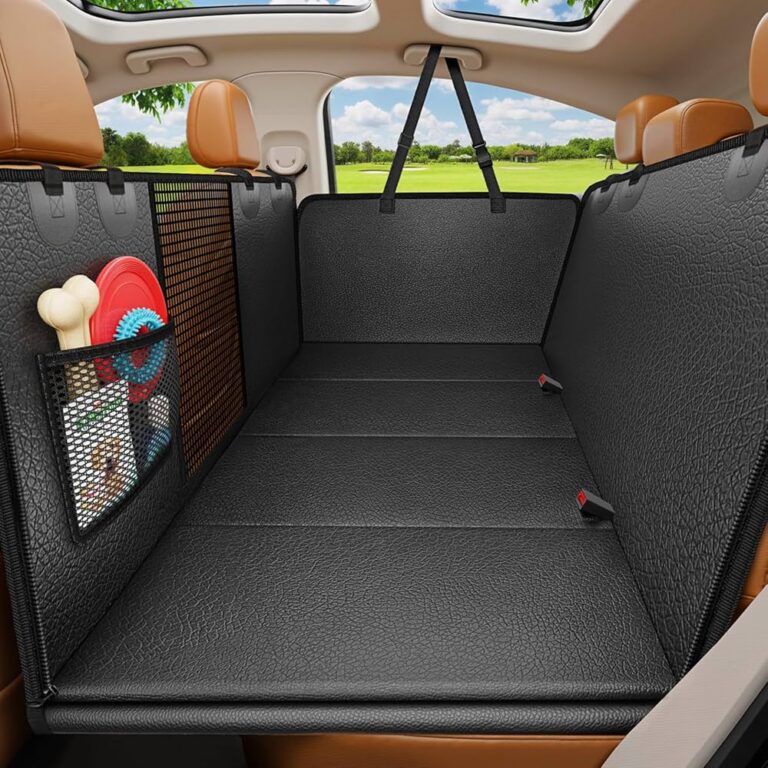
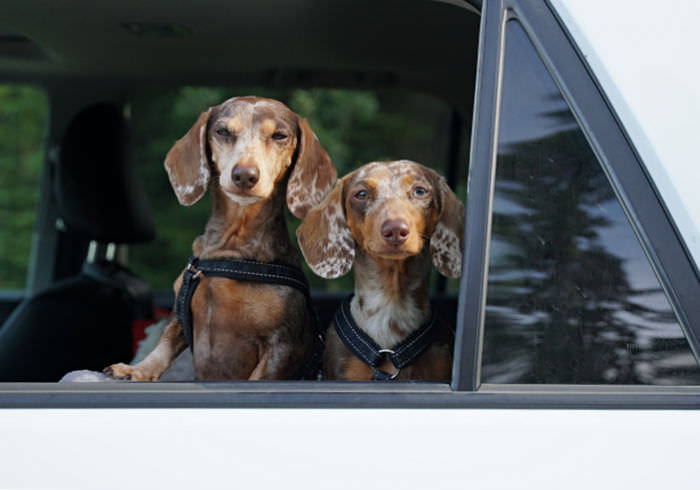
- Use a crash-tested crate or harness. Secure it to approved anchor points.
- Ventilation is key. Use AC to the back seats. Sunshades and light bedding help.
- Never leave your dog in a parked car. Even with windows cracked, cabin heat can reach dangerous levels within minutes.
- Avoid dangling heads out of windows. It risks eye injury and sudden jumps.
- Keep a calm soundtrack. White noise or soft music lowers arousal.
Veterinary and safety testing agree that restraint and airflow reduce risk. When you weigh how often should you stop during a long road trip with a dog, pair that with strong safety habits.

Source: cypressvets.com
Signs your dog needs a stop now
Read the early cues. They are small but clear.
- Restless shifts, standing up, or turning circles
- Whining, pawing, or staring at the door
- Sudden panting, drool, or lip licking
- Excessive yawning or wide-eyed looks
- Gas, burps, or gagging from nausea
If you see two or more signs, pull off soon. This real-time feedback refines how often should you stop during a long road trip with a dog, hour by hour.
Source: tenwestvet.com
Sample day plans you can copy
Here are road-tested plans you can adapt today.
- Six-hour trip, healthy adult: Drive 2 hours, stop 20 minutes. Drive 2 hours, stop 30 minutes with a short walk. Drive last 2 hours, finish with a calm decompression stroll.
- Ten-hour trip, puppy: Drive 75 minutes, stop 15–20 minutes. Repeat three more times. Add a 45-minute mid-day park break. End the day at a pet-friendly hotel, not at home late and exhausted.
- Summer drive, flat-faced breed: Drive 60–75 minutes. Stop 20–30 minutes in shade. Cool with water and airflow. Avoid mid-day stretches over 90 minutes.
These patterns are a solid answer to how often should you stop during a long road trip with a dog, tuned to real needs and seasons.

Source: vetsportsrehabco.com
Packing checklist for smooth stops
Pack like a trail guide. It reduces stress when timing matters.
- Water and two collapsible bowls
- Long and short leashes, plus a spare
- Waste bags and disinfecting wipes
- Favorite chew, lick mat, or snuffle mat
- Travel bedding or crate mat
- Meds, records, and a simple first-aid kit
- Cooling vest, sunshade, and a small fan
- Towels for mud and quick shade
- High-value treats for recall and calm
Common mistakes to avoid
Skip these pitfalls to protect your schedule and your dog’s mood.
- Pushing to the next city. Stretching stops invites accidents and nausea.
- Big meals in the car. Stick to small snacks and water sips.
- New treats on travel day. Novel foods can cause GI upset.
- Loose dogs in the cabin. Unrestrained dogs can distract and get hurt.
- Ignoring the weather. Hot days call for shorter drive legs and longer shade breaks.
- No practice runs. Do two short test drives the week before your trip.
When friends ask me how often should you stop during a long road trip with a dog, I remind them: start conservative, then extend only if the dog looks great.
My field notes and lessons learned
From my own miles with a 12-year-old Lab mix, summer stops every 90 minutes beat every 2 hours. The extra break kept her hips loose and mood bright. With a sturdy, car-loving cattle dog, 2.5-hour legs worked fine in cool weather. The lesson is simple: set a baseline, then listen to the dog, not the clock.
I have also learned to front-load the morning with a calm, long walk. That single habit makes the first two hours smooth. When motion sickness hit a young rescue, a vet-approved anti-nausea plan, small meals, and 90-minute stops solved it within two trips.
Frequently Asked Questions of How Often Should You Stop During A Long Road Trip With A Dog?
Is two hours too long between stops for most dogs?
For many healthy adults, two hours is a sweet spot. Puppies, seniors, and anxious dogs do better closer to 60–90 minutes.
How long should each stop be?
Aim for 15–30 minutes. That allows a full potty break, water, a short walk, and a calm reset.
Should I feed my dog during the drive?
Offer a small meal 3–4 hours before you start. During the drive, use light snacks only if needed to prevent an upset stomach.
How much water should my dog drink on the road?
Most dogs need about half to one ounce per pound per day. On hot days or heavy activity, offer more frequent small sips.
Can I let my dog ride unrestrained to stretch out?
No. Use a crash-tested harness or crate. Restraint protects the dog and prevents driver distraction.
What if my dog refuses to potty at rest areas?
Bring a piece of turf or a pee pad that smells like home. Walk in a quiet corner and allow extra time without pressure.
Is it safe to leave my dog in the car with windows cracked?
No. Cars heat up fast even on mild days. Always take your dog out or ensure another adult stays in a running, cooled vehicle.
Conclusion
A thoughtful stop plan is the heart of safe, happy travel with your dog. Use a 2–3 hour rhythm for most adult dogs, and shift to 60–90 minutes for puppies, seniors, heat, or stress. Watch your dog’s signals and adjust with care.
Set your route, pack smart, and treat each stop as a chance to reset. Start planning your next trip today, and share your best stop strategies or questions in the comments—I would love to help you build a road routine that works.