How To Remove Dog Hair From Car Seats: Best Guide In 2026
Rubber squeegee, light mist, and HEPA vacuum remove dog hair fast.
If pet hair has a grip on your upholstery, you are in the right place. I have spent years detailing cars for families with heavy shedders. In this How To Remove Dog Hair From Car Seats: Easy Cleaning Guide For 2026, I share proven methods, field-tested tools, and simple steps you can use today. You will learn why hair sticks, how to remove dog hair from car seats fast, and how to keep it from coming back.
:strip_icc()/bhg-dyson-car-boat-handheld-vacuum-emily-williams-13-0eb70a71873941e2af832abae87d3974.jpeg)
Source: bhg.com
Why Dog Hair Clings To Car Seats
Dog hair is fine, barbed, and charged. It clings to cloth seats with static and tangles in the fabric weave. Synthetic fibers such as polyester hold a stronger charge than cotton. That charge pins hair down.
Humidity also matters. Dry air boosts static. Hair locks in place. A light mist breaks that charge. This is why a spray bottle and rubber tools work so well to remove dog hair from car seats.
On leather or vinyl, hair does not weave in. It still sticks at seams, perforations, and stitching. Oils and dander make it worse. A clean, low-static surface helps you remove dog hair from car seats much faster.
Source: consumerreports.org
Tools You Need In 2026
These tools are affordable, easy to store, and proven in the field. I keep them in a small bin in my trunk.
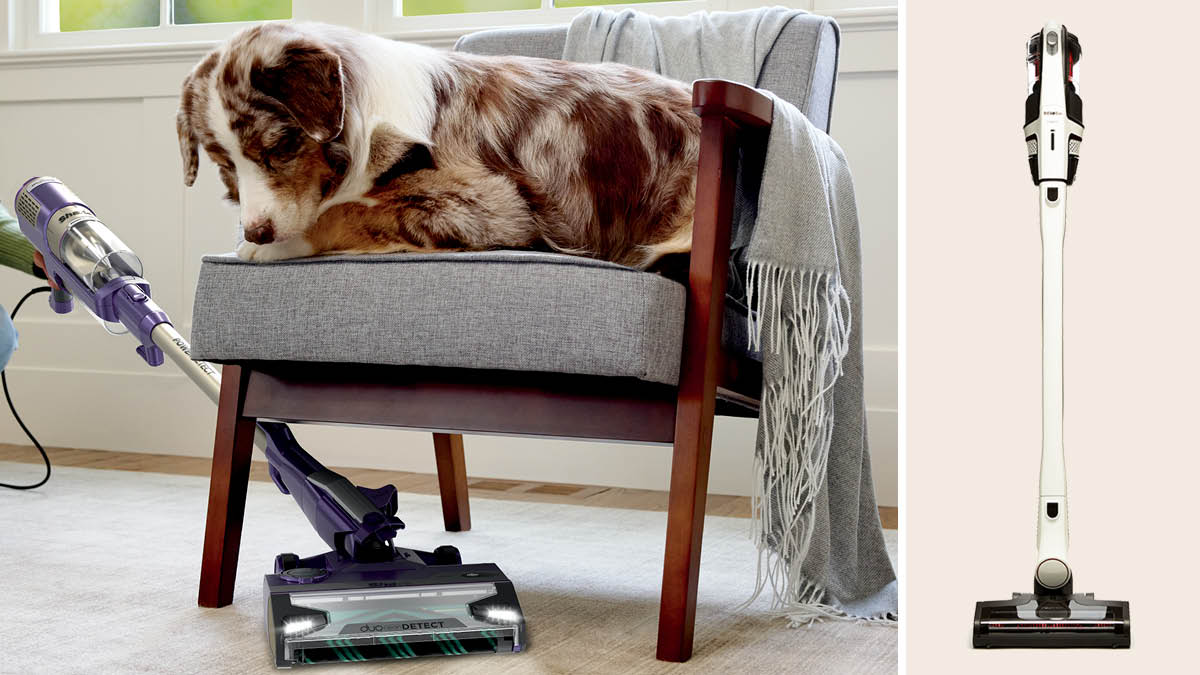
- Cordless vacuum with a pet turbo brush and a crevice tool. A HEPA filter helps trap dander.
- Rubber pet hair remover brush or rubber squeegee. Rubber creates friction that lifts hair.
- Nitrile or latex gloves. The glove trick pulls hair into clumps.
- Microfiber towels. Use plush towels for pickup and wipe down.
- Fine detailing brush. Reach seams, sliders, buckles, and stitching.
- Spray bottle with water. Add a tiny splash of fabric softener if needed.
- Anti-static spray for fabrics. Reduces re-cling after you remove dog hair from car seats.
- Lint roller or reusable silicone roller. Handy for quick pickups.
- Pumice stone or pet hair stone for trunk liners. Use with care on tough carpets only.
- Enzyme-based fabric cleaner. Targets odor and proteins from dander.
Safety tips:
- Test every tool on a hidden spot first.
- Avoid stones or hard brushes on leather, Alcantara, or delicate cloth.
- Do not soak seats. Use a light mist only.
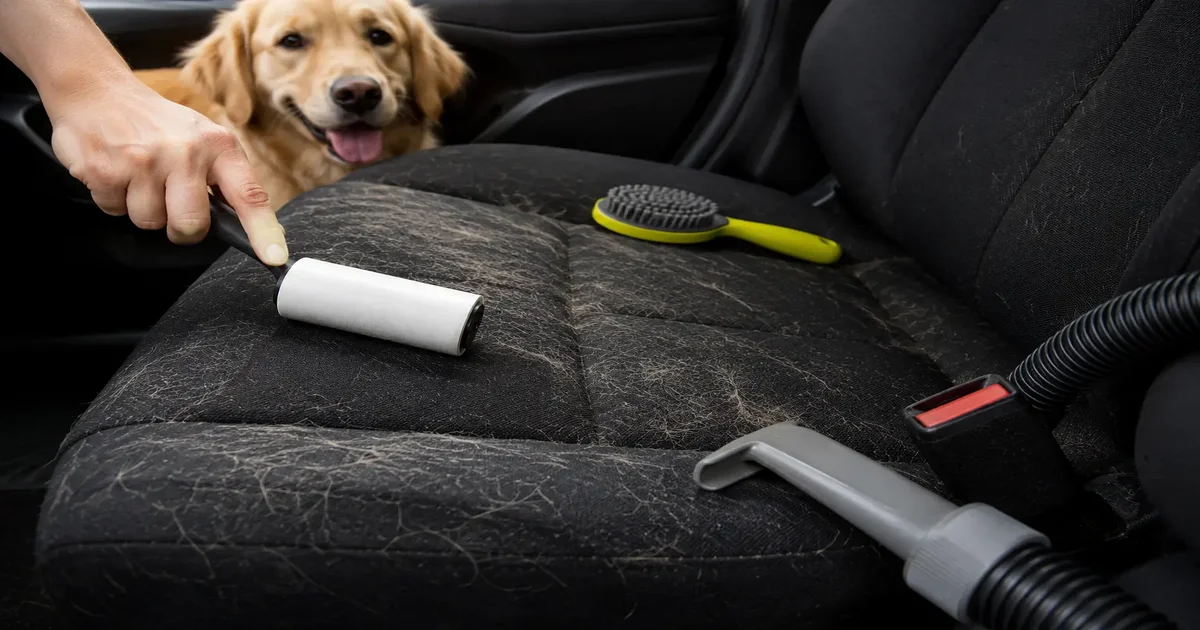
Step-By-Step: How To Remove Dog Hair From Car Seats
Follow this simple workflow. It works for both light and heavy shedding. Time needed ranges from 10 to 45 minutes.
- Prepare the area
- Open doors for light and airflow.
- Shake floor mats and blankets outside the car.
- Set your vacuum to medium suction to protect fabric.
- Break the static
- Lightly mist the seat with clean water. Do not make it wet.
- For heavy static, add one teaspoon of fabric softener to a quart of water. Wipe residues after.
- Lift hair with rubber
- Use a rubber squeegee or rubber brush.
- Pull in short strokes toward you to form clumps.
- For cloth seats, work in sections the size of a notebook.
- Use the glove trick
- Put on a nitrile glove.
- Wipe the fabric in one direction with gentle pressure.
- Hair will roll into cords. Pick it up and bin it.
- Vacuum the clumps
- Hold the crevice tool flat to the fabric.
- Vacuum seams and under seat rails.
- Add a detail brush to flick hair out of stitching.
- Target the tough spots
- Use a lint or silicone roller on bolsters and headrests.
- For trunk liners or cargo areas, a pet hair stone is safe. Use gentle strokes.
- Finish and de-static
- Do a final vacuum pass.
- Lightly mist anti-static spray and wipe with microfiber.
- This step helps you remove dog hair from car seats less often.
- Leather and vinyl note
- Skip fabric softener. Use a damp microfiber only.
- Wipe clean, then condition leather to reduce static and dryness.
Pro timing:
- Light shed: 10 to 15 minutes per row.
- Heavy shed or long hair: 30 to 45 minutes per row.
This system helps you remove dog hair from car seats with fewer passes and less effort.
Source: consumerreports.org
Deep Clean Strategy For Stubborn Hair And Odor
Sometimes hair is embedded with oils and dander. A deeper plan helps.
- Pre-vacuum with a turbo brush. Two slow passes in each direction.
- Mist the fabric and agitate with a rubber brush. Form clumps first.
- Use a low-moisture steam pass if the fabric allows it. Heat relaxes fibers. Keep the head moving.
- Apply an enzyme cleaner to high-odor spots. Wait five to ten minutes. Blot, do not rub.
- Extract with a wet-dry tool if the seat supports it. Use minimal water. Over-wetting can cause odors.
- For leather, avoid steam and enzymes. Use a pH-balanced leather cleaner with a soft brush. Wipe dry and condition.
After a deep clean, apply anti-static spray. This cuts future cling and will help you remove dog hair from car seats faster next time.
Prevention: Keep Hair Out Of The Car
Stopping the shed before it sticks saves hours.
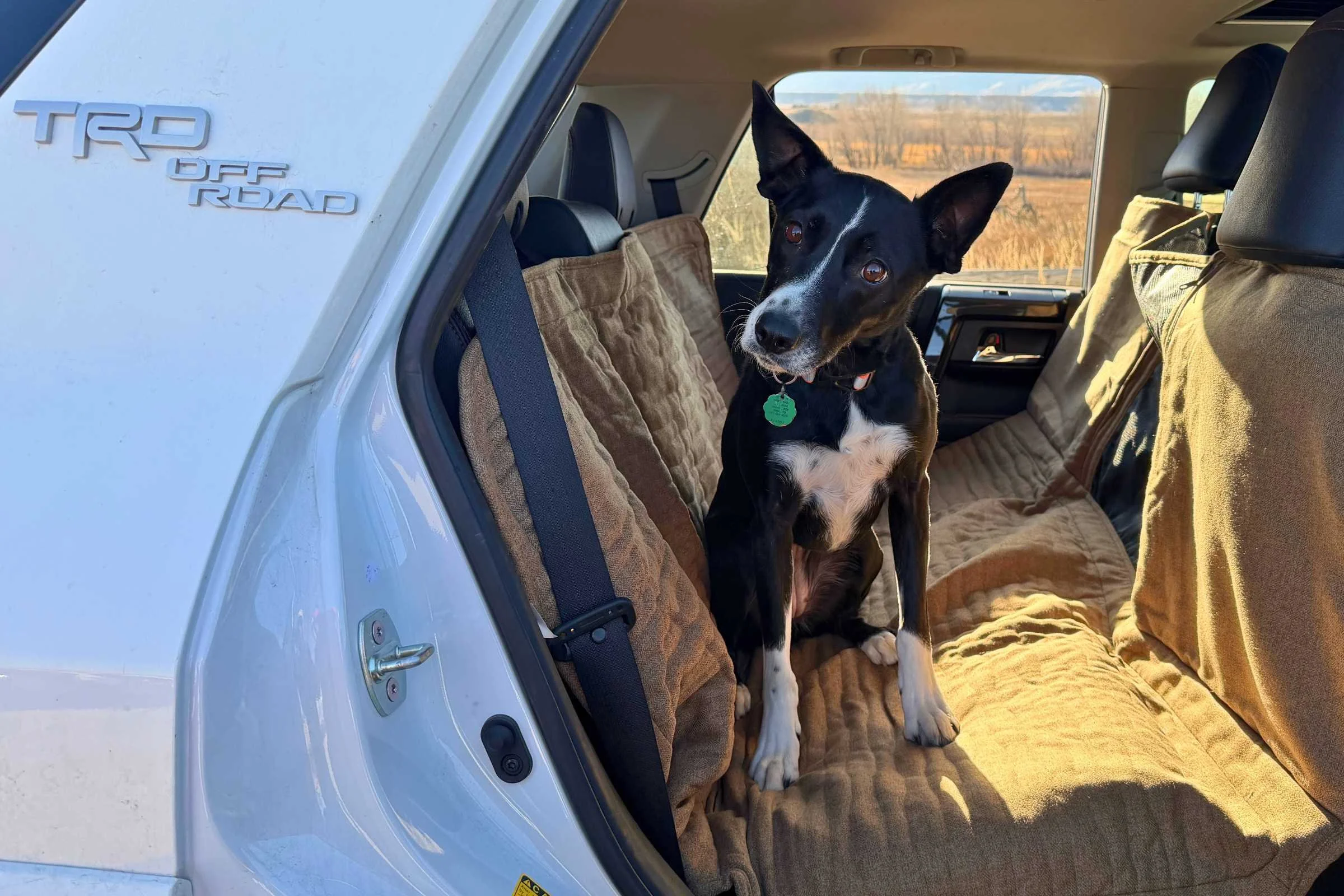
- Use a fitted car seat cover or hammock that is machine washable.
- Cover the cargo area with a rubber-backed liner.
- Brush your dog before each ride. A de-shedding tool helps during peak seasons.
- Keep a travel blanket for the seat. Shake it out after every trip.
- Maintain cabin humidity with regular HVAC use. Very dry air boosts static.
- Replace the cabin air filter on schedule. Cleaner air reduces odor load.
- For leather, clean and condition monthly. A supple surface does not grip hair.
These habits cut the time it takes to remove dog hair from car seats by half or more.
Source: consumerreports.org
Special Cases And Upholstery Types
Different materials need different care. Use the right move for each.
Cloth and woven fabric
- Best match for rubber tools. Mist first. Short strokes lift hair.
Alcantara and microsuede
- Very delicate. No stones. Use a soft upholstery brush with light mist. Vacuum with a fabric guard tool. Work with the nap, not against it.
Leather and vinyl
- Focus on seams, perforations, and stitching. Use a soft brush and a damp microfiber. Vacuum debris at low suction. Condition leather monthly to reduce static.
Perforated seats
- Avoid lint rollers that can tear at holes. Use a soft brush and crevice tool. Work gently and vacuum at an angle.
Seat heaters and sensors
- Keep moisture low. Avoid soaking and heavy steam. Use short, controlled passes.
Following these rules will protect your trim while you remove dog hair from car seats.
Source: treelinereview.com
Quick On-The-Go Methods
Need a fast fix before a client meeting or school run? Try these.
- Keep a silicone lint roller in the glove box. Roll and peel. It is safe for most fabrics.
- Wear a nitrile glove. Dampen it and swipe the seat. Hair will pull into lines.
- Use a slightly damp microfiber towel. Wrap it around your hand. Wipe in one direction.
- A small rubber squeegee works on cloth bolsters. Flick hair into a pile and pinch it up.
These mini moves help you remove dog hair from car seats when time is tight.

Source: nytimes.com
Mistakes To Avoid And Pro Tips From The Field
I have made the mistakes so you do not have to.
- Do not scrub dry. Static builds and hair digs in. Mist first.
- Do not soak seats. Water pushes hair deeper and may cause odor.
- Be careful with pumice stones. They can fuzz delicate cloth. Reserve them for tough trunk carpets only.
- Avoid strong scents. Many dogs and riders are scent-sensitive. Go fragrance-free.
- Use short strokes, not long sweeps. Short strokes grab and lift. Long sweeps slide over hair.
Field tips I rely on to remove dog hair from car seats:
- Cross-hatch your passes. Go north-south, then east-west. You will catch what you missed.
- Keep a charged spare battery for your cordless vacuum. Suction drop kills results.
- Mist the rubber brush too. A damp rubber edge grips hair better.
- Finish with anti-static spray. It is the secret sauce for less re-cling.
Source: consumerreports.org
Eco-Friendly And Allergy-Safe Options
You can be kind to the planet and your lungs.
- Choose a HEPA vacuum. It traps fine dander and reduces sneeze triggers.
- Use fragrance-free enzyme cleaners. They remove odor at the source without heavy perfume.
- Pick reusable tools like rubber brushes and silicone rollers. Less single-use waste.
- Wash seat covers in cold water. Air dry to protect fibers and fit.
These choices help you remove dog hair from car seats while keeping your car healthy and green.
Cost And Time Estimates For 2026
Here is what to expect for gear and effort this year.
DIY investment
- Cordless HEPA vacuum: 120 to 300 USD.
- Rubber brush and squeegee: 10 to 25 USD.
- Anti-static spray and enzyme cleaner: 10 to 30 USD.
- Total starter kit: 150 to 350 USD.
Professional detail
- Pet hair removal add-on: 50 to 150 USD per visit, based on severity.
- Full interior detail with pet package: 200 to 450 USD.
Time
- Light shed maintenance: 10 minutes weekly.
- Post road-trip reset: 30 to 60 minutes.
A small toolkit and a plan will help you remove dog hair from car seats on your schedule and budget.
Frequently Asked Questions of How To Remove Dog Hair From Car Seats: Easy Cleaning Guide For 2026
What is the fastest way to remove dog hair from car seats?
Use a light water mist, a rubber squeegee, and a HEPA vacuum. Work in small sections and finish with a lint roller on seams.
How do I remove dog hair from leather seats safely?
Use a soft brush and a damp microfiber, then vacuum seams with low suction. Avoid stones, harsh chemicals, and heavy moisture.
Does fabric softener help with pet hair in cars?
A small amount in water helps break static and release hair from cloth. Wipe residues after to avoid buildup.
Will steam cleaning remove embedded dog hair?
Low-moisture steam can relax fibers and free hair in cloth seats. Keep the head moving and avoid soaking to protect foam and heaters.
How can I prevent dog hair from sticking again?
Use washable seat covers, brush your dog before rides, and apply an anti-static spray after cleaning. Regular vacuuming keeps buildup low so you can remove dog hair from car seats faster next time.
Are dryer sheets safe for car seats?
Unscented sheets can reduce static on cloth, but use sparingly and test first. They may leave residue, so wipe with a damp microfiber after.
What tool works best for trunk liners and cargo mats?
A pet hair stone or stiff rubber brush works well on tough, looped carpets. Use gentle strokes and vacuum clumps as you go.
Conclusion
A smart plan beats brute force. Break static with a mist, lift with rubber, then vacuum with care. Protect delicate fabrics, and use covers and grooming to stop future buildup. With these steps, you can remove dog hair from car seats faster, safer, and with better results.
Set a 15-minute weekly routine and try the glove trick on your next pass. If this guide helped, subscribe for more car care tips, or share your before-and-after in the comments.