How To Help Rescue Dogs Feel Safe During Car Rides: Best Tips In 2026
Use slow training, stable gear, and calm rewards to make car rides safe.
You care about your dog’s peace, and I do too. In this guide on How To Help Rescue Dogs Feel Safe During Car Rides, I share what works in real life. I draw on years of foster work, shelter transport runs, and behavior coaching. You will learn clear steps, small wins, and smart tools that reduce fear and build trust.

Understand Why Rescue Dogs Fear Car Rides
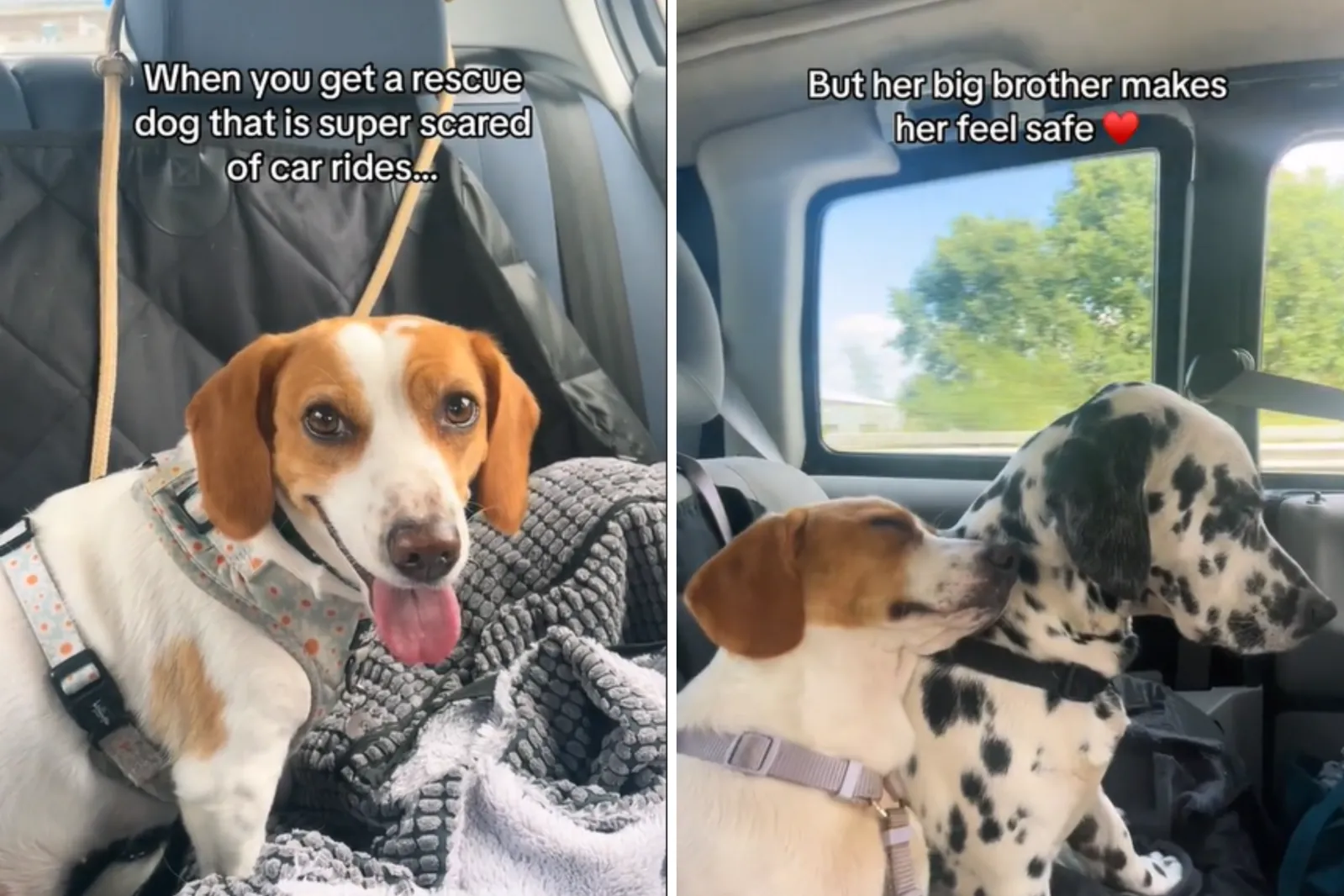
Many rescue dogs link cars with stress. They remember loud sounds, fast moves, and scary places. Some came to the shelter in chaos. Some only rode to a vet. That mix builds fear.
Other causes are simple. Motion sickness is common. Lack of early rides is also common. The car is a noisy metal box. It has odd smells, bumps, and glare. That can feel like a trap when a dog is unsure.
Watch for stress signs. Look for panting, drool, lip licks, tucked tail, and wide eyes. Shaking or freezing also show fear. If you see these, slow down the plan.
You can change the story. Pair the car with calm and rewards. Use a safe setup and short steps. This is the core of How To Help Rescue Dogs Feel Safe During Car Rides.
Prep Before You Drive: Vet, Gear, and Setup
Start with health. Ask your vet to check for nausea, ear issues, or pain. Do not feed a big meal before a ride. A small snack is fine.
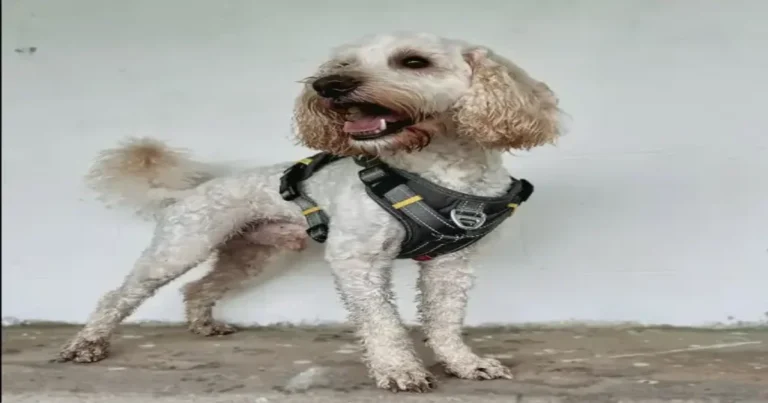
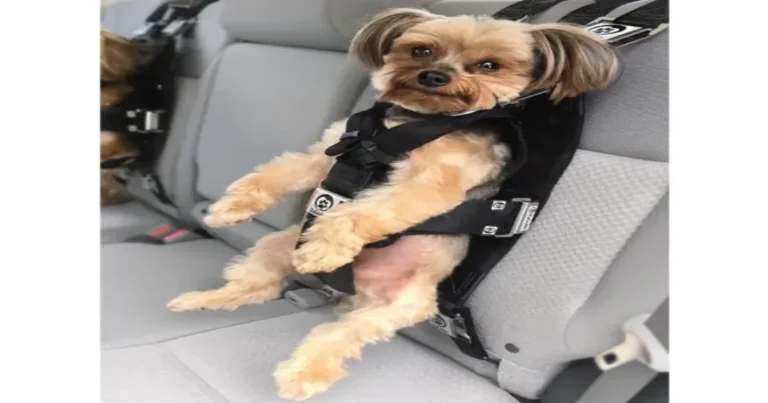
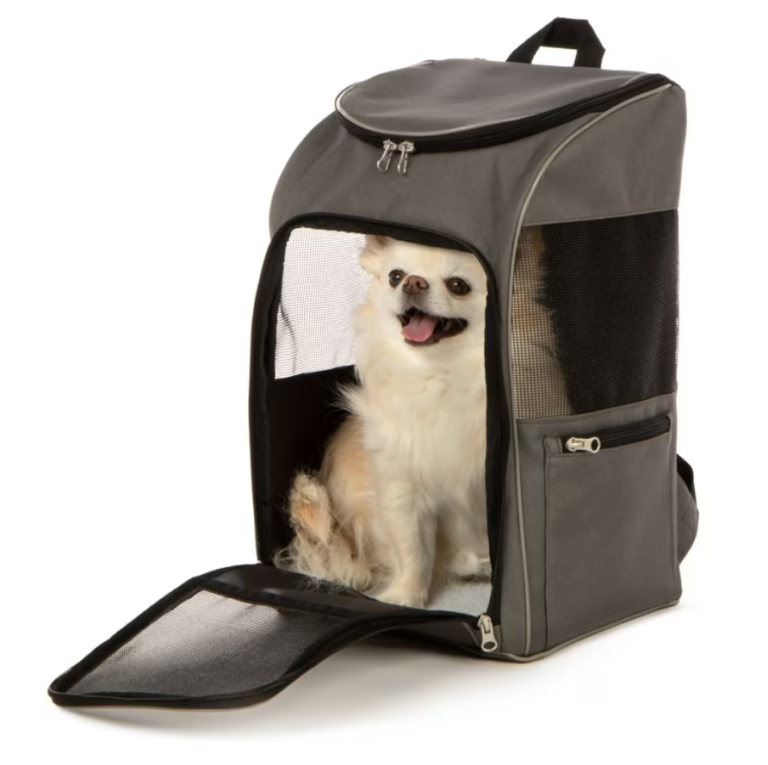
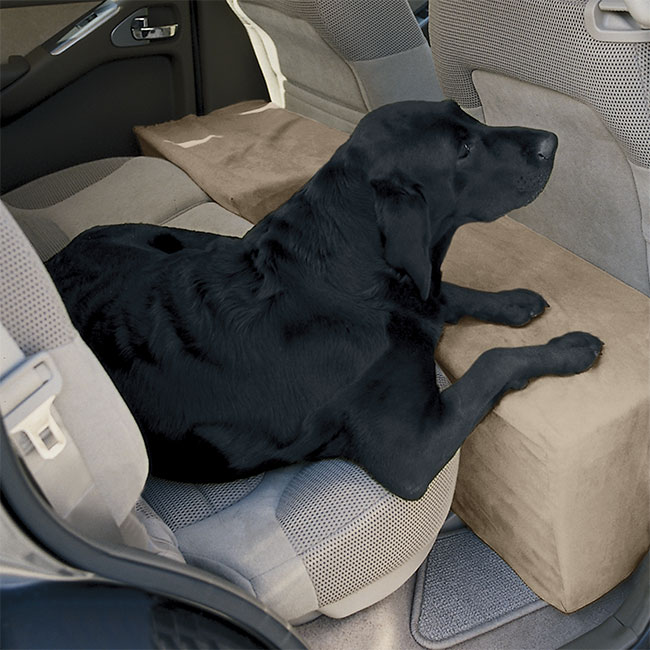
Choose safe restraint. Use a crash‑tested harness with a seat belt clip. Or use a strong crate that fits well. Place the crate on a level spot. The rear footwell is stable. Add a non‑slip mat and soft bedding.
Make the car a calm den. Use a familiar blanket that smells like home. Add a stuffed Kong or lick mat. Keep the cabin cool and quiet. A sun shade can reduce glare. Light classical music can help. Low bass can stress many dogs, so keep volume low.
Plan routes. Start with smooth streets and short loops. Avoid freeways at first. Park near a nice park, not a vet. This is How To Help Rescue Dogs Feel Safe During Car Rides before the engine even starts.
Step‑by‑Step Desensitization and Counterconditioning
Move in tiny steps. Keep your dog under their fear line. Each step should feel easy. End on a win.
Try this flow:
- Walk to the parked car. Treat at a distance. Leave.
- Walk closer. Treat for looking at the car. Leave.
- Touch the car. Treat. Open a door. Treat. Leave.
- Place a treat near the door. Let the dog choose to step closer.
- Dog places front paws inside. Mark and treat. Exit.
- Dog hops in. No engine. Enjoy 10 calm treats. Exit.
- Sit inside with the door ajar. Short chew time. Exit.
- Close doors for 5–10 seconds. Treat. Exit.
- Start engine for 5 seconds. Treat. Turn off. Exit.
- Engine on for 30–60 seconds. Chew time. Exit.
- Short move: 10–50 feet. Park. Treat. Exit.
- Add blocks over days. Keep it short and sweet.
Use high value food. Think chicken, cheese, or a special chew. Feed only in or near the car. That builds a new link in the brain. If stress spikes, back up one or two steps. Log each session. Note time, place, and mood.
This plan is the heart of How To Help Rescue Dogs Feel Safe During Car Rides. It turns fear into trust. It also gives you a clear track to follow.

During the Ride: Calm Handling and Safety
Drive like you have a cup of hot tea on the dash. Smooth starts and stops help a lot. Avoid sharp turns and fast lanes. Pick a quiet time of day.
Use a calm cue. Say “car time” in a soft voice. Do not rush entry or exit. Clip the harness before you move. Do not let the dog roam. A loose dog is a danger and feels less secure.
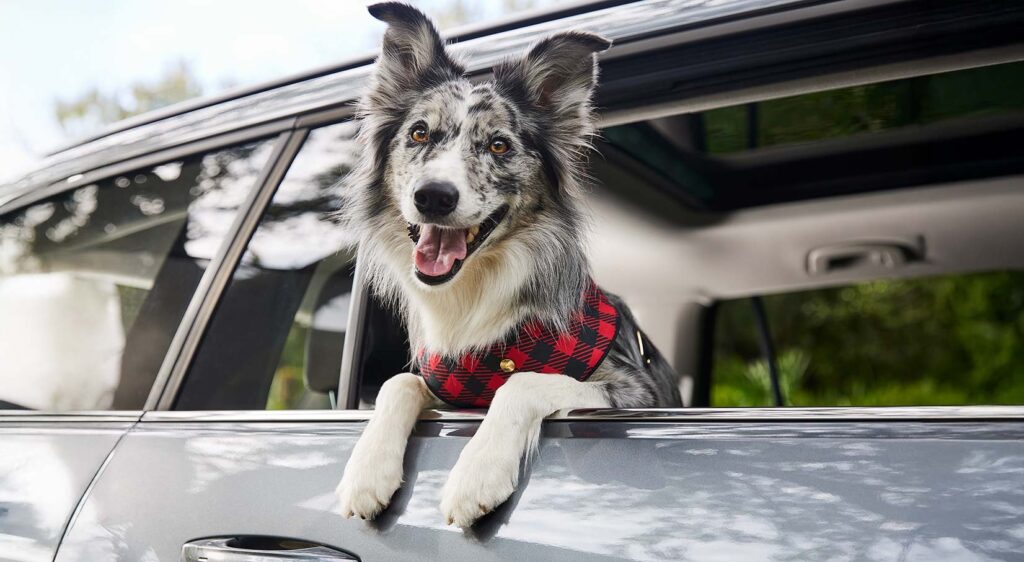
Keep air fresh and cool. Crack a window for scent flow. Do not let the dog hang its head out. Debris can harm eyes. A light cover on the crate can reduce motion blur.
If panic starts, pull over when safe. Wait for calm. Feed a few small treats. End the ride if needed. Your job is to protect trust. This is key in How To Help Rescue Dogs Feel Safe During Car Rides.
:max_bytes(150000):strip_icc():focal(1322x619:1324x621)/Curious-dog-in-the-back-seat-looking-outside-071326-c393defb0fcc4c379fdafc46bd169ac7.jpg)
After the Ride: Positive Endings and Progress Tracking
End each ride with a good thing. Offer a sniff walk, a game, or a meal. Keep the tone light. Praise in a low, kind voice.
Check for drool, shaking, or heavy panting. These can mean nausea or fear. Note what helped and what did not. Adjust the next step.
Track gains, not speed. Small wins stack up. Your log will show the turn point. How To Help Rescue Dogs Feel Safe During Car Rides is a long game. It pays off.
Special Cases: Motion Sickness, Trauma Triggers, and Multi‑Dog Homes
Motion sickness feels like fear. Nausea can make a dog shake or drool. Ask your vet about anti‑nausea meds. Some dogs do well on ginger treats, but ask first. Place the crate low and forward. Face the dog so motion lines are clear.
Past trauma can add layers. Sirens, diesel smells, or uniforms can set a dog off. Work those triggers in tiny doses far from the car. Then blend them into the car plan.
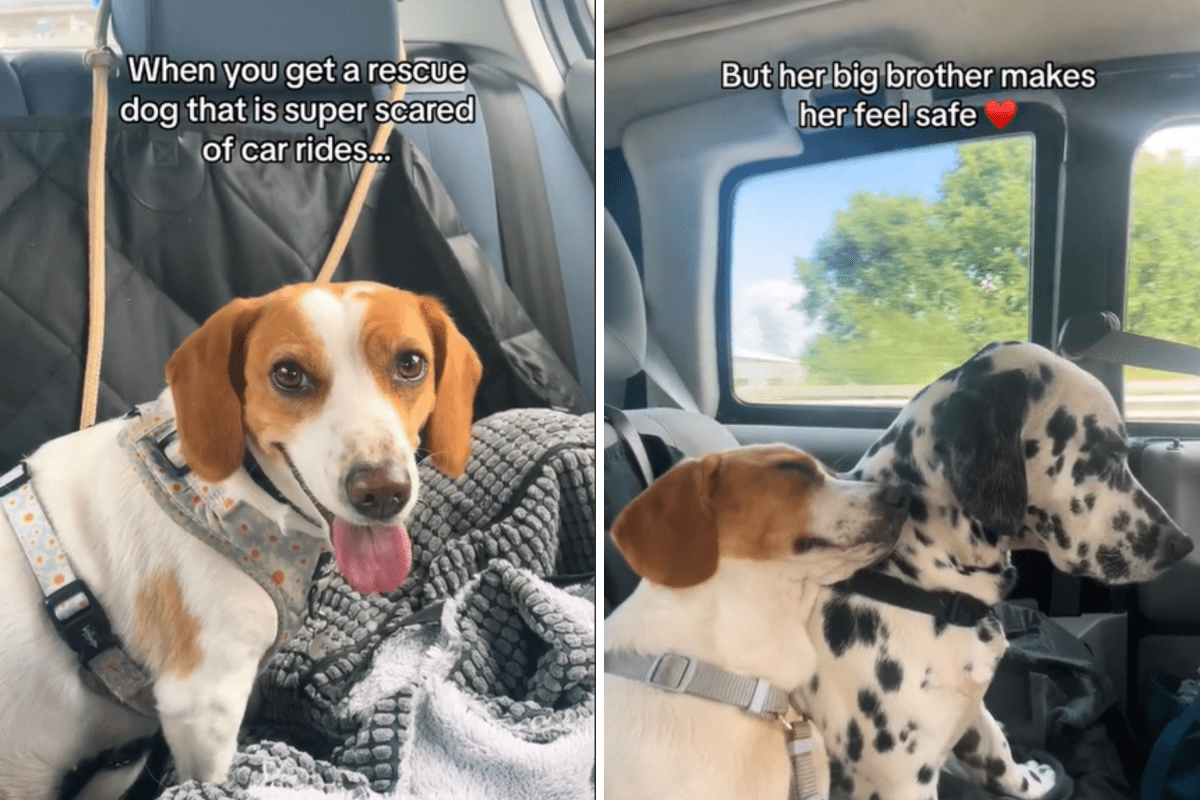
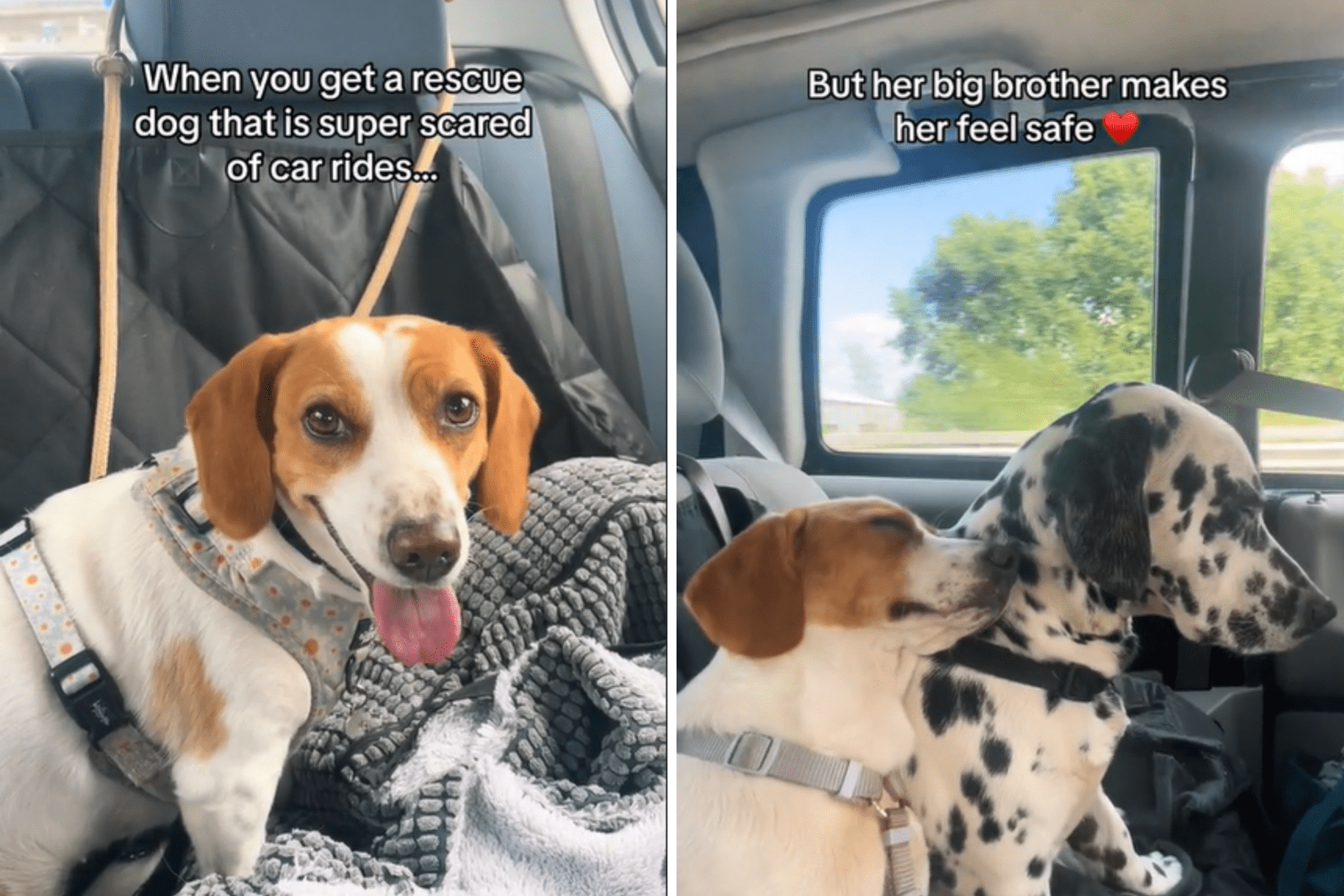
In multi‑dog homes, train one at a time first. Use calm role model dogs later. Load and unload in a set order. Keep space between crates. This is a fair way of How To Help Rescue Dogs Feel Safe During Car Rides in groups.
Tools and Products That Help
Use safe tools that add comfort and control.
Helpful items include:
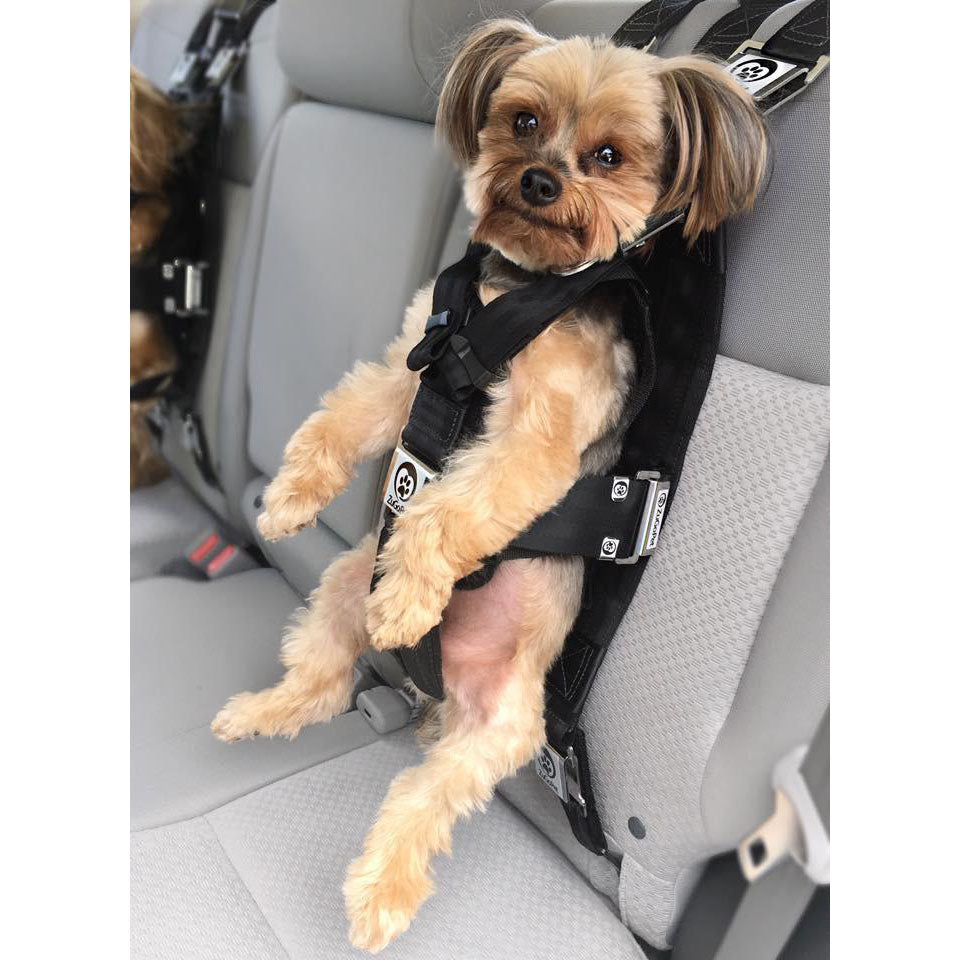
- Crash‑tested harness with seat belt tether
- Sturdy crate sized to allow stand, turn, and lie down
- Non‑slip mat, soft bed, and a familiar blanket
- Window shades to cut glare and heat
- Calming music playlist at low volume
- Lick mats, stuffed Kongs, or slow chews
- Pheromone spray or collar, if your vet agrees
- Clip‑on fan for airflow when parked with you present
- A travel water bowl and small reward pouch
Ask your vet about calm aids if fear is high. Options may include L‑theanine, alpha‑casozepine, or melatonin. Avoid sedatives unless your vet directs you. These tools support How To Help Rescue Dogs Feel Safe During Car Rides when training needs a boost.
Training Plan: A Simple Four‑Week Schedule
Use this as a guide. Move slower if your dog needs it. Short, frequent reps beat long, rare ones.
Week 1: Parked car only
- Approach, sniff, load, and relax with doors open.
- Engine off. 5–10 minute sessions. 1–2 times per day.
Week 2: Engine on, zero to tiny moves
- Doors closed for short spans. Engine on for up to one minute.
- Roll a few feet. Reward. End with a fun walk.
Week 3: Short loops to happy places
- Drive one to three blocks. Park near a quiet park.
- Keep exits calm. No rush. Keep chews inside the car.
Week 4: Extend time and variety
- Add five to ten minutes per ride. Vary routes and stops.
- Mix in one neutral stop, one fun stop.
If stress shows, step back one stage. The goal is steady comfort. This plan shows How To Help Rescue Dogs Feel Safe During Car Rides in a kind, clear way.
Frequently Asked Questions of How To Help Rescue Dogs Feel Safe During Car Rides
How long will this training take?
Most dogs improve in four to eight weeks. Some need more time due to past stress.
Should I feed before a ride?
Offer only a light snack one to two hours before. A full meal can raise the risk of nausea.
What if my dog refuses to get in the car?
Break the task into tiny steps and reward each choice. Use a ramp for sore joints and keep sessions short and fun.
Is music helpful for anxious dogs?
Soft classical or ambient music can lower stress. Keep it at low volume and avoid strong bass.
Can I use calming supplements?
Some dogs benefit from vet‑approved calm aids. Always ask your vet first and start with a low dose plan.
Is a crate or harness better?
Both can work well if used right. Choose the option your dog accepts and that keeps them secure.
What if my dog only rides to the vet?
Add many short trips to fun places to change the pattern. Mix in “no‑stop” loops that end at home with a reward.
Conclusion
You can turn car fear into calm with kind steps, smart gear, and time. Use slow gains, steady cues, and safe setups. Protect trust at each stage. This is the sure path for How To Help Rescue Dogs Feel Safe During Car Rides.
Start today. Log one easy win and build from there. If you found this helpful, share it, subscribe for more guides, or leave a question so I can help you next.