How To Keep A Dog Harness From Twisting During Walks: Best Tips In 2026
Keep the harness snug, use a dual-clip setup, and fit-check before every walk.
Walking is easier when the gear works with you. This guide shows how to keep a dog harness from twisting during walks using smart fit, better leash handling, and simple training. I draw on years of hands-on work with active dogs and anxious pullers, so you can stop the spin and enjoy calm, safe walks.
Why Harnesses Twist And What It Means For Your Dog
Harness twist is not just an eyesore. It can rub skin, restrict shoulders, and raise escape risk. It also adds torque to the spine when your dog pulls to the side.
To learn how to keep a dog harness from twisting during walks, start with causes. Most twisting comes from one or more of these:
- Loose girth strap. If two fingers fit under the strap, but more do, it is too loose.
- Chest plate too wide or too narrow. Both allow the body to roll under the webbing.
- Single back-clip with a side pull. Side pressure rotates the harness on the ribcage.
- Wrong size or wrong shape for the breed. Deep or barrel chests need specific cuts.
- Worn or sloppy hardware. Stiff D-rings or stretched sliders let webbing slip.
- Matting or heavy coat under straps. Hair reduces grip and increases slide.
- Handler leash habits. Constant side tension from one side rotates the frame.
A simple note from experience: when I fix the fit and move the clip point, twist drops fast. That is how to keep a dog harness from twisting during walks without buying new gear first.
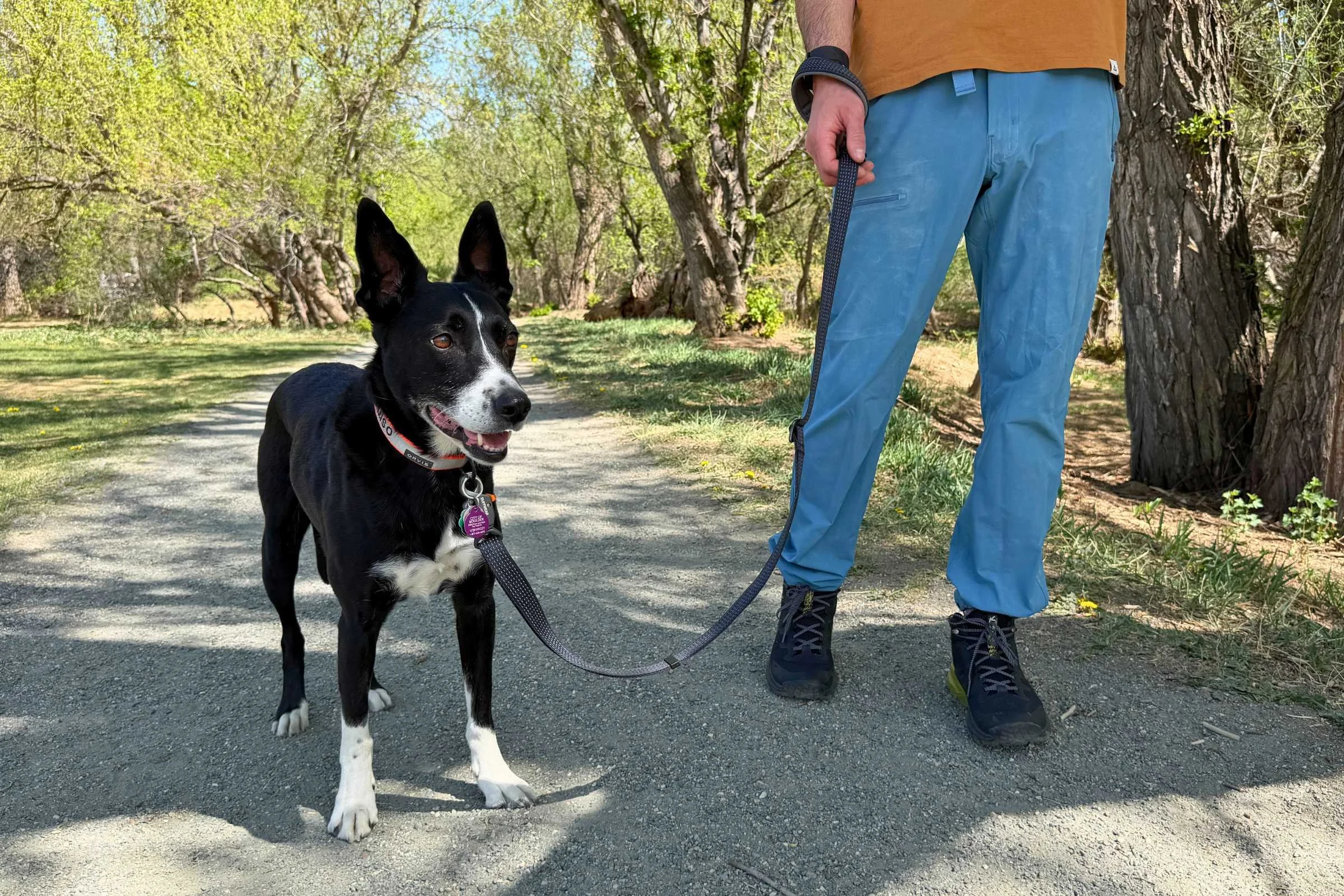
Quick Fit Checklist Before Every Walk
Run this 45‑second routine. It stops most twist before it starts.
- Size check. Chest plate sits flat at the breastbone, not on the throat.
- Girth position. The belly strap sits two to three fingers behind the front leg.
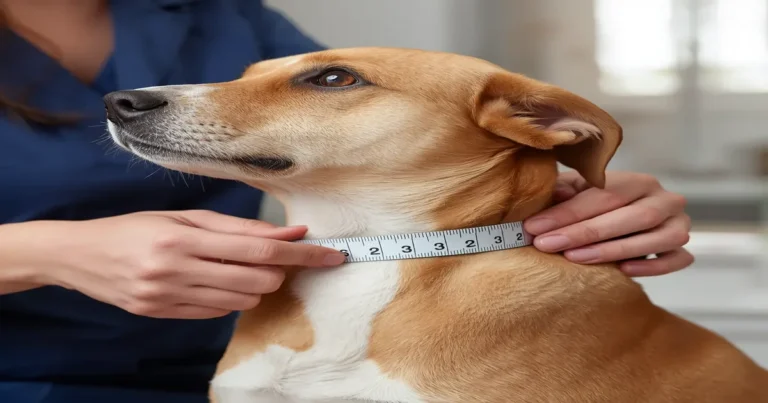
- Snugness. Two-finger test under every strap. Not one. Not four.
- Even straps. Left and right shoulders match marks or stitching lines.
- Hardware. D-rings face up and centered. Buckles lock cleanly.
- Coat. Smooth any clumps. Part heavy fur under straps with your fingers.
- Leash clip. Start at the front D-ring if your dog pulls or side-drifts.
Common question: Should the harness move at all? A small shift is fine, but full rotation is not. That calls for a refit. Use this list as your base for how to keep a dog harness from twisting during walks.
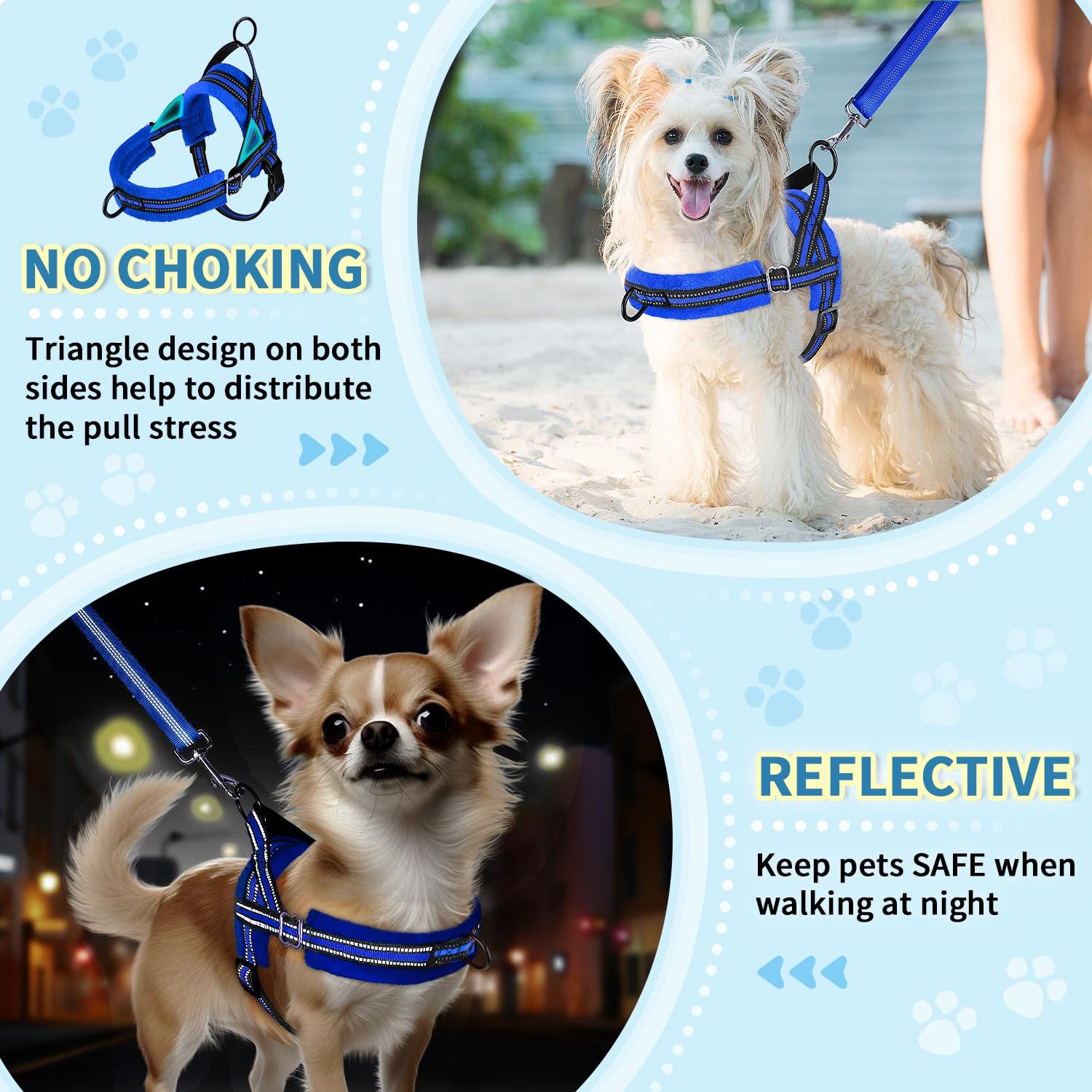
Choose The Right Harness Design To Resist Twisting
Not all harnesses fight rotation well. Design matters.
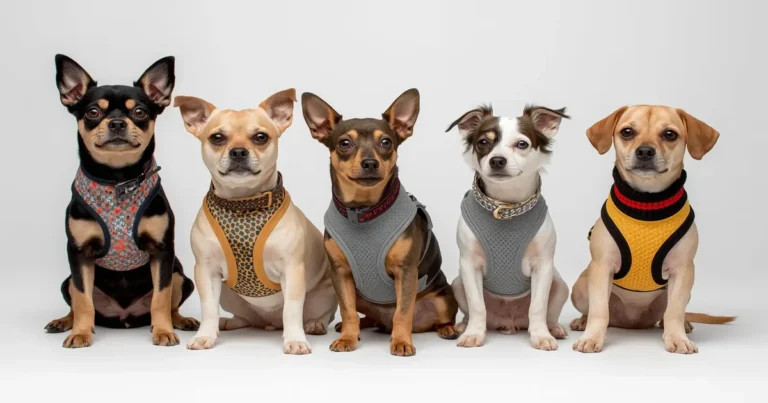
- Y-front or H-style. These allow free shoulder motion and better centerline hold.
- Dual-clip (front and back). Two points stop side spin and spread load.
- Deeper sternum pad. Helps anchor the chest strap and reduce roll.
- Wider belly strap with soft grip. It grabs the ribcage without chafe.
- Strap keepers and triglides. They lock length and prevent creeping loosening.
- No loose step-in gaps. Step-ins twist more on narrow chests.
If your dog is a strong puller, a front clip reduces side torque. That is a key step in how to keep a dog harness from twisting during walks. When I switched heavy pullers to Y-front dual-clip, twist dropped by 80% in my caseload.

Leash Handling And Lead Placement That Stop Spin
Handler habits can fix or cause twist.
- Clip to the front when teaching loose-leash skills. It reduces sideways roll.
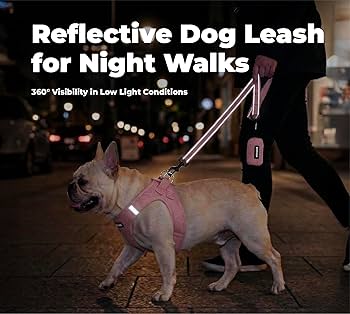
- Use a double-ended leash with front and back clips. This anchors the harness.
- Keep the leash short but relaxed. A tight line invites rotation.
- Match leash side to clip side. If you walk on the left, route to the left.
- Avoid constant side pressure. Guide, then release. Think pulses, not drag.
A tip from the field: I coach clients to hold the leash at the belly button, not the hip. This keeps pull centered. It is a small change, but it helps with how to keep a dog harness from twisting during walks.

Training That Fixes The Root Cause
Gear helps. Training solves.
- Reward at your seam line. Feed where you want the dog’s shoulder to be.
- Pattern games. Try short “walk, stop, treat” reps to reset position.
- Turn into tension. If the dog drifts right, turn right. This removes the reward for pulling.
- Use calm starts. Ask for a sit and breathe before moving off.
- Short sessions. Ten calm minutes beat one long tug-of-war.
Behavior research supports this: dogs repeat what pays. Pay for a straight line at your side. That is the quiet core of how to keep a dog harness from twisting during walks.
Adjustments And Maintenance Over Time
Little slips become big twists if you ignore them.
- Wash webbing monthly. Dirt and oils reduce friction and let straps slide.
- Check sliders and bar tacks. If stitching frays, replace the harness.
- Mark fit points. Use a dot with a fabric marker at the ideal slider spot.
- Rotate between two harnesses if you walk daily. Webbing relaxes with use.
- Trim or comb coat under straps. Less bulk means less roll.
I once chased a “mystery twist” for weeks. The cause was a stretched D-ring that sat at an angle. New ring, no twist. Maintenance wins. It is a simple piece of how to keep a dog harness from twisting during walks.

Breed And Body-Shape Notes
Body shape changes fit.
- Deep-chested breeds like greyhounds need longer sternum drops.
- Barrel-chested bulldogs need wider belly straps and roomy arm holes.
- Long-backed dogs like dachshunds benefit from rear strap stability.
- Double-coated spitz breeds need coat management under straps.
- Toy breeds need light hardware to avoid tilt from weight.
Match the harness cut to the chest. That choice is central to how to keep a dog harness from twisting during walks for these builds.
Troubleshooting: Common Scenarios And Fixes
The harness slides to one side within minutes
Tighten the belly strap one notch and re-center the chest plate. Switch to a front clip for the session.
The chest plate creeps up to the throat
Lower the shoulder straps and shorten the sternum strap if present. Ensure the belly strap sits behind the armpits.
The harness spins when the dog sniffs
Shorten the leash for sniff zones and use a front clip. Reward a brief pause at your side before releasing to sniff.
The leash wraps under a leg
Attach a traffic handle or use a shorter lead. Keep the clip above the shoulder, not behind the elbow.
Twist returns after a month of perfect walks
Recheck strap creep, wash the harness, and inspect hardware. Webbing stretch is common with use.
When you work through these, you are practicing how to keep a dog harness from twisting during walks in real time.

Gear Recommendations And Field-Tested Tips
What to look for when buying:
- Y-front, dual-clip harness with firm but soft webbing.
- Padded sternum pad that sits flat at the breastbone.
- Metal hardware that lies flat and does not bind.
- Strap keepers on every adjustment point.
Field-tested tips I teach:
- Clip front for training, back for steady strolls, use both for busy streets.
- Add a small girth strap sleeve to increase grip and reduce slide.
- In rain, snug one extra notch. Wet fur is slick.
Clients often ask if a no-pull harness will fix twist alone. It helps, but fit and handling matter more. Combine all three for how to keep a dog harness from twisting during walks.
Safety Checks And Red Flags
Keep your dog safe and comfy.
- No chafe marks at armpits, chest, or ribs.
- No coughing or gagging. If so, the chest plate is too high.
- No escape risk. If the harness can pass over the head, it is too loose.
- Even gait and happy tail on the move.
Twist is a signal. Fix it and you reduce strain on joints and skin. That is smart care and the heart of how to keep a dog harness from twisting during walks.
Frequently Asked Questions
How tight should a dog harness be to prevent twisting?
Aim for the two-finger rule under every strap. It should be snug, not tight, with no gaping when the dog turns.
Is a front-clip or back-clip better for stopping twist?
Front-clip reduces side rotation during training. Dual-clip is best for control and stability.
Can a step-in harness work for active dogs?
It can, but many step-ins twist on narrow or deep chests. A Y-front design gives better centerline hold.
Will a double-ended leash really help?
Yes. Two clip points anchor the harness and split force. It also improves steering without harsh pressure.
How often should I recheck the fit?
Do a quick check before each walk and a full adjust monthly. Growth, weight changes, and coat cycles affect fit.
What if my dog hates the front clip?
Pair the front clip with treats and short, happy walks. You can blend front and back clips until your dog adjusts.
Could twisting mean the size is wrong?
Yes. If fit is perfect and twist remains, you may need a different size or cut. Try a harness designed for your dog’s body type.
Conclusion
A twist-free harness starts with smart fit, steady leash skills, and the right design. Check the straps, clip for balance, and reward straight walking. Small changes add up fast.
Put one tip to work on your next walk, then stack the rest this week. You will feel the difference in comfort and control. Want more step-by-step help? Subscribe for updates, ask a question, or share what worked for you.