Why Your Dog Cries During Grooming: 9 Easy Fixes In 2026
Dogs cry during grooming due to fear, pain, past trauma, noise, or handling stress.
You want calm, safe grooming days. I help dog parents solve why your dog cries during grooming with proven, kind methods that work in real homes. In this guide, Why Your Dog Cries During Grooming: 9 Common Causes And Easy Solutions (2026), I draw on years of hands-on grooming and behavior work to explain triggers, share easy fixes, and show you how to build a stress-free routine that lasts.
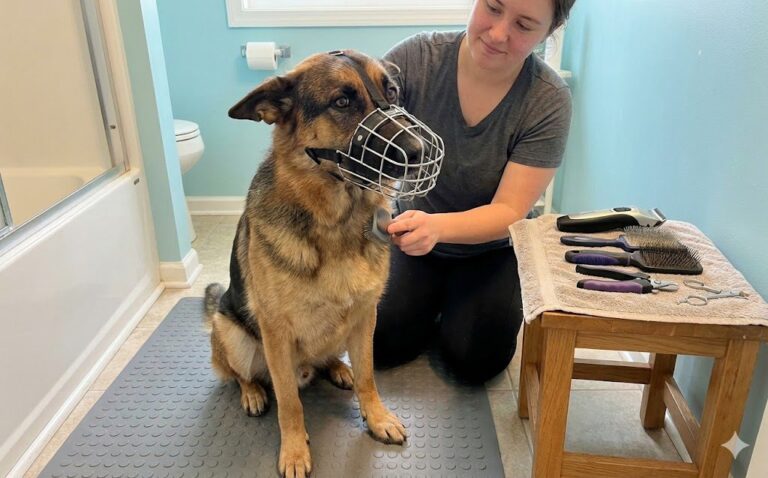
Source: yelp.com
Understanding canine crying during grooming
Crying, yelping, whining, or trembling during a bath or clip is a stress signal. It can mean fear, pain, confusion, or a learned way to get the session to stop. To solve why your dog cries during grooming, you must read the dog’s body language and match the fix to the cause.
Key stress signals to watch:
- Whale eye, pinned ears, lip licking, yawning, or shaking
- Tail tucked, freezing, or trying to escape
- Fast panting, drooling, or sudden stillness
What “crying” is not:
- Stubbornness. Dogs do not cry to “be difficult.” They cry because something feels scary or hurts.
- Disobedience. Fear blocks learning. We must reduce fear first.
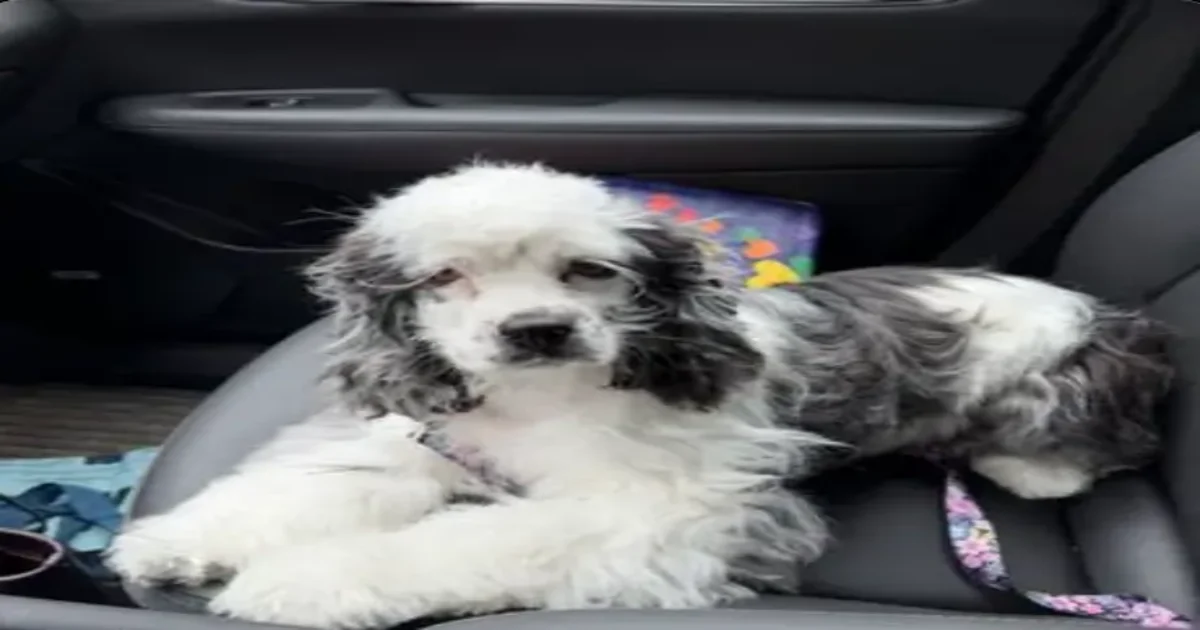
From my grooming table: I once worked with Max, a gentle Cocker Spaniel who screamed at the dryer. We switched to a towel and a quiet stand dryer, paired it with a peanut-butter lick mat, and used short sessions. By week three, Max stood calm for drying. This is why your dog cries during grooming is a problem you can fix with the right plan.
9 common causes and easy solutions
Below are the most common reasons why your dog cries during grooming and simple, kind changes that help fast.
1) Noise fear from clippers, dryers, or nail grinders
Signs: Crying starts when the machine turns on. Dog scans the room, tries to hide.
Easy solutions:
- Start far away. Turn the tool on across the room for 5–10 seconds. Toss a treat. Repeat daily.
- Use quiet tools. Low-noise clippers and variable-speed dryers help a lot.
- Ear protection. Cotton balls in ears during drying reduce sound, but never push deep.
- Train with a fake “on.” Hold the tool off and touch the handle to your dog while feeding a treat.
2) Past bad grooming experiences
Signs: Panic in the lobby, shaking on the table, crying as soon as handling starts.
Easy solutions:
- Switch to force-free groomers who allow you to stay nearby if safe.
- Book calm times of day and shorter sessions with breaks.
- Pair each step with high-value food. Brush, treat, stop. Towel, treat, stop.
- Keep your voice soft. Your calm tone is a safety cue.
3) Matted coat or tender skin
Signs: Crying when brushing certain spots. Red skin, dandruff, or tight clumps.
Easy solutions:
- Never rip mats. Use a detangling spray, a mat splitter, or have a pro shave mats humanely.
- Brush daily for 3–5 minutes with the right tools for the coat type.
- Add moisture. Gentle conditioners reduce friction and pain.
4) Medical pain: arthritis, ear infection, dental pain, hot spots
Signs: Crying when feet, hips, ears, or jaw are touched. Sudden snap or flinch.
Easy solutions:
- Veterinary exam first. Pain turns simple grooming into fear.
- Use non-slip mats, ramps, and a lift-free setup.
- Short sessions on soft surfaces. Ask your vet about pain control on grooming days.
5) Nail trimming fear or past quick cuts
Signs: Paw pull-back, crying at the sight of clippers, hiding.
Easy solutions:
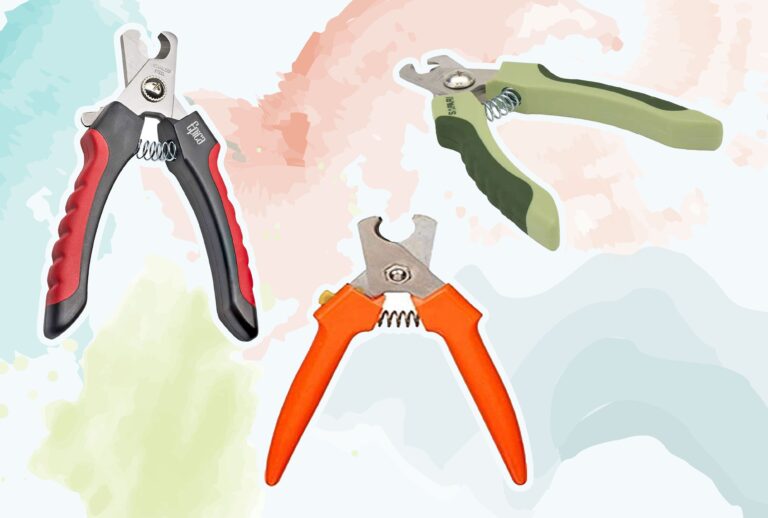
- Switch to a grinder or sharp scissor-style clipper. Dull tools crush.
- Micro-trims. One nail tip a day with a treat per nail.
- Use a lick mat or stuffed toy during trims.
- Learn to spot the quick. In black nails, stop when you see a chalky dot.
6) Restraint intolerance or handling sensitivity
Signs: Crying when hugged, looped, or held still. Thrashing on the table.
Easy solutions:
- Teach a chin rest and a stand-stay with click-and-treat.
- Replace force with cooperative care. Ask for consent cues, then reward stillness.
- Use a helper for gentle stabilization instead of tight holds.
7) Temperature discomfort: water too hot or cold, drafty dryers
Signs: Crying when water hits. Shivering, surface hopping, or pushing away.
Easy solutions:
- Keep bath water lukewarm, like baby bath water.
- Towel dry first. Use a low, warm setting on dryers. Avoid faces and ears.
- Warm the room and use non-slip mats.
8) Overlong sessions and low stamina
Signs: Good for 5–10 minutes, then crying starts. Meltdowns near the end.
Easy solutions:
- Groom in chunks. Two or three mini-sessions beat one marathon.
- Start with the hardest task first. Stop on a win before your dog fades.
- Track a time limit. Many dogs do best under 20 minutes at first.
9) Anxiety from environment or handler stress
Signs: Crying in loud shops, busy rooms, or when you feel tense.
Easy solutions:
- Pick calm hours, play white noise, and keep other pets away.
- Use dog-safe calming aids like pheromone collars or a vet-approved supplement.
- Breathe and smile. Your dog mirrors your state.
Professional note: If you wonder why your dog cries during grooming every time, pause and reassess. Often, one small change solves the root cause. Pain and fear are common. Kind handling and better tools do the heavy lifting.
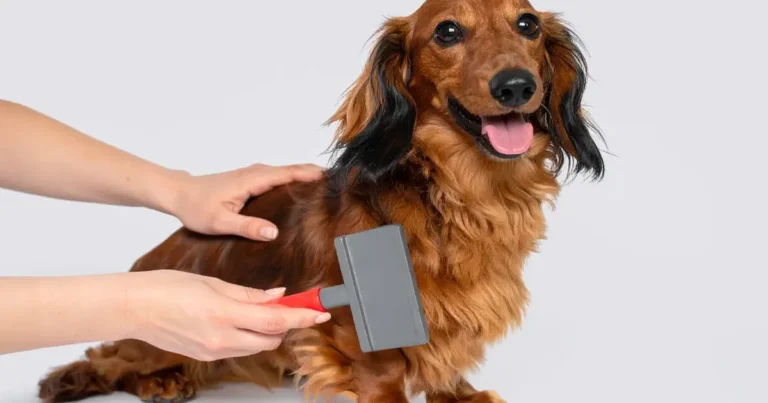
Source: walmart.com
A step-by-step desensitization plan that works
Week 1: Build positive associations
- Show the brush or clipper (off). Feed five small treats. Put tool away.
- Touch your dog with the back of the tool for one second. Treat and stop.
- Do two to three short reps per day. End before any stress shows.
Week 2: Add motion and brief contact
- Brush one stroke. Treat. Pause.
- Hold the clipper on your skin so you feel the vibration, then touch your dog’s shoulder for one second. Treat.
Week 3: Increase time, not pressure
- Brush for 5–10 strokes in a low-stress area, then one stroke on a tricky spot. Treat.
- Run the clipper near the dog for 10 seconds. Touch for two seconds. Treat.
Week 4: Put it together
- Do a mini bath or trim, under 10 minutes, with a lick mat.
- If signs of stress appear, return to the last easy step.
This plan helps solve why your dog cries during grooming by teaching that grooming predicts safety and snacks. Keep sessions short and sweet.

Source: yelp.com
Home grooming setup and safety checklist
Prep your space
- Non-slip mat in tub and on table
- Warm, bright room with good airflow
- Towels, treats, and tools within arm’s reach
Smart tools
- Soft slicker brush, metal comb, de-matter
- Quiet clipper with sharp blades and coolant
- Nail grinder or sharp clippers, styptic powder
- Tear-free shampoo and coat-appropriate conditioner
Low-stress handling
- Use a chin rest cue and treat often
- Groom high-value spots first and rotate sides
- Stop before your dog feels trapped
Hygiene and safety
- Check ears, skin, and pads before you start
- Disinfect tools between pets
- Keep blades cool to prevent burns
This checklist reduces surprises, which is a big reason why your dog cries during grooming. Calm setup equals calm dogs.

Source: walmart.com
When to call a pro groomer or a veterinarian
Call a groomer when
- You need breed-standard trims or coat-specific care
- Mats are severe and need humane shaving
- You prefer a low-stress mobile service at home
Call a veterinarian when
- There is sudden crying, limping, ear odor, skin infection, or hot spots
- Your dog panics despite careful training
- You want a plan for pain relief or vet-prescribed anxiety meds
Medication note: Some dogs need pre-visit meds such as gabapentin or trazodone under veterinary guidance. This is not a shortcut. You still train and go slow. But medical help can end a fear loop and let your dog learn that grooming is safe. If you keep asking why your dog cries during grooming, a vet exam is a responsible next step.

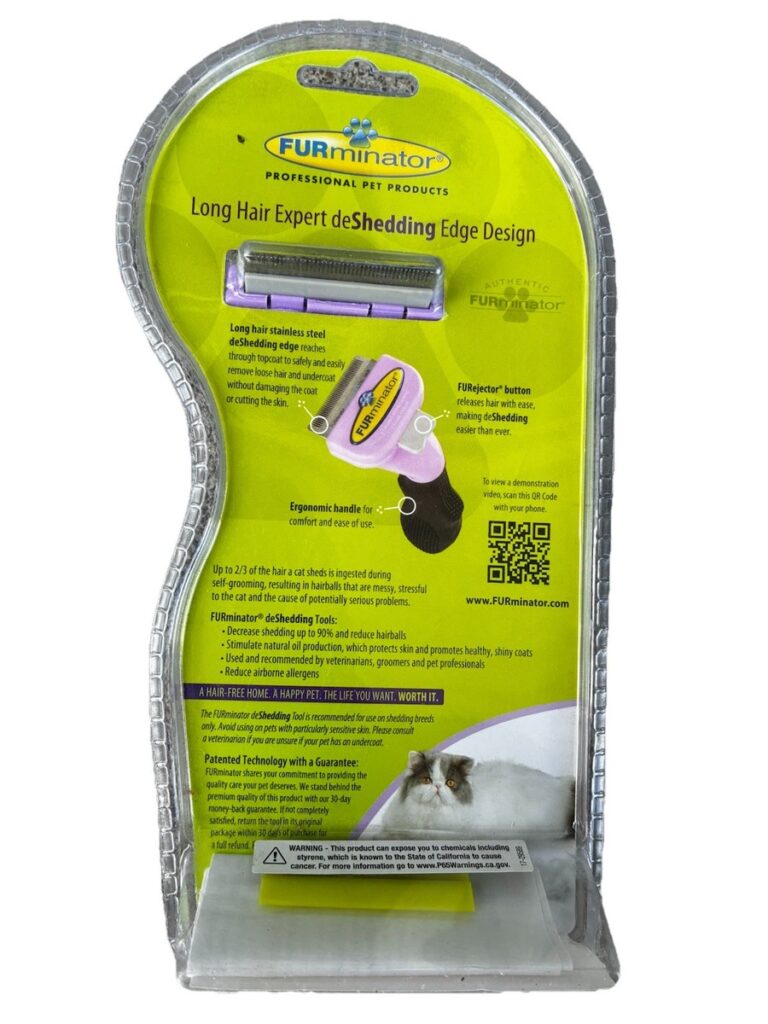
Source: amazon.com
Day-of grooming tips that make a big difference
The night before
- Brush lightly, then rest. No big new steps.
- Pack high-value treats and a lick mat.
One hour before
- A sniff walk and potty break lower stress
- Skip a full meal so treats matter more
During grooming
- Use calm music or white noise
- Keep sessions brief and reward often
- If crying rises, take a short play or sniff break
- Praise, play, and a chew to end on joy
- Note what worked in a simple journal
These small rituals stop the spiral that drives why your dog cries during grooming. Consistency beats intensity.
Source: purespadirect.com
Frequently Asked Questions of Why Your Dog Cries During Grooming: 9 Common Causes And Easy Solutions (2026)
Why does my dog start crying as soon as the dryer turns on?
The sound and airflow can feel scary and intense. Use a towel first, switch to a quieter dryer on low, and pair short bursts with treats.
How can I cut black nails without hurting my dog?
Trim tiny slices and stop when you see a chalky white center. A grinder gives control and helps avoid the quick.
Is it okay to sedate my dog for grooming?
Only under a veterinarian’s guidance. Medication can help in severe cases, but you should still use desensitization and kind handling.
How long should a beginner grooming session last?
Start with 5–10 minutes and stop while your dog is still calm. Build duration over several short sessions each week.
What’s the best brush for a curly or doodle coat?
Use a quality slicker brush plus a metal comb to find hidden mats. Brush in layers from skin to tip for best results.
Conclusion
Crying during grooming is a message, not misbehavior. When you read body language, rule out pain, and use calm training, you turn a hard day into an easy routine. Focus on short sessions, quiet tools, kind touch, and generous rewards, and you will solve why your dog cries during grooming step by step.
Take action this week: set up a safe space, run the four-week plan, and log progress. If you hit a wall, bring in a force-free groomer or your vet for tailored help. Want more practical guides like Why Your Dog Cries During Grooming: 9 Common Causes And Easy Solutions (2026)? Subscribe, share your story in the comments, and help another pet parent on the same path.