Puppy Harness Training: Best First-Time Owners Guide 2026
Start early, fit a soft harness, pair it with treats, and train daily.
As a behavior coach who has guided hundreds of new dog owners, I know that puppy harness training can feel like a big leap. This step-by-step guide for first-time owners breaks the process into simple wins you can stack each day. If you want safe walks, less pulling, and a confident pup, this Puppy Harness Training: Step-By-Step Guide For First-Time Owners will show you exactly how to get there.

Source: amazon.com
What puppy harness training is and why it matters
Puppy harness training teaches your dog to enjoy wearing a harness and to walk on a loose leash. It blends fit, comfort, and positive reinforcement. You begin indoors, then move outside once your puppy is relaxed and focused.
A well-fitted harness protects the neck. It spreads pressure across the chest and shoulders. This helps prevent throat strain and reduces the risk of injury, especially in small or flat-faced breeds.
It also makes handling easier. You can guide your puppy without causing pain. This builds trust. Trust speeds learning. Happy, safe walks are the end goal of puppy harness training.
Puppy harness training is not only about gear. It is about teaching calm behavior under mild stress. Small steps matter. Short, fun sessions make lasting habits.
Source: baileyandcoco.com
How to choose the right harness for your puppy
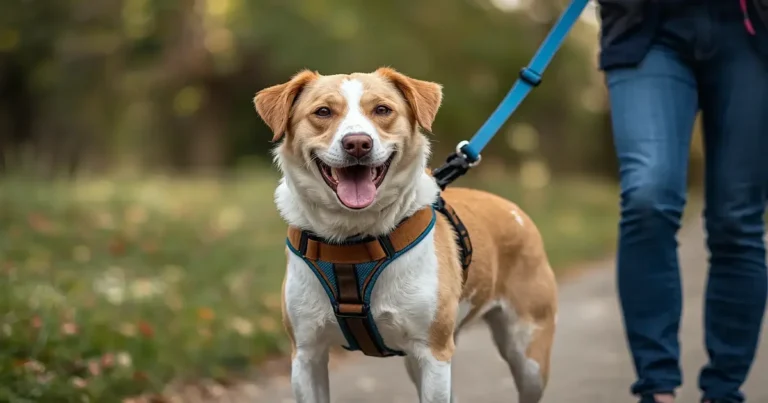
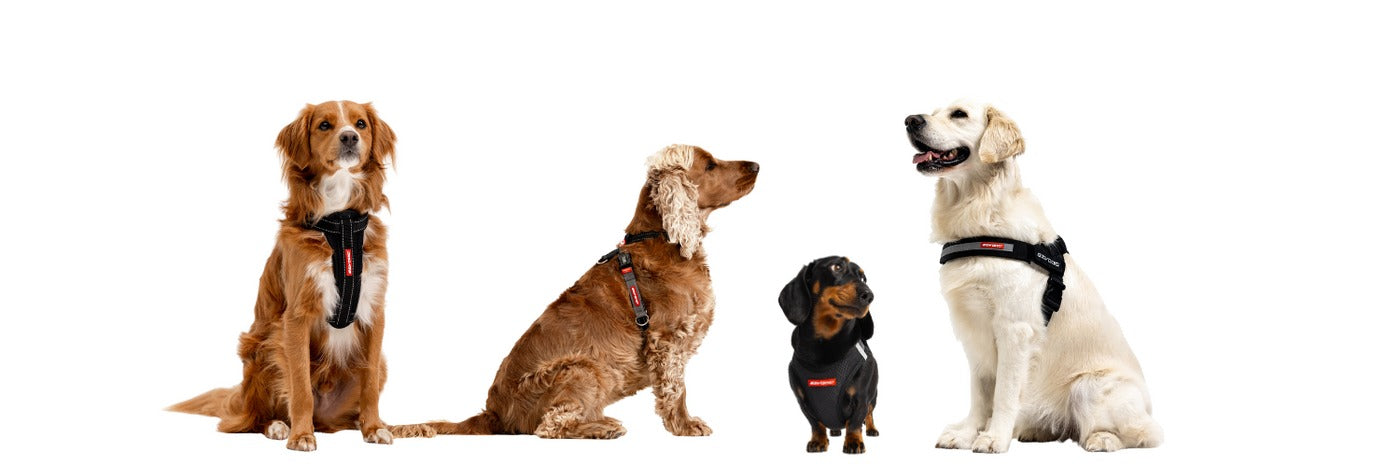
Good gear makes puppy harness training smoother. Choose a harness that is soft, adjustable, and easy to put on and take off.
Key types to know:
- Y-front harness. Allows shoulder movement and is a common favorite.
- Back-clip harness. Best for calm walkers and general use.
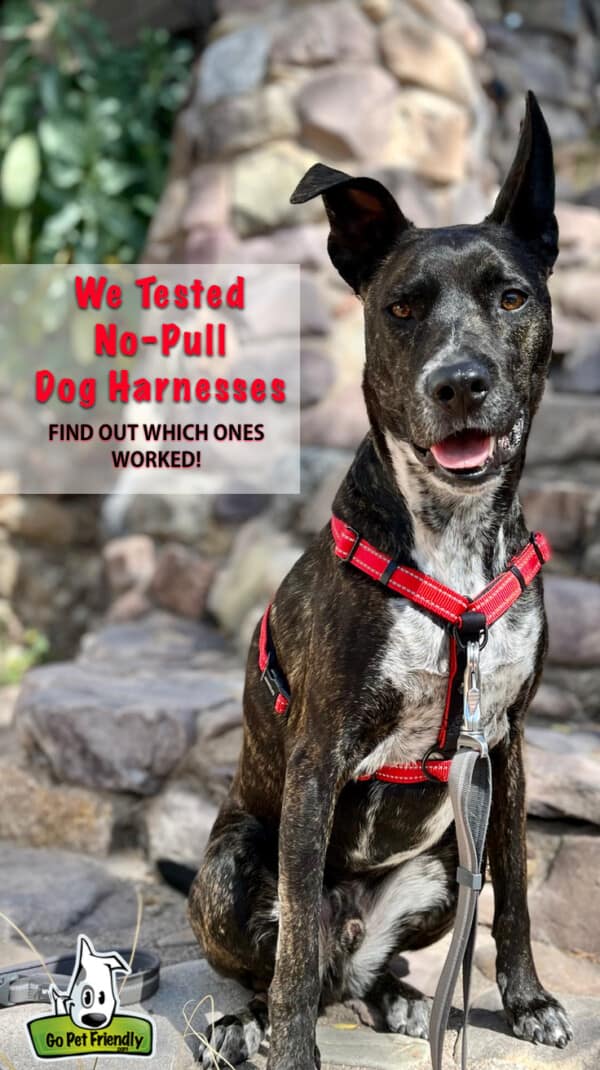
- Front-clip harness. Helps reduce pulling by turning the body gently.
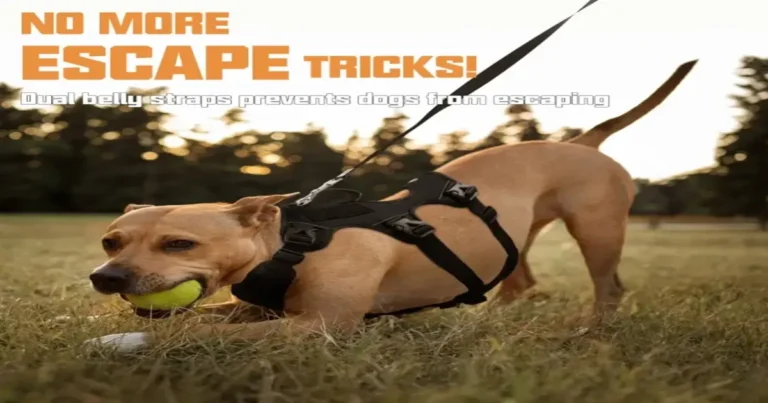
- Dual-clip harness. Offers both front and back rings for control and training.
Fit and comfort tips:
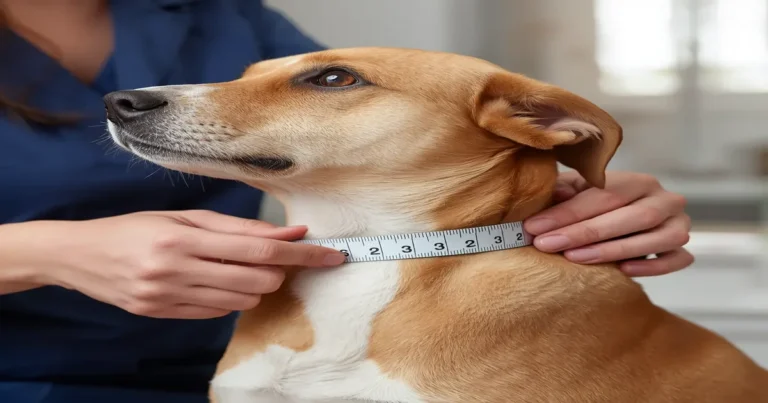
- Measure chest girth at the widest point behind the front legs.
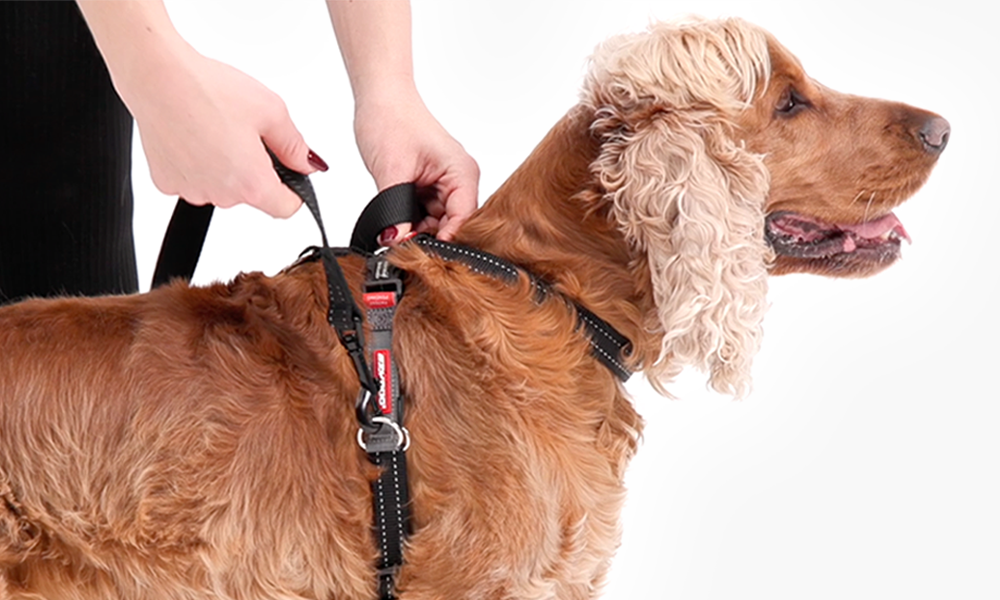
- Use the two-finger rule under each strap. It should be snug, not tight.
- The chest strap should sit off the throat and not pinch the armpits.
- Check for rubbing at the elbows and behind the shoulders after short walks.
- Recheck fit weekly. Puppies grow fast.
Materials and features:
- Padded straps reduce chafing for short coats.
- Breathable mesh helps in warm weather.
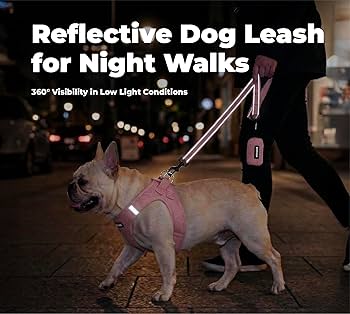
- Reflective trim improves safety at dawn and dusk.
- Metal buckles are strong. Plastic is lighter but can break with chewing.
Avoid tools that cause pain. Skip prong, choke, or shock devices. Puppy harness training works best with rewards, not fear.
Source: ezydog.com
Step-by-step puppy harness training plan
Use tiny steps. Keep sessions short and happy. Aim for 3 to 5 minutes, 2 to 4 times per day. Reward with great treats your puppy loves.
Day 1 to 2: Create a positive link
- Show the harness. Feed a treat. Put the harness away. Repeat a few times.
- Let your puppy sniff it. Mark with a yes or a click. Feed.
- Touch the harness to the shoulder. Treat. Remove. Treat again.
Day 3: Build comfort with the head hole
- Hold a treat on the other side of the neck loop.
- Let your puppy push their nose through to get the treat.
- Do not force. If they pull back, make the loop larger and go slower.
Day 4: Short wear indoors
1. Clip the harness for 10 to 30 seconds. Feed several treats.
2. Unclip. Pause. Play a game. Clip again for a few seconds.
3. Goal is relaxed body language. Watch for soft eyes and a loose tail.
Day 5: Add movement
- With the harness on, cue one step toward you. Treat with the leash slack.
- Take three steps. Treat. Keep the leash loose.
- Mix in sits. Reward calm stands and check-ins.
Day 6 to 7: Add the leash
- Clip on a light leash. Let your puppy drag it in a safe room. Supervise.
- Pick up the leash for two steps. Treat for slack. Drop it. Repeat.
- End if you see yawns, lip licks, or freezing. These are stress signs.
Week 2 and beyond: Move outside
- Start on your porch or driveway for one to two minutes.
- Reward for looking at you, sitting, and walking with a loose leash.
- If your puppy pulls, stop, wait for slack, then go forward again.
Puppy harness training thrives on consistency. Many tiny reps beat long sessions. Think small deposits into a training bank.
Teach loose-leash walking with a harness
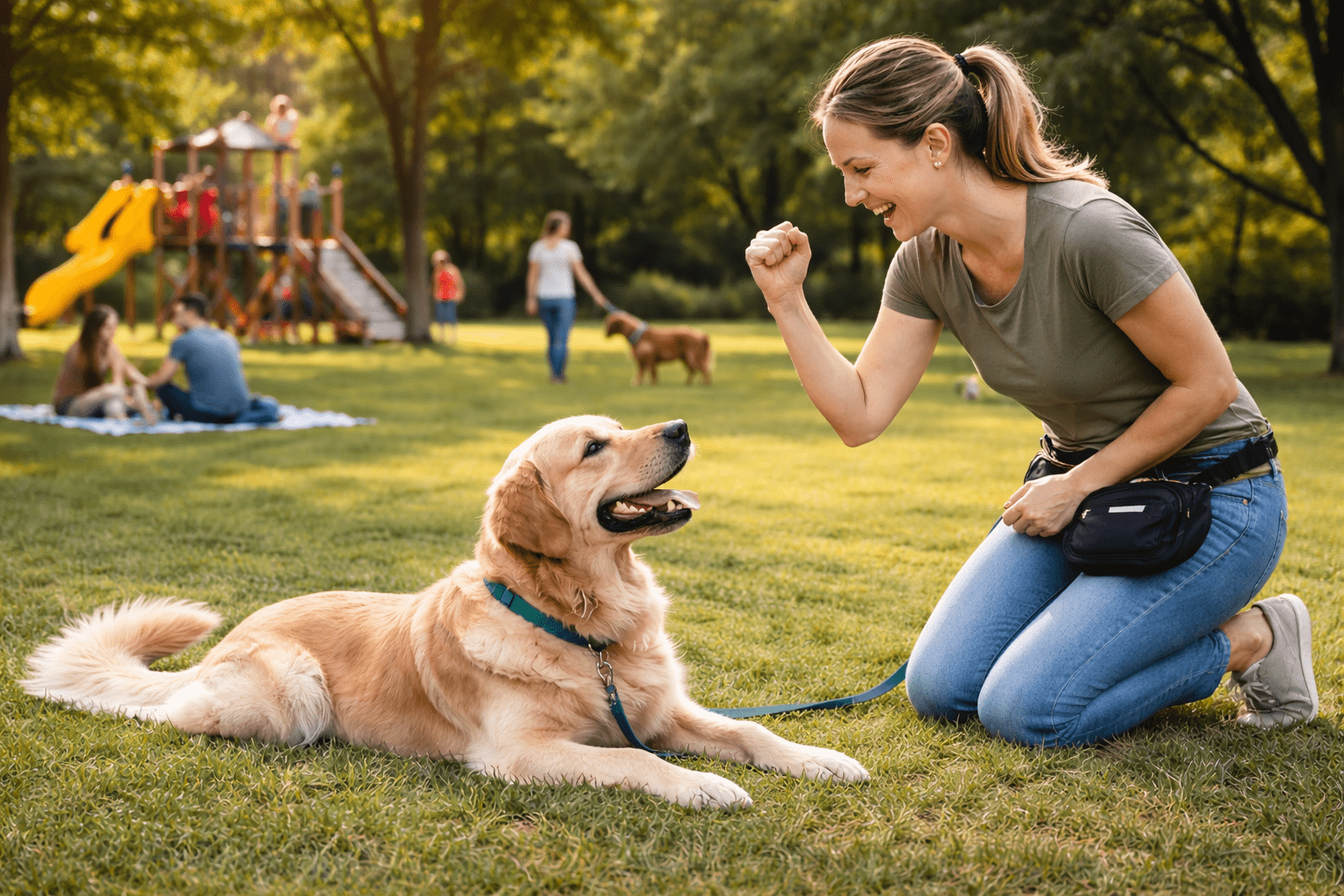
Loose-leash walking is a skill. The goal is a soft U-shape in the leash. Your puppy should check in often and walk by your side or a little ahead without pulling.
Core steps:
- Pick a side. Keep it the same.
- Lure three steps with a treat near your knee. Feed on the chosen side.
- Say yes as the leash stays slack. Feed often at first.
- Add turns. Step left or right. Reward when your puppy follows your hip.
- Start reward thinning. Treat every few steps, then every five, then mix it up.
Use real-life rewards:
- Sniff breaks as a reward for slack leash.
- Walk forward as a reward for calm behavior.
- Short play as a jackpot for great focus.
When pulling happens:
- Stop. Wait for the leash to slacken. Mark yes. Move forward.
- Or turn away in a smooth arc. Reward when your puppy catches up.
Front-clip harnesses can help with early pulling. If gait looks off or your puppy bunny-hops, adjust the fit or change the model. Comfort comes first in puppy harness training.
Troubleshooting and behavior tips
Common hiccups in puppy harness training are normal. Here is how to fix them fast.
If your puppy bites the leash:
- Keep the leash short but slack to remove the game.
- Offer a chew or tug toy as a legal outlet.
- Reinforce calm stands. Pay for looking at you.
If your puppy freezes in the harness:
- Go back a step. Unclip and re-pair the harness with treats.
- Use very short wear times. Praise every tiny try.
- Add movement games. Toss a treat a step away. Let your puppy chase and win.
If you see rubbing or hair loss:
- Adjust straps to clear the armpits.
- Add padding or change to a Y-front style.
- Take rest days to let the skin heal.
If your puppy pulls hard outside:
- Train in a low-distraction spot first. Parking lots can wait.
- Use higher value treats. Think chicken or soft training bites.
- Keep sessions short. End on a win.
From my own work with a shy herding pup, stepping back one whole week saved us time. We slowed down, fed many small treats, and let him sniff between reps. Two weeks later, he trotted at my side with a happy tail. Going slow is often the faster path in puppy harness training.
Source: co.nz
Proofing puppy harness training in the real world
Proofing means your puppy can do the skills anywhere. Add one challenge at a time. Keep your puppy under threshold so they can think and learn.
Build layers:
- New places. Back yard, then quiet street, then park.
- New times. Early morning before crowds, then early evening.
- New sounds. Distant kids, bikes, leaf blowers, traffic.
- New surfaces. Grass, gravel, metal grates, wood decks.
Use the three Ds:
- Distance. Start far from triggers. Move closer when your puppy stays calm.
- Duration. Keep behaviors short at first. Extend slowly.
- Distraction. Add only one new distraction when the first two Ds feel easy.
If your puppy loses focus, make it easier. Add distance. Raise treat value. Lower duration. Puppy harness training wins come from smart changes, not force.
Safety, health, and ethics in puppy harness training
Safety first. Check the harness each use. Look for frayed straps, loose stitches, or bent rings. Replace worn parts right away.
Health notes:
- Puppies tire quickly. Keep walks short by age. A rule of thumb is several short walks rather than one long trek.
- Watch heat. Asphalt can burn pads. Test with your hand.
- If your puppy coughs or pants hard, stop and rest. Call your vet if it keeps up.
Ethics and welfare:
- Use rewards. Food, play, and sniffing build trust.
- Avoid pain-based tools. They can raise fear and aggression risks.
- Read body language. Soft eyes, loose tail, and easy movement mean good. Tucked tail, whale eye, or freezing mean you should slow down.
Puppy harness training should feel like a team sport. Your puppy should choose to engage. Choice builds confidence and keeps learning strong.

Source: walmart.com
Gear checklist and a simple training schedule
Essentials for puppy harness training:
- Two well-fitted harnesses for growth and backups.
- Four to six foot leash. A light biothane or nylon works well.
- High value treats in a pouch for fast rewards.
- Clicker or a clear verbal marker like yes.
- Poop bags and a water bottle with a small bowl.
Sample two-week schedule:
- Days 1 to 3. Build love for the harness. Very short clips on and off. Indoors only.
- Days 4 to 7. Harness on for a few minutes. Add leash in a quiet room. Practice loose-leash steps.
- Week 2. Move to the porch, then the yard, then a quiet street. Keep sessions short. End on success.
- Ongoing. Rotate routes. Add new places once or twice a week. Keep rewarding check-ins.
Track progress. Note wins and sticky spots. Logs help you adjust fast and stay steady with puppy harness training.
Frequently Asked Questions
When should I start harness training my puppy?
Start as soon as your puppy comes home and has settled in. Short, reward-based sessions work best in the first week.
How long can my puppy wear a harness each day?
Use it for training and walks, then remove it to rest the skin. Check for rubbing and give breaks between sessions.
What treats work best for puppy harness training?
Use small, soft, high value treats like chicken or cheese. Keep them tiny so you can give many without filling your puppy up.
Is a front-clip or back-clip harness better?
Front-clip helps with early pulling and steering. Back-clip is simple and comfy for calm walkers or later stages.
What if my puppy hates the harness?
Go slower and make the harness predict great things. Pair it with treats and games, and keep sessions very short.
Can I use a retractable leash with a harness?
Avoid retractable leashes during training. They teach constant tension and can make pulling worse.
How do I stop my puppy from chewing the harness?
Supervise when the harness is on. Offer a chew toy and reward calm behavior to prevent mouthing.
Conclusion
Puppy harness training is a simple, kind path to safe, happy walks. Start small, fit the harness well, reward often, and keep sessions short. Add new places only when your puppy is ready.
Your next step is to pick a soft, adjustable harness and run the first three sessions today. You will see progress fast. Want more step-by-step help? Subscribe for weekly training plans, or share your questions in the comments so we can guide you.