How To Keep A Dog Calm On Long Road Trips Without Medication in 2026
Use training, routine, safe gear, and enrichment to keep dogs calm naturally without medication.
If you want to know how to keep a dog calm on long road trips without medication, you are in the right place. I’ve helped anxious puppies, seasoned seniors, and many rescues travel better using training, smart setups, and simple routines. This guide blends hands-on experience with proven behavior methods, so you can drive with confidence and arrive with a wagging tail.

Source: chewy.com
Understand Your Dog’s Stress Triggers
Every calm road trip starts with insight. Dogs get stressed by motion, new smells, engine noise, heat, and tight spaces. Some show it by panting or drooling. Others whine, pace, bark, or try to escape. Notice when your dog tenses up. Is it before the car starts, or only on highways?
There is a big difference between nausea and anxiety. Nausea looks like drooling, lip licking, and gulping. Anxiety looks like shaking, yawning, and restless shifts. If you learn to spot these, you can act fast. This is the foundation of how to keep a dog calm on long road trips without medication.
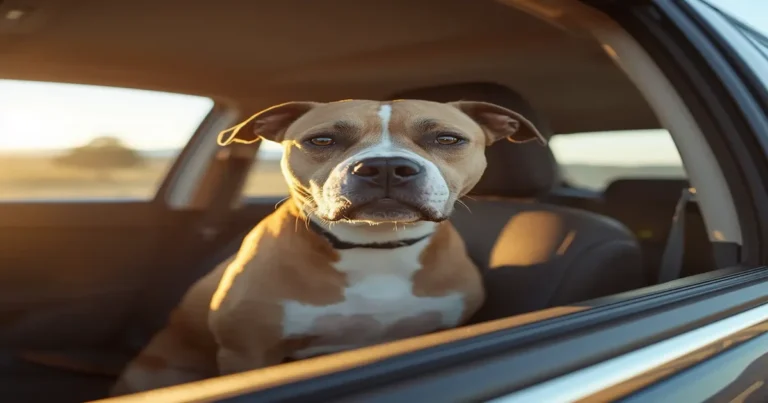
Watch body language during short practice rides. Soft eyes, relaxed ears, and a loose mouth mean you can add time or speed. Whale eye, pinned ears, or refusal to get in the car mean you should slow down. A gentle plan beats a rushed one every time.

Source: purepawsvet.com
Training Foundations Weeks Before You Go
A calm trip is built at home. The car should predict comfort, not chaos. Use simple steps and repeat them in short sessions.
Try this plan over two to four weeks:
- Park-and-chill sessions. Sit in the car, engine off. Feed treats. Keep it short and sweet.
- Engine on, but not moving. Offer a chew. End while your dog is calm.
- One-minute drives. Then five. Then ten. Vary routes. Always end with praise or play.
- Teach a settle cue on a mat. Reward quiet on the mat. Move the mat into the car later.
- Crate or harness training. Let the gear predict snacks, not stress.
- Pair the car with great stuff. A stuffed food toy your dog only gets in the car is gold.
On a 900-mile move with a shy rescue, these steps cut whining by more than half in one week. The big win came when we slowed down our plan and paid for calm every 10–20 seconds. This is the heart of how to keep a dog calm on long road trips without medication.
Source: lolahemp.com
Gear and Setup That Promote Calm
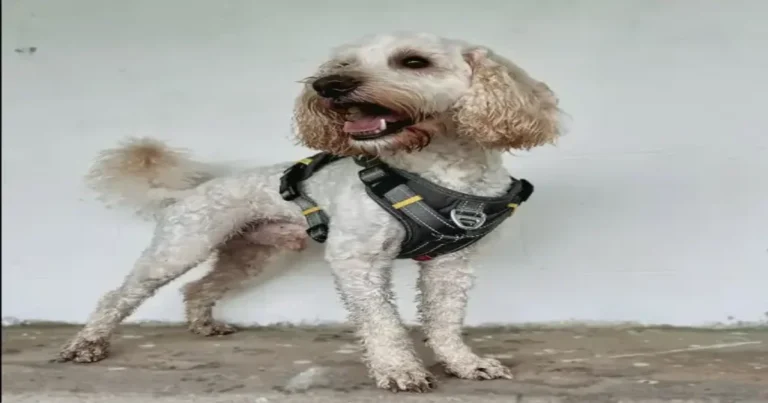
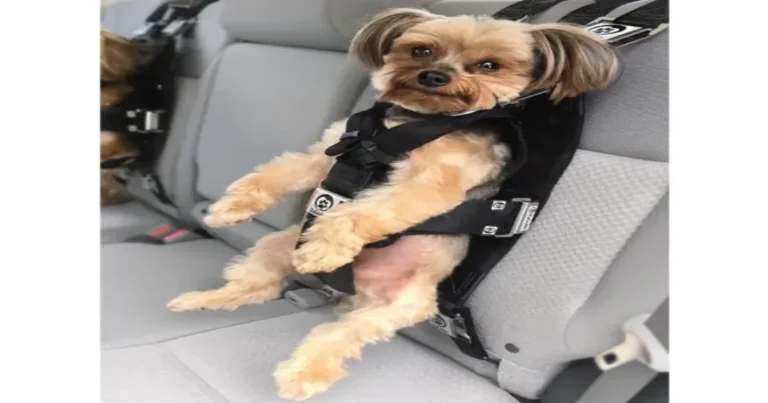
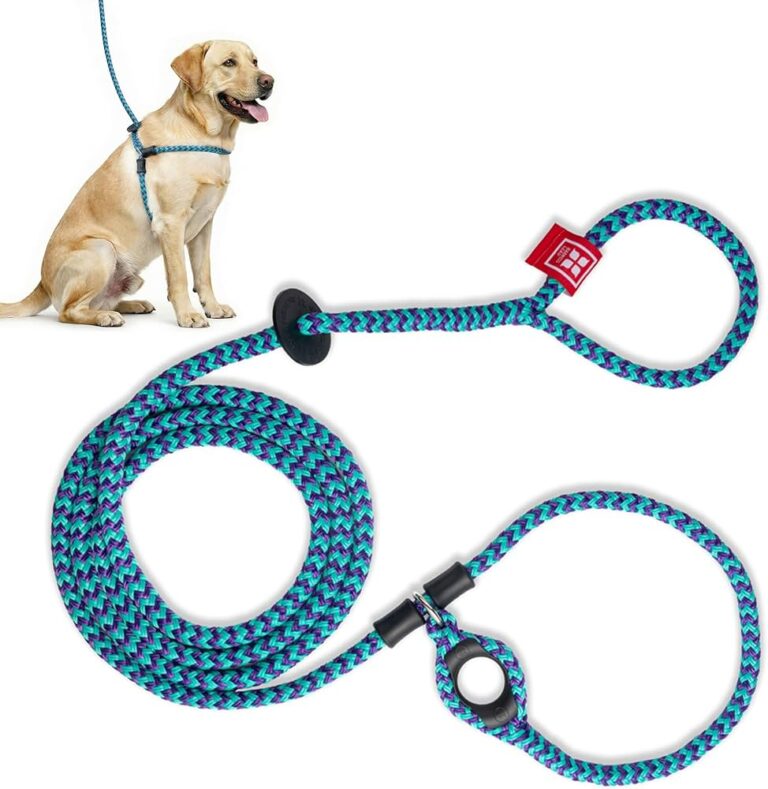
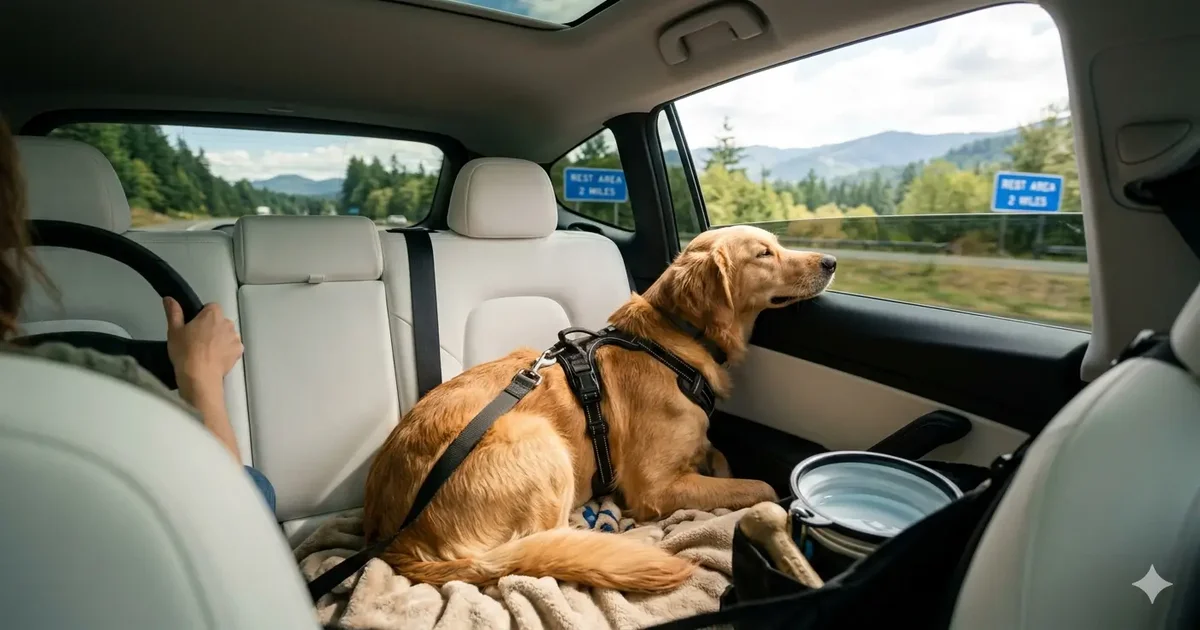
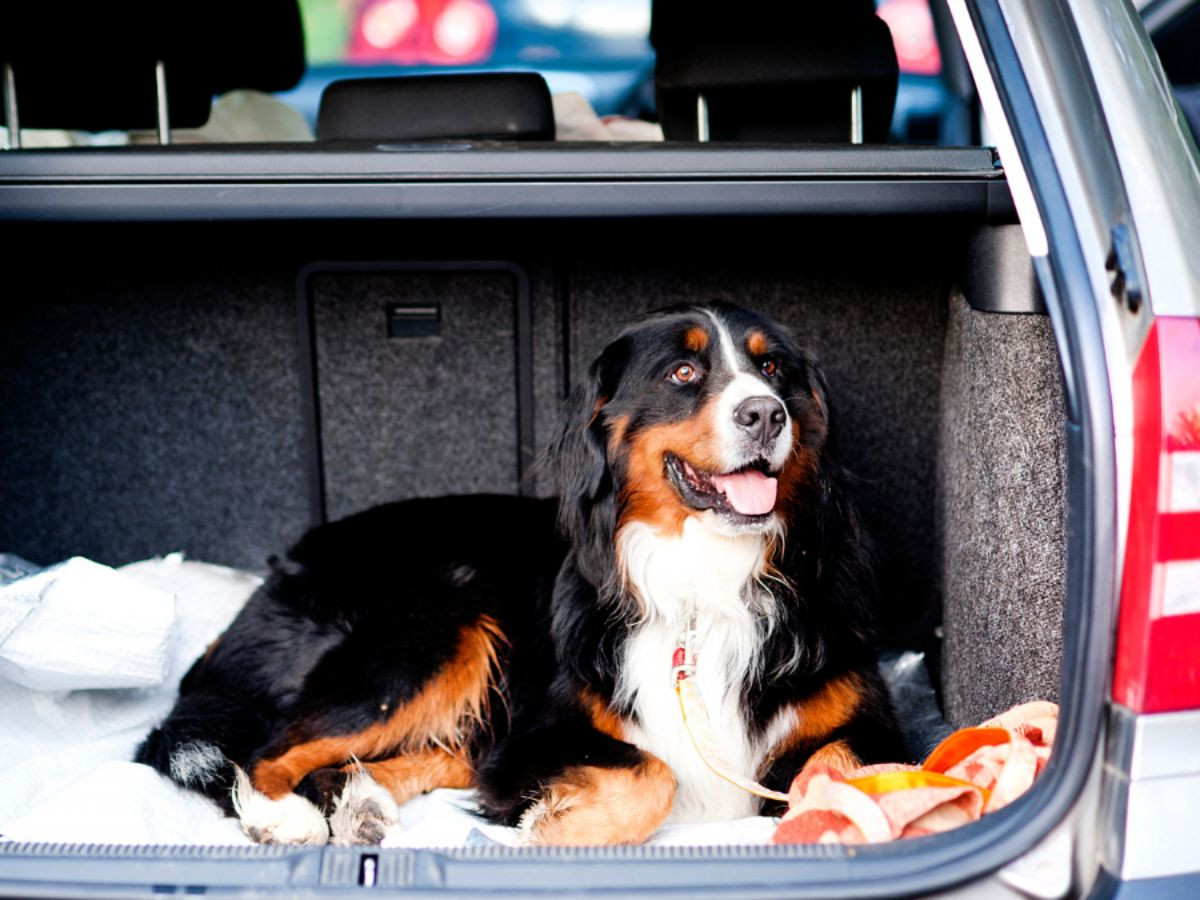
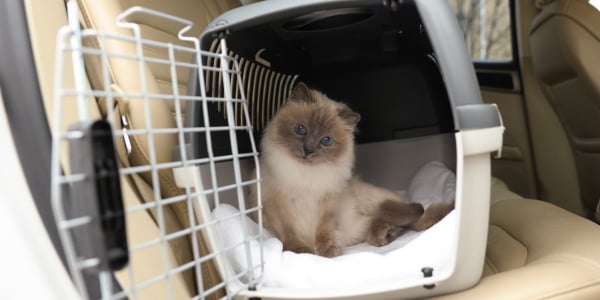
Your setup should feel safe and steady. Loose dogs can slide, which raises stress. Use crash-tested crates or a sturdy car harness with a short seat-belt tether.
Key setup tips:
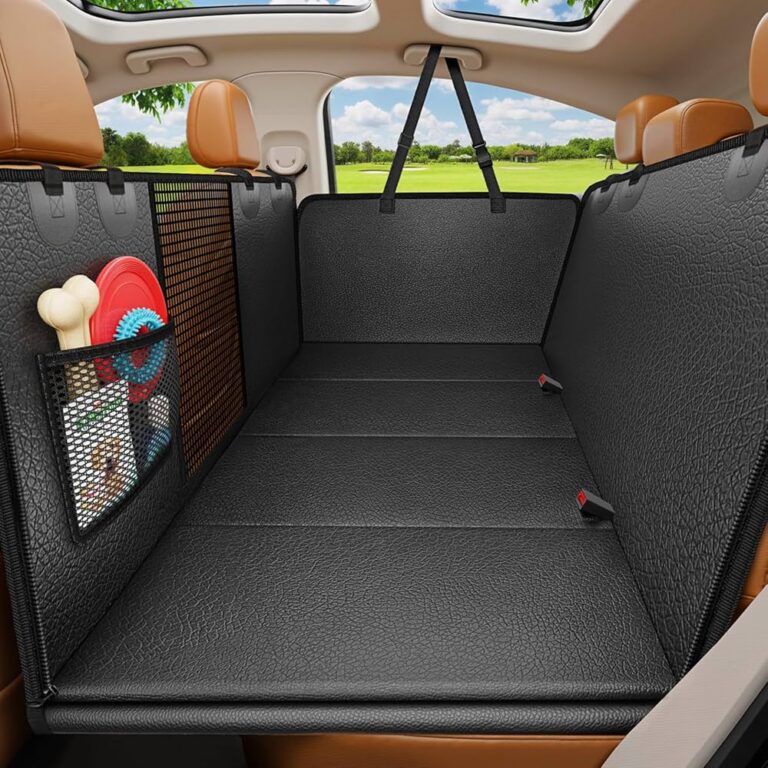
- Choose the right spot. Most dogs ride calmer in the back seat or cargo area.
- Make it cozy. Add a non-slip bed, a familiar blanket, and a known chew.
- Block bright sun. Use window shades to reduce heat and glare.
- Control airflow. Keep the cabin cool. Light airflow helps with motion cues.
- Add white noise or soft music. Think steady, low-volume sound to mask traffic.
- Keep water handy. Use a no-spill bowl and offer sips at stops.
These changes reduce surprises and motion. They also support how to keep a dog calm on long road trips without medication by making the car feel like a den.
Source: vets-now.com
Day-Of Routine: Start Calm, Stay Calm
Great trips start hours before the drive. Routine keeps stress low. Think exercise, light food, and a smooth launch.
Do this on travel day:
- Give a brisk walk or sniff session. Aim for calm tired, not wiped out.
- Feed a smaller meal 3–4 hours before you leave. A full stomach can upset.
- Pack high-value chews and a frozen food toy. Use safe, xylitol-free spreads.
- Plan stops every 2–3 hours. Build them into your route.
- Keep greetings low-key. Calm in equals calm out.
This is a simple way to practice how to keep a dog calm on long road trips without medication. It keeps your dog’s system steady, which pays off mile after mile.

Source: amazon.com
During the Drive: Tactics That Work
Small tactics add up fast. Drive smooth. No sharp turns. Gentle braking. Let the road feel like a lullaby.
Use these ideas in the car:
- Offer a long-lasting chew at the start. Then space out rewards every 20–30 minutes.
- Play calm music. Studies suggest classical or soft reggae can ease stress.
- Use a pheromone spray on bedding 10 minutes before loading the car.
- Keep windows cracked for fresh air, but no heads out the window.
- Speak in a calm voice. Praise often when your dog is relaxed.
Should my dog ride in the front seat?
Airbags can harm dogs. The safest place is the back seat with a harness or a secured crate. Keep it steady and low for better balance.
Is a crate or harness better?
Both can work. Crates help dogs who like dens and reduce visual triggers. Harnesses suit dogs who settle well on a seat and need more space.
How often should I stop on long trips?
Plan a break every 2–3 hours. Offer water, a short walk, and a chance to sniff. Keep stops predictable and calm.
These simple steps are core to how to keep a dog calm on long road trips without medication. They rely on routine and learning, not pills.
Source: ucdavis.edu
Natural, Non-Drug Calming Aids
No meds needed does not mean no help. Some natural aids can support training and comfort. Always test new things at home first.
Helpful options:
- Pheromone products. Sprays or collars can mimic soothing scents and may reduce stress.
- Pressure wraps. Snug vests can help some dogs relax through gentle pressure.
- Calming music. Use a playlist of slow, steady tracks to buffer noise.
- Lick mats and frozen Kongs. Licking and chewing lower arousal.
- Light scent. A tiny bit of dog-safe lavender on a cloth, far from the nose, may help. Use sparingly and test first.
- Gentle massage. Slow strokes along the shoulders and chest can settle breathing.
Talk with your vet before trying herbs or supplements. Ginger and chamomile are common, but even “natural” options need care. When in doubt, skip it. Behavior and routine do most of the work in how to keep a dog calm on long road trips without medication.
Source: preventivevet.com
Handling Common Problems On The Road
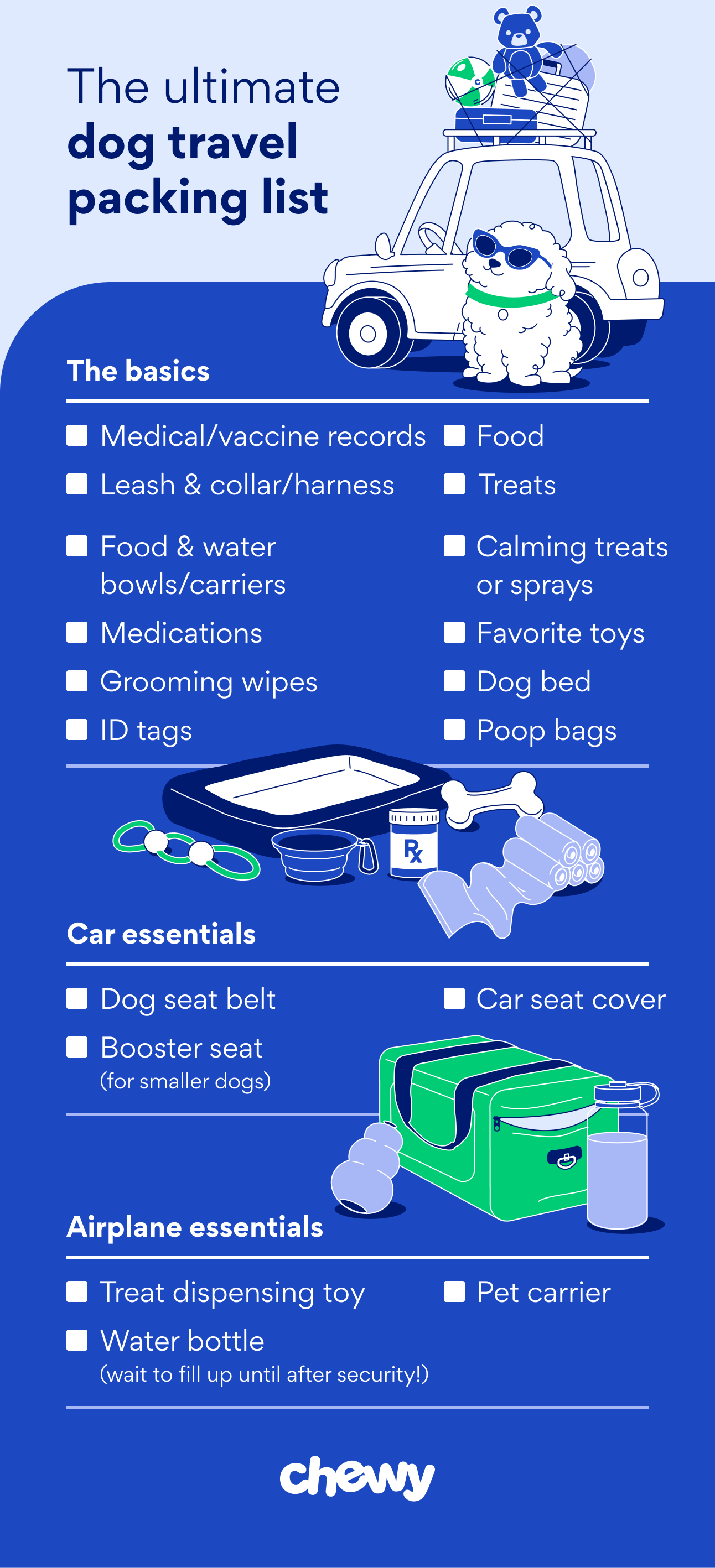
Even with training, bumps happen. Be ready with a plan. Pack extra towels, bags, wipes, and a backup leash.
Common issues and fixes:
- Whining or pacing. Stop, potty, and do a 5-minute sniff walk. Then reduce visual load with a crate cover or shades.
- Drooling. Improve airflow. Offer a small water sip. Move the crate lower and more forward in the vehicle.
- Vomiting. Drive smoother and avoid sharp moves. Feed smaller, earlier meals. Ask your vet about non-drug strategies for motion support.
- Barking at traffic. Use a visual barrier. Start a steady stream of tiny treats when cars pass, then fade as calm returns.
- Restlessness at night. Add a night stop with a longer decompression walk. Keep the evening low-key.
These steps keep the focus on comfort and learning. They also align with how to keep a dog calm on long road trips without medication and maintain trust.
Source: chewy.com
Arrival And Recovery Routines
How you finish matters. Land soft. Keep things simple and safe when you arrive.
Follow this pattern:
- Unload in a quiet spot. Clip the leash before opening doors.
- Offer water and a potty break. Then a slow sniff walk.
- Set up the same bed and blanket from the car or home.
- Keep food light at first. Watch for signs of tummy upset.
- End the day with a calm massage and praise.
A smooth landing reinforces how to keep a dog calm on long road trips without medication. Your dog learns that travel leads to comfort, not chaos.
Mistakes To Avoid
A few common errors can undo your hard work. Skip these traps and you will see better results.
Avoid:
- Skipping practice drives. A single long trip with no prep is a recipe for stress.
- Overfeeding before departure. Heavy meals plus motion can cause nausea.
- Letting your dog roam loose. It is unsafe and builds anxiety.
- Pushing through signs of stress. Short stops now save time later.
- Changing too much at once. Keep the gear, routine, and rewards steady.
- Ignoring heat. Cars warm fast. Keep the cabin cool at all times.
These are simple ways to honor how to keep a dog calm on long road trips without medication. They keep your plan clean and kind.
A Simple Checklist And Sample Travel Day Plan
A clear plan keeps everyone calm. Use this quick checklist and template on trip day.
Pre-trip checklist:
- Exercise, potty, and a light meal
- Crate or harness, fitted and tested
- Bed, blanket, chews, and a frozen food toy
- Water, no-spill bowl, and cleanup kit
- Window shades, white noise or music
- Route with breaks every 2–3 hours
Sample day plan:
- T-180 minutes: Light meal, then rest
- T-60 minutes: Brisk walk and sniff time
- T-20 minutes: Load gear, spray bedding if using pheromones
- T-10 minutes: Load dog, offer a chew, start music
- On the road: Smooth driving, praise calm, water at stops
- Every 2–3 hours: Potty, stretch, short sniff walk, reset chew
- Arrival: Quiet unload, water, potty, calm setup
Use this flow to practice how to keep a dog calm on long road trips without medication. Adjust times to fit your dog.
Frequently Asked Questions of How To Keep A Dog Calm On Long Road Trips Without Medication
How early should I start training for a long trip?
Start two to four weeks ahead if you can. Short, daily sessions beat long, rare ones.
What should I feed my dog before a long car ride?
Offer a smaller meal 3–4 hours before you leave. Bring simple treats for calm and training on the road.
Can I use essential oils to calm my dog in the car?
Use great care. Many oils are too strong for dogs. If you try one, keep it very light, test at home, and never apply near the nose.
How long can my dog stay in the car at rest stops?
Do not leave your dog alone in the car. Heat builds fast, even on mild days. Take your dog with you and keep breaks short and safe.
What if my dog still gets car sick after training?
Talk with your vet about non-drug supports and driving tweaks. You may need to adjust seat position, airflow, and meal timing.
Conclusion
You can build a calm road trip without pills by stacking small wins. Train early, set up safe gear, drive smooth, and reward relaxed moments. Keep breaks steady and arrivals soft, and your dog will learn that the car is a path to good things.
Pick two ideas from this guide and try them on your next short drive. Then add more steps each week. Share your progress, subscribe for more travel tips, and tell me what worked best for your dog.