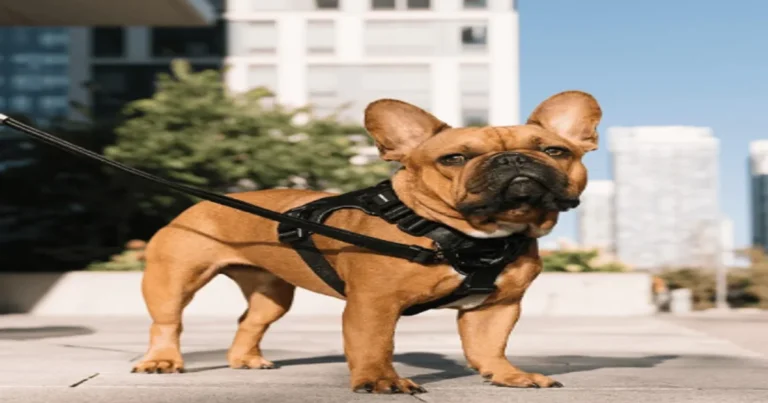
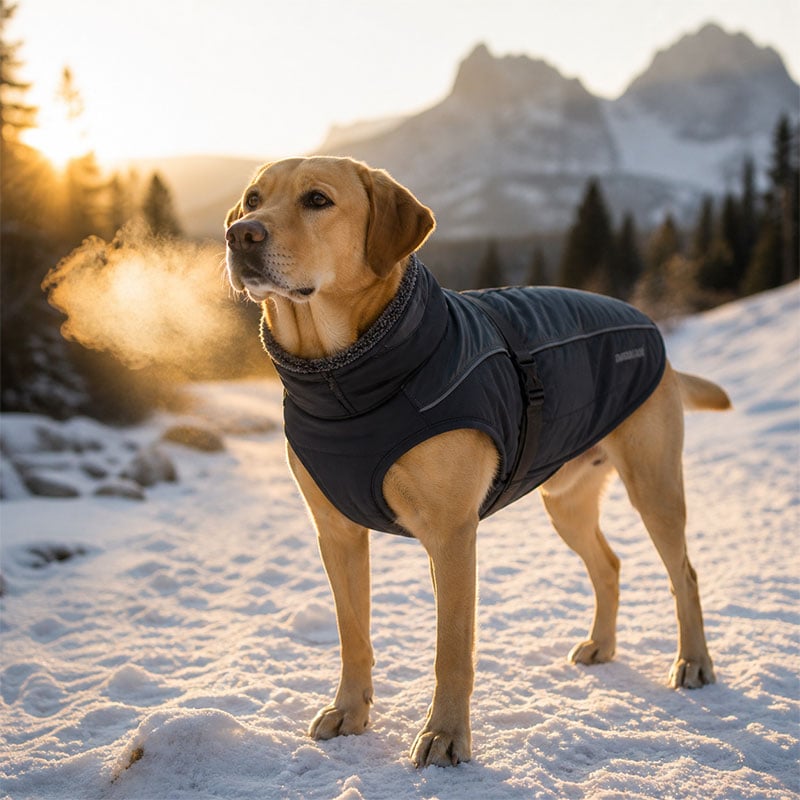
Why Does My Dog Freeze When Wearing A Harness: 7 Easy Fixes
Most dogs freeze in a harness due to fear, poor fit, or sensory overload.
If you have asked Why Does My Dog Freeze When Wearing a Harness? 7 Common Reasons and Easy Fixes, you are in the right place. I work with pet parents every week on this exact issue. You will learn what freezing means, why it happens, and how to fix it with kind, simple steps that work in real life. Expect practical tips, real examples, and a clear plan you can start today.
What Freezing Means And Why It Happens
Freezing is a shut-down response. Your dog stops, stiffens, and holds still. It is not stubborn. It is stress.
Why Does My Dog Freeze When Wearing a Harness? Fear, pain, or conflict can drive the behavior. The harness can feel odd on skin and coat. It can also predict things your dog worries about. Your dog is telling you, “I do not feel safe.”
Look for signs. Watch the ears, eyes, and tail. Check for lip licking, yawns, or a tight mouth. These clues help you pick the right fix.
7 Common Reasons Dogs Freeze In A Harness And Easy Fixes
I often hear, Why Does My Dog Freeze When Wearing a Harness? The answer is rarely one thing. It is a mix of gear, fit, health, and feelings. Here are the top causes I see, plus quick wins you can use today.
1) Novelty and Startle Around New Gear
Some dogs shut down with any new item. The harness feels strange on their body. It moves and makes small sounds.
Easy fixes:
- Leave the harness out with treats near it for a few days.
- Pair the sight of the harness with food, play, or calm touch.
- Let your dog choose to sniff and step toward it.
- Keep early sessions short and fun.
Personal note: A shy rescue in my class stood like a statue on day one. We spent three sessions only feeding near the harness. By week two, she wagged as soon as she saw it.
Why Does My Dog Freeze When Wearing a Harness? Often, it starts here. Novelty is a big stressor for many dogs.
2) Poor Fit or Restricted Movement
A tight strap hurts. A loose strap rubs. A strap over the shoulder can block a normal stride. This feels bad and can teach your dog to stop.
Easy fixes:
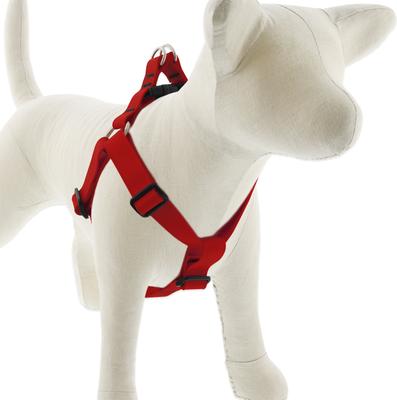
- Use a Y-front design that clears the shoulder.
- Check that you can slide two fingers under every strap.
- Adjust so the front ring sits at mid-chest, not on the throat.
- Test movement. Ask for a few steps. Watch for a smooth gait.
I see freezing vanish the moment the fit is right. Why Does My Dog Freeze When Wearing a Harness? An ill fit is a very common cause.
3) Pain, Skin Irritation, or Underlying Medical Issues
Arthritis, hip pain, or a sore back can make any pressure feel worse. Mats and hot spots under the straps also hurt. The dog stops to avoid more pain.
Easy fixes:
- Book a vet check to rule out pain, ear issues, or skin flare-ups.
- Brush the coat under strap zones. Trim mats with care.
- Add soft padding on contact points. Keep sessions short and gentle.
I once worked with a senior beagle who froze at the door. A pain plan and a padded Y-harness fixed it in one week.
4) Past Negative Associations
If the harness was used right before scary events, your dog may link it to fear. For example, the harness goes on, then loud traffic follows. The dog freezes to cope.
Easy fixes:
- Change the pattern. Harness on, then calm games at home.
- Do short, happy walks in quiet places.
- Feed small treats as the harness goes on and stays on.
Why Does My Dog Freeze When Wearing a Harness? History matters. Change the story your dog tells about the gear.
5) Pressure Without Choice
Some dogs shut down when held or cornered. Fast handling can make them feel trapped. Freeze is the safest option they know.
Easy fixes:
- Teach a start button. Present the harness. Wait for your dog to move toward it. Then proceed.
- Use a chin rest or nose touch to guide steps.
- Let your dog move away. Respect no.
Choice builds trust. I have seen “statues” turn into eager helpers in a few sessions.
6) Sensory Overload Outdoors
The harness predicts the outside world. Loud sounds, fast bikes, or crowds can overwhelm your dog. The harness is the first cue, so the body freezes.
Easy fixes:
- Harness on, treats, then stay indoors and relax.
- Step to a quiet porch. Reward calm looks at the world.
- Build up time outside slowly. Keep distance from triggers.
Why Does My Dog Freeze When Wearing a Harness? Sometimes the walk itself is the worry, not the gear.
7) Leash Pressure and Mixed Signals
Some dogs freeze when they feel tension on the leash. Others stop when asked to move and pull at the same time. The signals clash, so they pause.
Easy fixes:
- Use a light, smooth leash. Keep slack when the dog moves forward.
- Reward even one step with slack.
- Teach a “Let’s go” cue and pay for response.
A small change in leash handling can flip the switch from still to go.
How To Choose The Right Harness
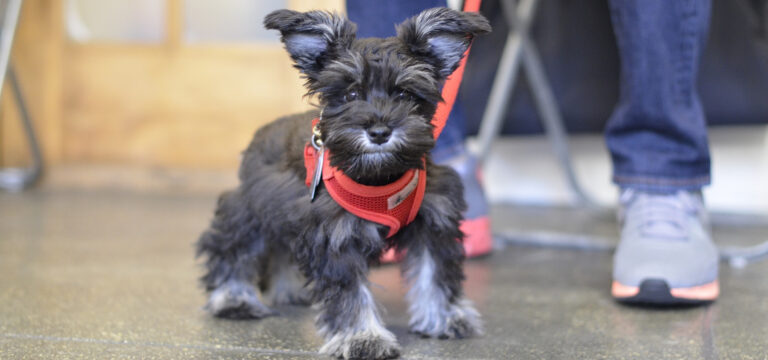
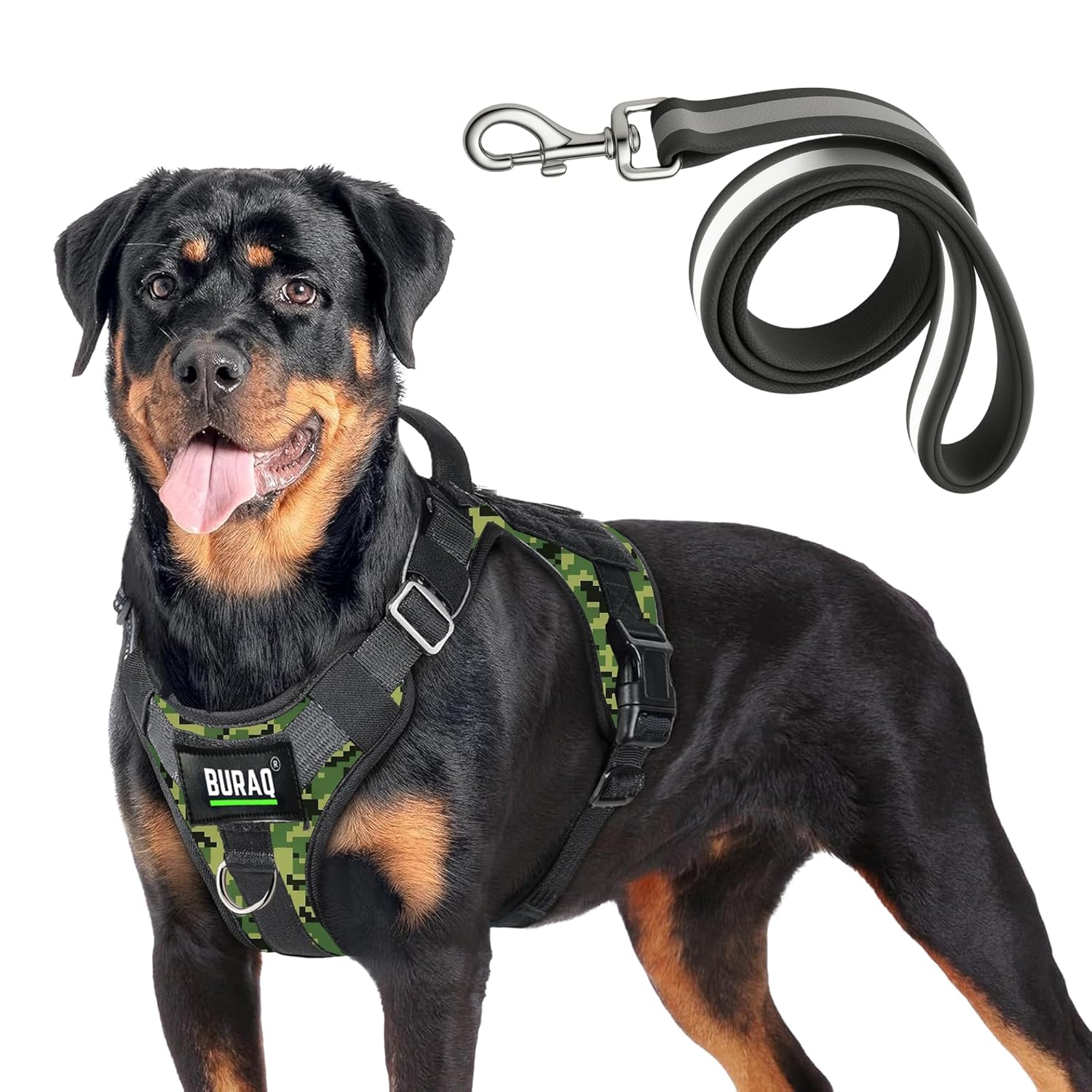
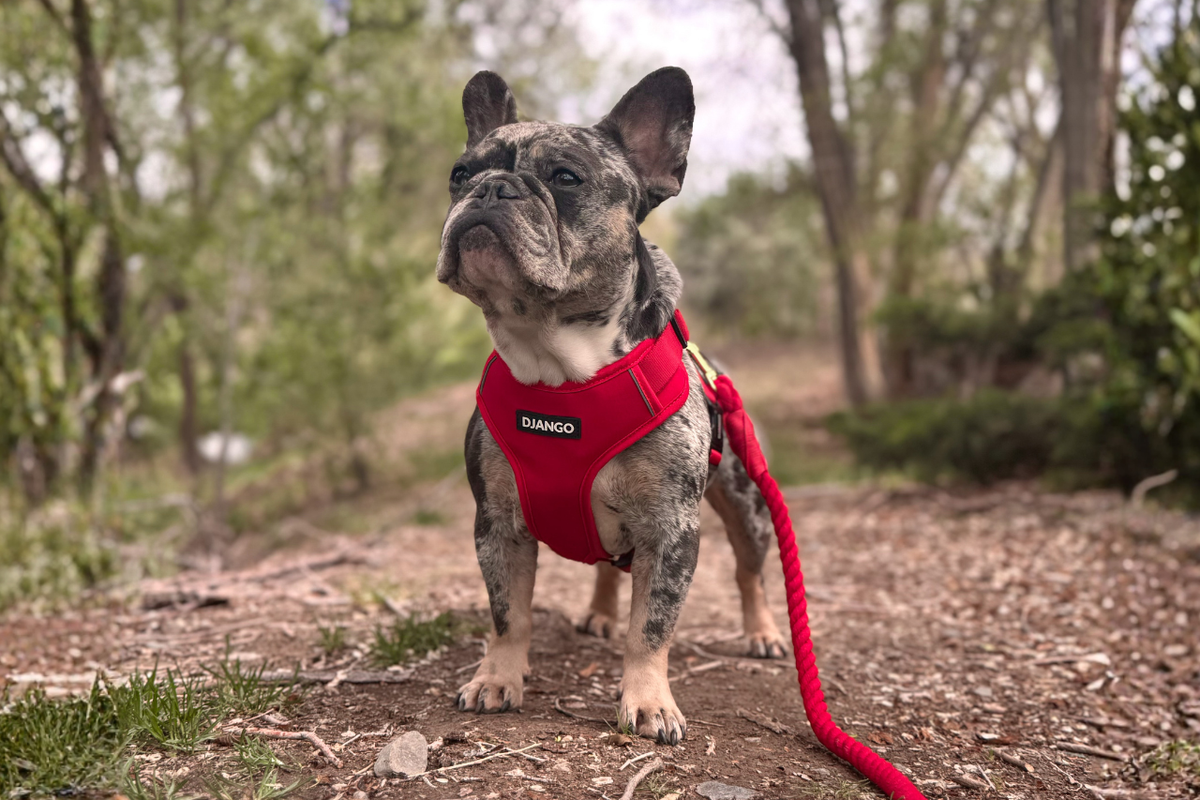
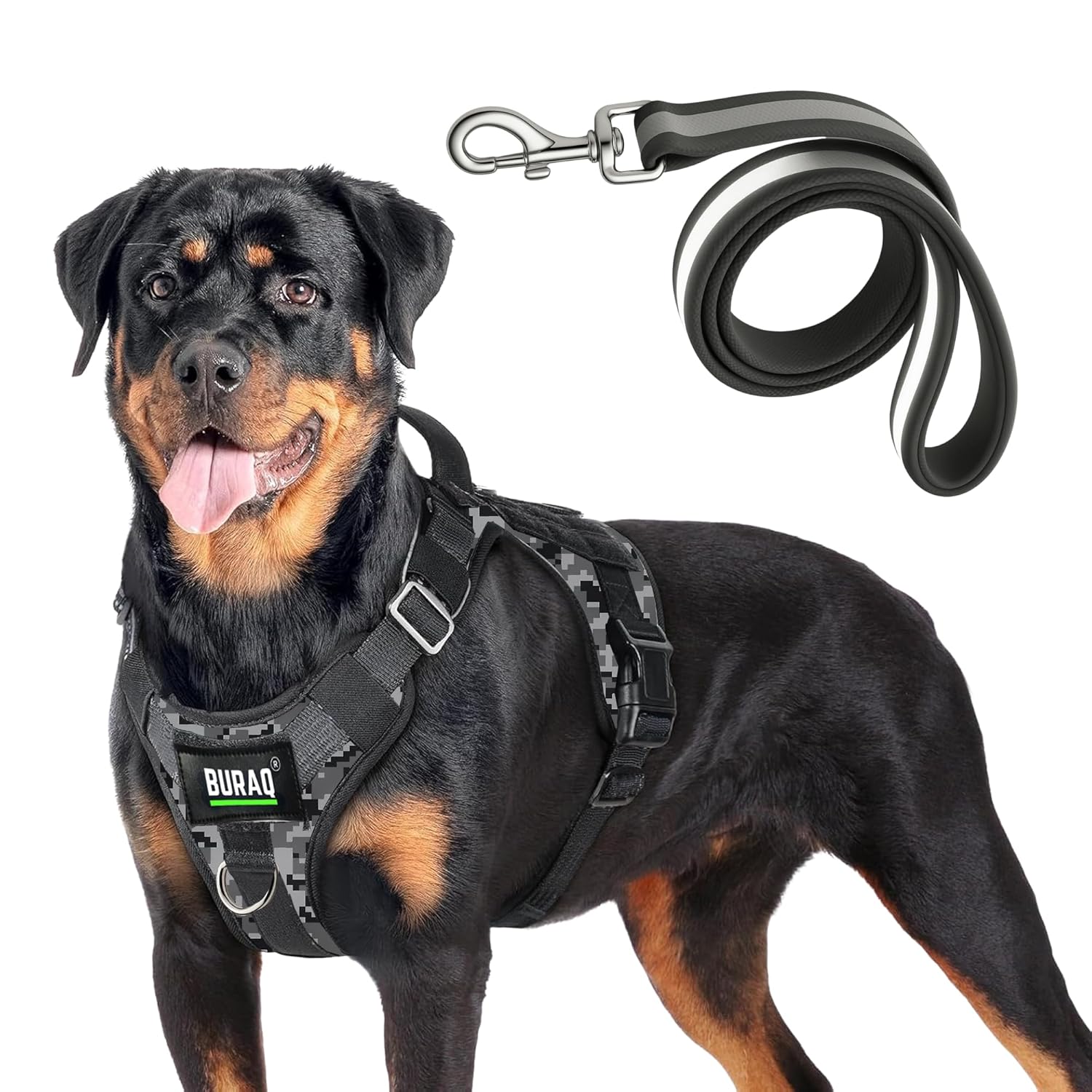
The right harness feels light, fits well, and allows a full stride. Aim for a Y-front design with good adjust points. Look for smooth webbing and soft edges. Check that metal parts do not press on bone.
Why Does My Dog Freeze When Wearing a Harness? The wrong design can cause that freeze. Switch to gear that fits the body your dog has.
Key features to look for:
- Y-front or H-style that clears shoulder blades
- Two to four adjust points for neck, chest, and girth
- Front and back clips for flexible leash set-up
- Light weight for small dogs, wider straps for big chests
- Breathable padding that does not hold heat
Fit checklist:
- Two fingers under every strap with ease
- Chest strap sits across the sternum, not the throat
- No rubbing behind the elbows
- Dog can trot with a long, easy stride
Source: funnyfuzzy.com
A Step-By-Step Desensitization And Counterconditioning Plan
Why Does My Dog Freeze When Wearing a Harness? A careful plan beats force. Use small steps. Pay well. Keep sessions short.
Follow these steps:
- Show the harness. Feed 3 to 5 treats. Put it away.
- Hold the neck hole still. Feed for nose pokes. Remove it before your dog backs off.
- Slip the neck hole on for one second. Treat as you remove it.
- Rest the body straps on for two seconds. Treat, then remove.
- Clip one buckle. Feed. Unclip. Repeat slowly.
- Clip all buckles. Feed. Remove after one to two seconds.
- Walk one step. Feed. Remove gear.
- Add steps and time over days. Keep your dog under threshold.
Helpful games:
- Treat scatter after the harness goes on
- Nose target to guide forward steps
- Mat settle with harness on for calm rests
Session tips:
- Train in a quiet room first
- Aim for two to three minutes max
- Stop while your dog still wants more
Source: chewy.com
Leash Skills That Prevent Freezing
Why Does My Dog Freeze When Wearing a Harness? Leash tension can be a big piece. Teach smooth starts and easy movement.
Try these skills:
- Start button. Present the harness. Wait for a nose touch. Then clip in.
- Let’s go cue. Say it once. Mark the first step. Feed.
- Follow me game. Walk back a step. Reward when your dog follows.
- Reinforce slack. Pay often when the leash droops.
Use tiny rewards. One step earns one treat. Build chains of steps over time. Keep the walk light and calm.

Common Mistakes To Avoid
Why Does My Dog Freeze When Wearing a Harness? Many owners rush. That makes things worse.
Avoid these errors:
- Forcing the harness on a rigid dog
- Luring with food while your dog leans away
- Pulling on the leash to “unstick” your dog
- Skipping a vet check when pain is likely
- Ignoring coat care under the straps
Remember, you cannot bribe fear. You must change the feeling first.
When To See A Vet Or Certified Behavior Professional
Why Does My Dog Freeze When Wearing a Harness? If you see pain or panic, get help. Some cases need medical care or a custom plan.
Red flags:
- Yelps, flinches, or snapping when you touch the harness area
- Lameness or a short, choppy gait
- Skin sores, mats, or hair loss under straps
- Freezing plus heavy panting, shaking, or dilated pupils
Your vet can check joints, skin, and fit. A behavior pro can guide desensitization and leash work. Early help saves time and stress.

Frequently Asked Questions of Why Does My Dog Freeze When Wearing a Harness? 7 Common Reasons and Easy Fixes
Is freezing the same as stubbornness?
No. Freezing is a stress or conflict response. Your dog is not defiant; they need safety and clear steps.
How long does training take to fix freezing?
Many dogs improve in one to two weeks with daily short sessions. Complex cases or medical issues may take longer.
Should I switch to a collar instead?
A collar can strain the neck and does not fix fear. A well-fit Y-front harness with gentle training is safer.
Can a front-clip harness cause freezing?
It can if it blocks shoulder motion or rubs. Choose a design that fits well and check stride.
Why Does My Dog Freeze When Wearing a Harness? Will treats make it worse?
Treats do not reward fear. They change the emotion linked to the harness and help your dog feel safe.
What size harness should I buy for a growing puppy?
Pick an adjustable model with room to expand. Recheck fit weekly as your puppy grows.
My dog freezes only outside. What should I do first?
Train indoors until your dog is happy in the harness. Then add quiet outdoor spots with distance from triggers.
Conclusion
Freezing is your dog’s way of saying, “I am not okay.” Now you know the main causes, the right gear, and the simple steps that work. Start small, go slow, and pay well. You can turn the harness from a worry into a happy cue.
Set a goal for this week. Fit-check the harness, start the step-by-step plan, and log one tiny win each day. Share your progress or ask a question in the comments. Subscribe for more kind, evidence-based tips that help your best friend thrive.