No-Pull Dog Harness: 7 Powerful Benefits Owners Need
A no-pull dog harness reduces pulling, protects the neck, and makes walks calm.
If you crave smooth walks, this guide is for you. I work with dogs and their people every week. I see what a no-pull dog harness can do in real life. Here, I break down the 7 powerful benefits of a no-pull dog harness every owner should know, plus expert tips, mistakes to avoid, and how to choose the right fit for your dog.

Source: happystaffyco.com
What Is a No-Pull Dog Harness and How It Works
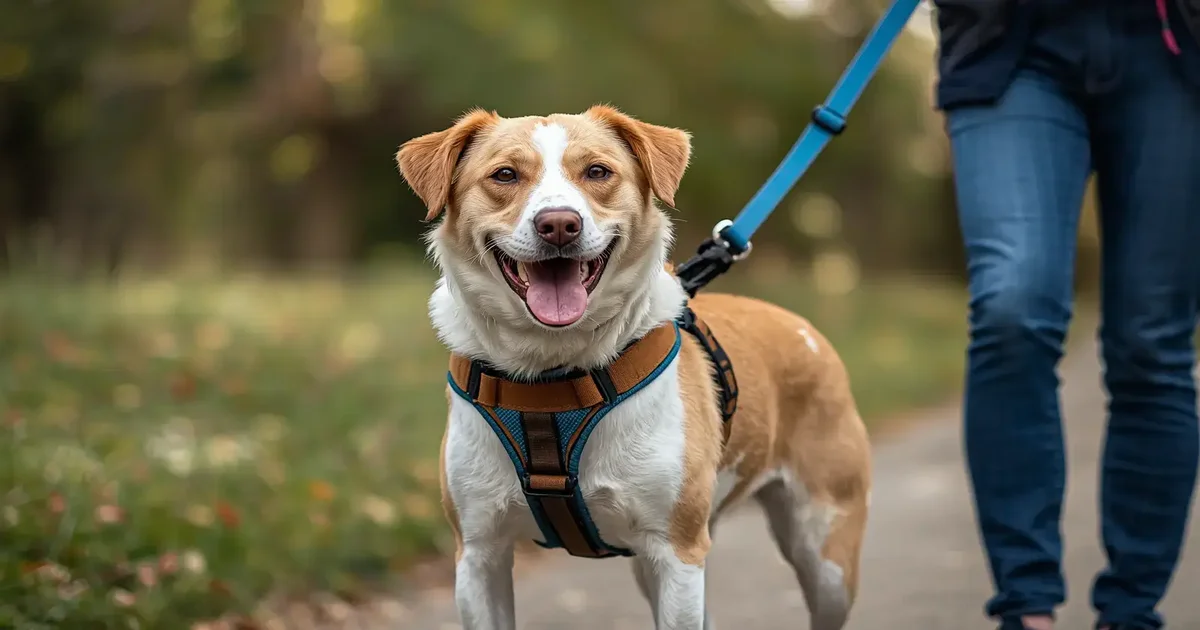
A no-pull dog harness is a body harness that helps curb pulling. It uses front or dual leash clips to guide the chest. When a dog pulls, the harness turns the body back toward you. That change breaks the pulling cycle without pain.
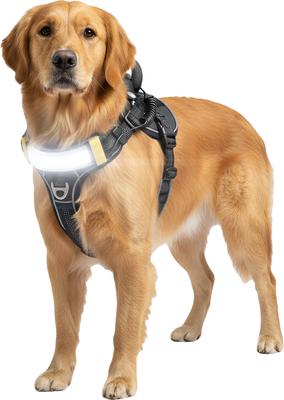
Front-clip designs connect at the chest. Dual-clip models add a back ring for more control. Good models avoid pressure on the trachea and neck. They spread force across the chest and ribs. They also keep the shoulders free to move.
Fit is key. A no-pull dog harness should be snug but not tight. You should slip two fingers under any strap. The front ring should sit high on the chest bone, not on the throat. The belly strap should rest behind the armpits to avoid rub.
Source: chewy.com
The 7 Powerful Benefits of a No-Pull Dog Harness Every Owner Should Know
1) Fast control with less effort
A no-pull dog harness gives instant steering. The front clip redirects force to the side. You get control with a light leash. This cuts the chance of a tug of war on every block.
2) Protects the neck and spine
Collars can press on the trachea when a dog lunges. That can irritate the airway and neck. A no-pull dog harness moves load to the chest. This reduces strain on the throat and the cervical spine.
3) Supports loose-leash training
Training sticks when the gear helps. A no-pull dog harness lowers leash tension. Your cues stand out. You can reward calm steps and build a new habit. Over time, the dog learns that a loose leash pays.
4) Safer walks for you
Pulling can hurt your shoulder or wrist. It can cause trips or falls. With a no-pull dog harness, force is lower and smoother. You stay upright and safe, even with a big, strong dog.
5) Comfort for many body types
Many dogs have wide chests or short muzzles. Some breathe better with less neck pressure. A no-pull dog harness suits brachycephalic breeds, seniors, and growing pups. The right Y-shaped design keeps shoulders free and comfy.
6) Better focus in busy places
The front ring helps you pivot attention back to you. In crowds or around bikes, you can guide your dog fast. A no-pull dog harness makes it easier to pass triggers with space and calm.
7) Kinder, more humane handling
There is no need for harsh tools. A no-pull dog harness uses body mechanics, not pain. It lets you teach with praise and food. That builds trust and a strong bond.

Source: devildogpetco.com
Choosing and Fitting the Right No-Pull Dog Harness
The best no-pull dog harness fits your dog’s shape and job. Look for a padded chest plate and a Y front that clears the shoulders. Pick durable webbing with smooth edges. Metal hardware should be rust resistant. Dual clip points add options as training grows.
Measure the widest part of the chest and the neck base. Compare the chart from the maker. If your dog is between sizes, size up. Then adjust.
Do a fast five-point fit check:
- Two fingers fit under every strap.
- The front ring sits on the breastbone.
- The belly strap is two finger widths behind the armpits.
- The shoulder area moves free with no pinching.
- The harness does not twist when the leash tugs.
For strong pullers, use a double-clip leash. Clip to front and back rings. This gives steering plus brakes. It can help while you teach loose-leash skills.
A no-pull dog harness should not be left on all day. Check for rub marks after long walks. Wash the harness often to stop odor and skin issues.
Source: sparkpaws.fr
Training Tips to Maximize Results with a No-Pull Dog Harness
Gear helps, but training seals the win. Start in a quiet spot. Mark and reward one calm step by your side. Repeat and build to three steps, then five. Keep sessions short and fun.
Use these simple methods:
- Stop-and-go. When the leash goes tight, stop. When it is loose, move and praise.
- Reward the check-in. When your dog looks at you, say yes and treat.
- Walk a pattern. Use gentle zigzags or figure-eights. This keeps focus and reduces straight-line sprinting.
If your dog is very aroused outside, warm up indoors first. Practice one minute of loose-leash skills. Then go out and repeat. A no-pull dog harness will help cut pulling while those skills grow.

Source: amazon.com
Safety, Care, and Common Mistakes
Common mistakes are easy to fix:
- Wrong size. Loose straps can chafe and let dogs back out. Measure and adjust before each walk.
- Front ring too low. This can rub the throat. Keep it high on the chest bone.
- Only back-clip use on a puller. Use the front clip for steering until the dog learns.
- Expecting a cure-all. A no-pull dog harness helps, but training makes results last.
- Leaving it on at home. Remove it to prevent snags and skin rub.
Care tips:
- Rinse after beach or muddy hikes. Salt and grit wear webbing fast.
- Air dry out of sun to protect fibers.
- Check stitching and rings each week. Replace if frayed or bent.
If your dog shows leash reactivity, add a behavior plan. Increase distance. Feed for calm sees of triggers. Pair this with your no-pull dog harness for safer reps.
Source: walkeepaws.com
Real-World Results: Case Notes from the Field
A young Lab dragged his owner on every walk. We fitted a snug, Y-front no-pull dog harness and used stop-and-go. Pulling dropped by half in the first session. After two weeks, they walked past kids and strollers with a loose leash.
A small Shih Tzu coughed on a collar. We moved to a padded no-pull dog harness. The cough stopped on walks. The owner felt safer on stairs and in the lobby.
In many cases, a no-pull dog harness shortens the learning curve. It takes strain off the dog and the handler. It turns chaos into calm steps you can reward.

Source: amazon.com
Frequently Asked Questions
Is a no-pull dog harness safe for daily use?
Yes, when it fits well and is used with training. Check for rub spots and adjust straps as your dog moves and grows.
Will a no-pull dog harness stop pulling right away?
You will feel relief fast, but training still matters. Pair the harness with rewards for a loose leash for lasting change.
Front-clip or dual-clip: which should I choose?
Front-clip is great for steering a puller. Dual-clip adds back-up control and works well for big or strong dogs.
Can a no-pull dog harness help with leash reactivity?
It helps you manage motion and space. You still need a plan to change how your dog feels about triggers.
How do I know the fit is correct?
You should fit two fingers under each strap. The front ring should rest on the breastbone, and the harness should not twist when the leash moves.
Will a no-pull dog harness work for puppies?
Yes, with short, fun sessions. Keep the fit gentle and recheck often as your puppy grows.
Can my dog slip out of a no-pull dog harness?
A proper fit lowers that risk. If your dog is a flight risk, choose a model with a third strap behind the ribs.
Conclusion
A no-pull dog harness can change your walks fast. It protects the neck, gives clear control, and supports kind training. With the right fit and simple rewards, you can build loose-leash habits that last.
Take the first step today. Measure your dog, choose a well-built no-pull dog harness, and practice a few calm steps. Share your wins, ask questions, or subscribe for more practical training guides.