How To Stop A Dog From Chewing Their Harness Or Collar: Best Fix In 2026
Stop chewing by fixing fit, adding enrichment, and training calm wear daily.
You love your dog. You do not love the shredded harness on the floor. I help pet parents every week with gear chewing. In this guide on How To Stop A Dog From Chewing Their Harness Or Collar, I share clear steps, tested tools, and real results you can repeat at home.

Source: amazon.com
What Chewing The Harness Or Collar Really Means
Chewing is a message. Your dog is not being “bad.” They are coping or trying to solve a problem. Common roots include teething, boredom, stress, itchy skin, or a poor fit that rubs.
Many dogs learn that chewing gets the harness off. That is a fast reward. Some dogs reach the chest strap when they spin or when the leash adds pressure. Fix the cause first. Then teach a better habit. This is the heart of How To Stop A Dog From Chewing Their Harness Or Collar.
- Teething and mouth needs. Young dogs need safe things to gnaw.
- Poor fit or bad design. Straps sit close to the mouth or rub the elbows.
- Frustration or stress. New places and tight gear can feel scary.
- Learned escape. Chew, gear comes off, relief happens.
- Skin, dental, or pain issues. Dogs chew at pressure points if they hurt.
Is chewing the harness a sign of anxiety?
It can be. Watch for lip licking, yawns, pinned ears, or scanning. If stress is high, add slow training and reduce triggers.
Will a dog grow out of harness chewing?
Puppies improve after teething ends. The habit can still stick. Training and good fit stop the cycle sooner.

Source: pawtronicgpsfence.com
Quick Fixes You Can Do Today
- Remove the harness or collar when you cannot watch. Safety first.
- Short, sweet wear sessions. Put it on, feed, play, take it off.
- Tuck or trim extra strap tails. Keep them out of reach.
- Try a front-clip harness for better control and less spinning.
- Test a dog-safe bitter spray on the strap. Use only as a backup.
- Bring a chew on walks. Swap the strap for a toy the second mouthing starts.
- Keep the leash short and slack. Avoid tangles near the mouth.
These moves stop rewards for chewing and buy you time. Use them now while you learn How To Stop A Dog From Chewing Their Harness Or Collar.

Source: amazon.com
Check Fit, Materials, and Design
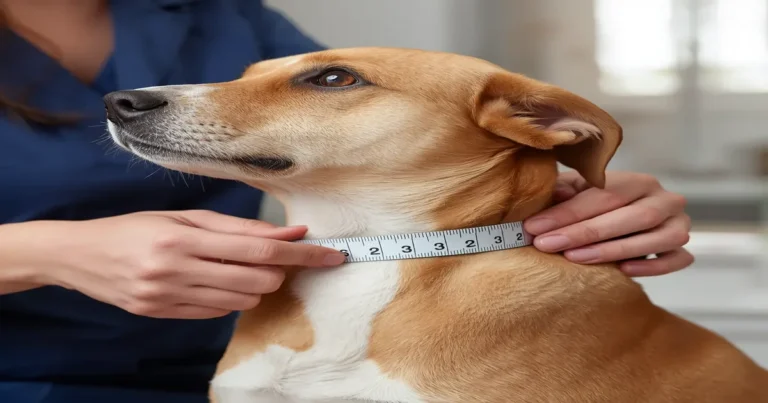
Fit comes first. A good harness sits low on the neck, above the shoulders, and clear of the armpits. You should slide two fingers under any strap. Watch the dog walk, sit, and turn. No rubs. No pinches. No gaping.
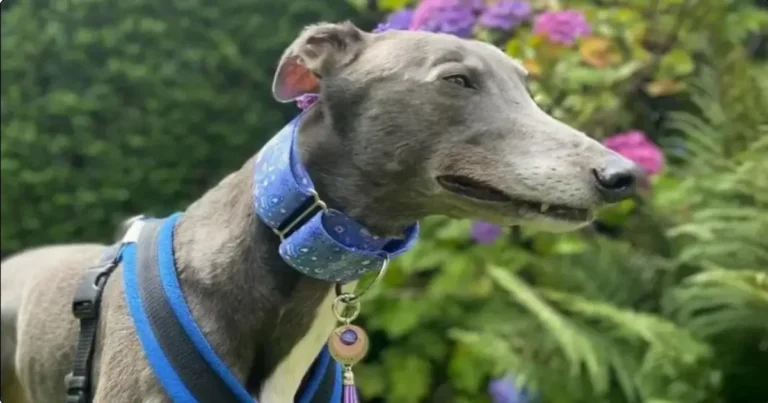
Design matters. A Y-front or H-style keeps the chest clear and straps stable. A front ring can reduce spinning. Place buckles and webbing away from the mouth line. Trim strap tails and add keepers so loose ends do not tempt bites.
Choose strong, low-fray materials. Coated webbing or biothane is smooth and less tasty. Nylon can fuzz and invite chewing. Metal hardware should be secure and not clack near the mouth. A better build makes it easier to win at How To Stop A Dog From Chewing Their Harness Or Collar.

Source: co.nz
Training Plan: Teach Calm Wear And Leave-It
You can train a dog to wear gear without chewing. Use tiny steps, many wins, and great treats. Keep sessions short. One to two minutes is fine.
- Step 1: Make the harness the snack bar. Place it on the floor. Feed for calm sniffing.
- Step 2: Teach a chin rest. Lure the chin to your palm. Mark and treat. Add the cue “chin.”
- Step 3: Feed through the neck loop. Clip, treat, unclip. Repeat. Keep it easy.
- Step 4: Build stillness. One second calm, treat. Then two, three, and so on.
- Step 5: Add leave-it. Present a strap. Say “leave it.” Mark and treat for looking away.
- Step 6: Redirect. If teeth touch strap, say “take your toy,” then reward chewing the toy.
- Step 7: Move a little. Walk two steps, feed. Turn, feed. Gradually add real-life actions.
- Step 8: Pay on walks. Reinforce quiet mouth near straps and leash.
Use a clicker or a clear marker word like “yes.” End each session before your dog gets fidgety. This is the core skill in How To Stop A Dog From Chewing Their Harness Or Collar.
How long will training take?
Simple cases improve in one to two weeks with daily practice. Long habits or anxiety can take longer. Keep your steps tiny and your rewards rich.

Source: amazon.com
Management: Prevent Practice And Redirect Chewing
Training works best when chewing never pays off. Block chances to rehearse the habit.
- Supervise in gear. No free time to chew the harness or collar.
- Use a crate or pen when you need a break. Remove gear if safe to do so.
- Keep a chew caddy by the door. Hand a toy at clip-on time.
- Add a short leash tab indoors. Guide away from straps with no drama.
- Try strap covers or sleeves to hide tempting edges.
- Apply a safe bitter spray to the outside of straps if needed. Test first.
Do chew deterrent sprays work?
They help some dogs. Many ignore them. Always use sprays with management and training, not alone, when you work on How To Stop A Dog From Chewing Their Harness Or Collar.
Source: reddit.com
Enrichment And Exercise To Reduce Chewing
A tired brain chews less. Meet your dog’s needs each day.
- Sniff walks. Ten minutes of sniffing can calm the mind.
- Food puzzles and slow feeders. Let meals work the brain.
- Long-lasting chews. Use stuffed Kongs or safe chews under watch.
- Short training games. Two-minute sessions build skills and focus.
- Sleep. Most adult dogs need 12 to 14 hours a day.
A full life cuts stress and mouthy habits. This is a key part of How To Stop A Dog From Chewing Their Harness Or Collar.

Source: amazon.com
Choose Chew-Resistant Gear That Works
No gear is chew-proof. But you can choose better.
- Look for coated webbing or biothane. It cleans well and resists fray.
- Pick a stable Y-front design with snug chest straps.
- Choose low-profile buckles away from the mouth line.
- Use a front-clip option if your dog spins or forges.
- Add strap keepers to stop flappy ends.
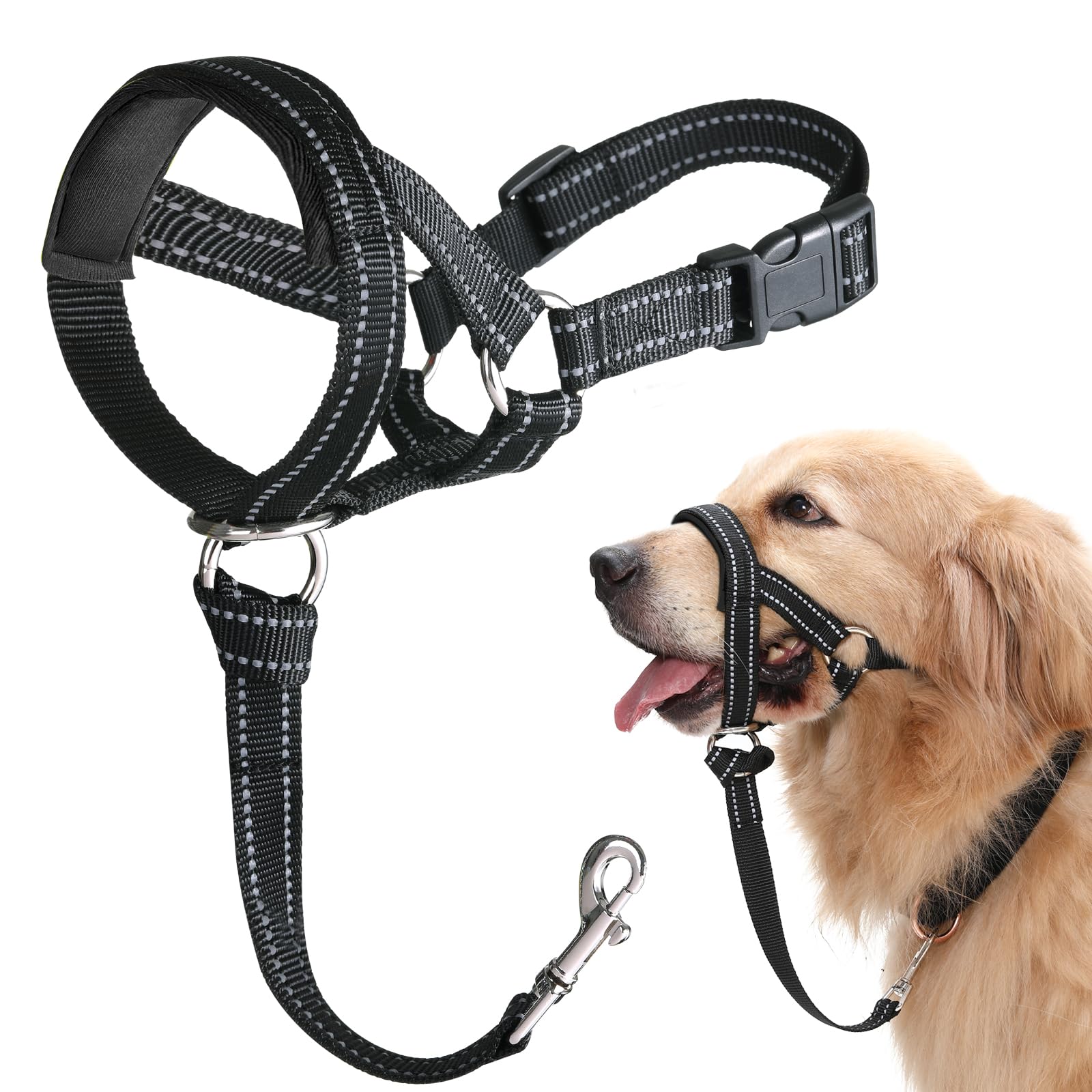
Skip harsh tools like prong or choke collars. They add pain and stress. You want comfort to support How To Stop A Dog From Chewing Their Harness Or Collar.

Source: youtube.com
Special Cases: Puppies, Adolescents, And Anxious Dogs
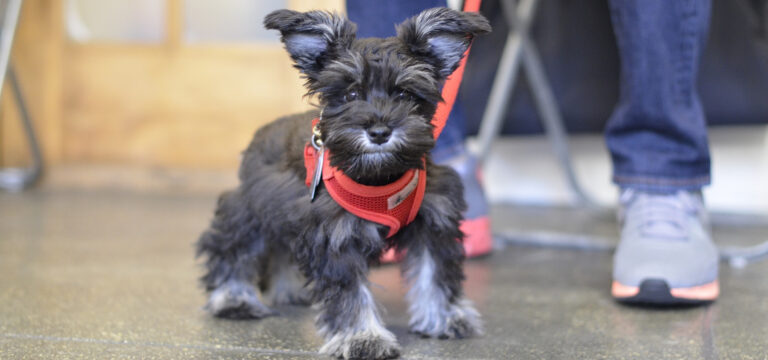
Puppies chew to soothe gums. Offer cold chews. Keep wear time short. Pay a lot for calm.
Teens test limits. Use brisk training, rich rewards, and firm routines. Give outlets for energy and mouth needs.
Anxious dogs need a slow plan. Pair gear with food and calm spots. Talk with your vet if fear is strong. Medication can help training land. These steps are vital when you work on How To Stop A Dog From Chewing Their Harness Or Collar.

Source: amazon.com
Safety, Red Flags, And When To Call A Pro
Watch for signs that call for help.
- Sudden chewing after calm history. Pain may be present.
- Skin rubs, hot spots, or hair loss under straps.
- Blood on straps or broken teeth.
- Ingested webbing or hardware.
- Panic when gear appears.
See your vet for skin, dental, or pain checks. Call a certified trainer for a custom plan. A board-certified behaviorist can guide tough cases. Expert eyes speed up How To Stop A Dog From Chewing Their Harness Or Collar.
Real-Life Example From The Field
Milo, a one-year-old mix, shredded two harnesses. He spun, grabbed the chest strap, and won his freedom. We switched to a snug Y-front with a front ring. We trimmed strap tails and added a strap keeper.
We ran one-minute dress sessions. Clip, feed, toy in mouth, off. On walks, we fed for a quiet mouth and used leave-it. We also gave two stuffed Kongs a day. In 10 days, Milo stopped chewing. His family learned How To Stop A Dog From Chewing Their Harness Or Collar, step by step.
Toolkit: Supplies And A 7-Day Action Plan
Build your setup before you start.
- Properly fitted Y-front harness or well-sized flat collar.
- Coated webbing or biothane straps if possible.
- Strap keepers and a short leash tab.
- High-value treats and a treat pouch.
- Two to three long-lasting chews and two stuffed Kongs.
- A safe bitter spray tested on a small spot.
- A clicker or marker word.
Try this simple week plan.
- Day 1: Fit check. Five one-minute dress sessions. Feed for calm.
- Day 2: Add chin rest. Clip for one second. Reward and release.
- Day 3: Build to 5 to 10 seconds calm in gear. Add leave-it.
- Day 4: Walk indoors. Two steps, feed. Redirect to toy if mouthing.
- Day 5: Short outdoor walk in a quiet spot. Reinforce often.
- Day 6: Add mild distractions. Keep wins high. No free chewing.
- Day 7: Review. Keep what works. Note any hot spots or stress.
With this kit and plan, you will feel clear on How To Stop A Dog From Chewing Their Harness Or Collar.
Frequently Asked Questions of How To Stop A Dog From Chewing Their Harness Or Collar
Why does my dog chew their harness or collar?
Common reasons include teething, boredom, poor fit, or stress. Some dogs also learn that chewing makes the gear come off.
Is it safe to leave a harness on all day?
Not if unsupervised. Straps can snag, and skin can get sore. Use ID tags on a breakaway collar at home if needed and remove gear in the crate when safe.
What harness is hardest to chew?
A snug Y-front made of coated webbing with short strap tails resists chewing. Place hardware away from the mouth and use a front ring to limit spinning.
Will bitter apple or deterrent sprays stop chewing?
They help some dogs but are not a cure. Use them with training, fit fixes, and redirection for best results.
Should I punish my dog for chewing the harness?
No. Punishment can raise stress and make chewing worse. Teach calm wear and reward a quiet mouth instead.
How long does it take to stop harness chewing?
Simple cases often improve in one to two weeks. Deep habits, anxiety, or pain issues can take longer and may need a pro.
Conclusion
Chewing does not come from nowhere. It has a cause, and you can fix it with fit, training, and needs met each day. Use short sessions, pay well for calm, and block chances to rehearse the habit.
Start this plan today. Keep notes, celebrate small wins, and adjust with care. If you need help, reach out to a qualified trainer or your vet. Share your progress or questions in the comments, and subscribe for more step-by-step guides.