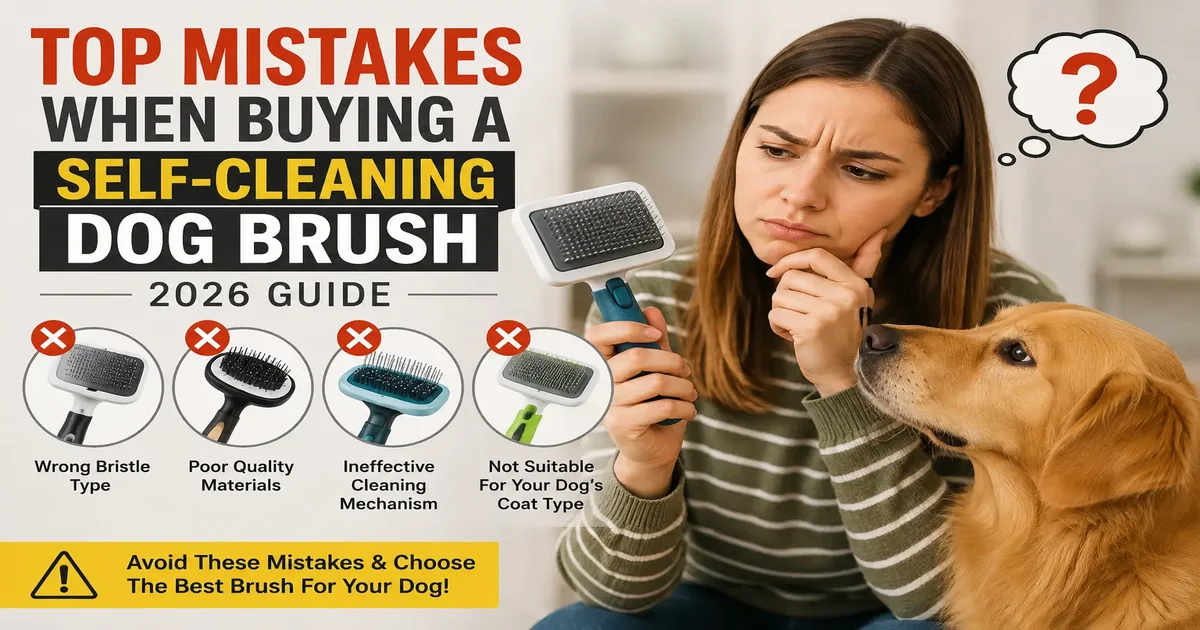
Top Mistakes When Buying A Self-Cleaning Dog Brush: 2026 Guide
Most buyers err by ignoring coat type; avoid mistakes by testing release and choosing safe, durable materials.
I have fitted hundreds of dogs with the right grooming tool in clinics and homes. In this guide, I break down the top mistakes when buying a self-cleaning dog brush and how to avoid them, with simple tests, coat-matching tips, and pro checks you can do in minutes. If you want a smooth, safe groom and less shedding on your floors, read on.

Source: divasfordefense.com
What a self-cleaning dog brush actually does
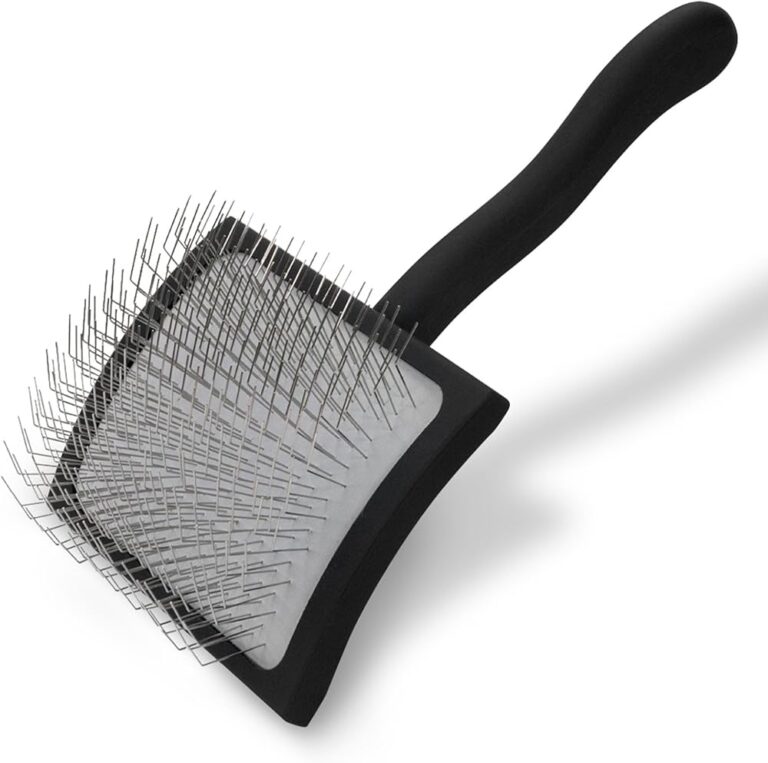
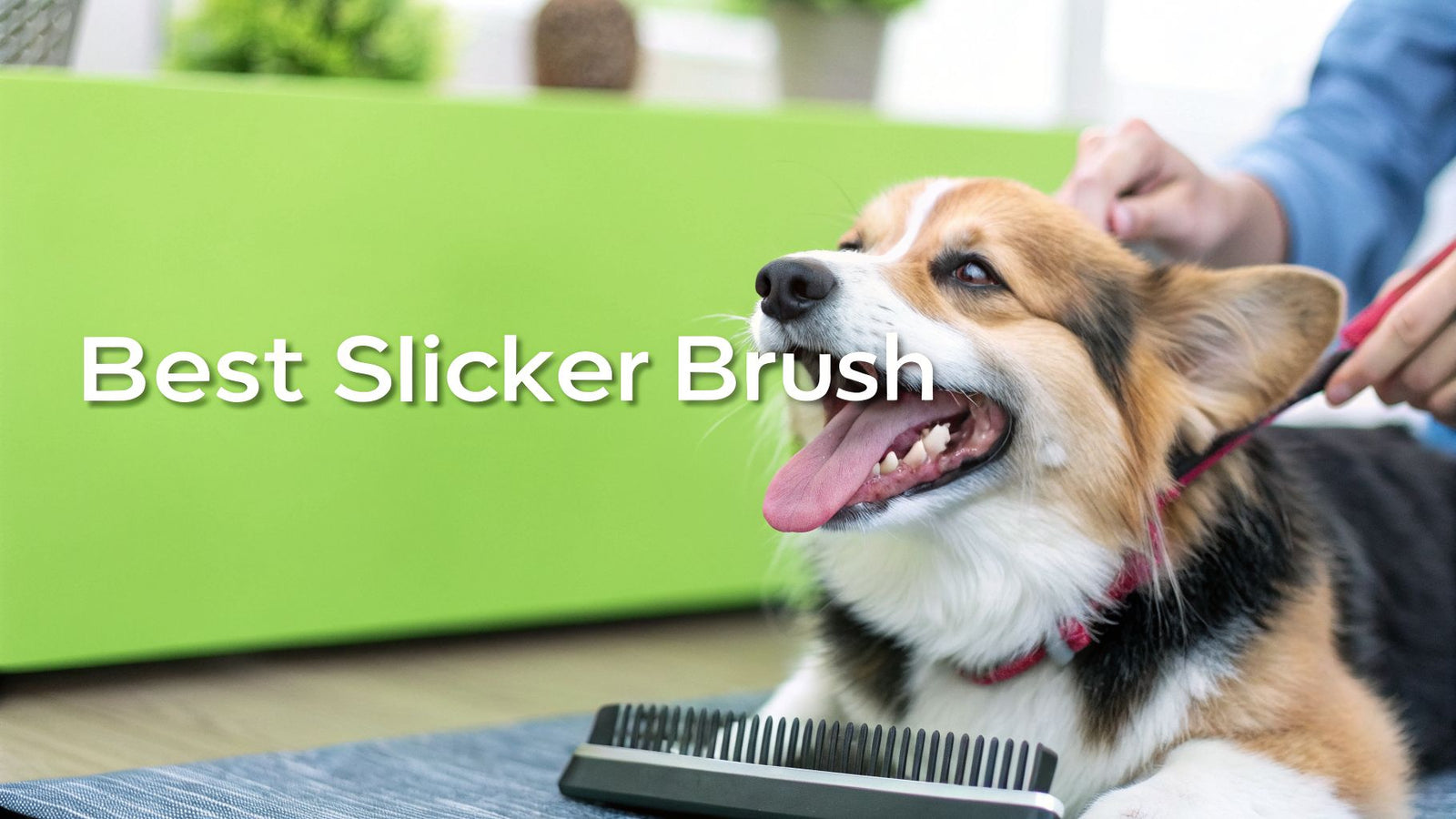
A self-cleaning dog brush is a slicker-style brush with a button or slide. It lifts loose hair and dander from the coat. Press the release, and a plate pushes the fur off the pins. This keeps the pins clear and speeds up grooming.
It works best for regular coat care and light mats. It is not a cure for severe matting or felted hair. For those cases, you need a dematting tool or a groomer. The self-cleaning feature should save time, not damage skin. Look for smooth, rounded pin tips and a firm, even release.
Source: microfiberwholesale.com
Top mistakes when buying a self-cleaning dog brush
Mistake 1: Ignoring your dog’s coat type
Not all coats use the same tool. Curly coats, double coats, and silky coats behave very differently.
How to avoid it:
- Match curly and doodle coats with flexible, medium-length pins.
- Use longer pins for double coats like Huskies and Goldens.
- Pick short, gentle pins for short coats like Beagles.
Mistake 2: Confusing a de-shedding tool with a slicker
A de-shedding rake pulls undercoat. A slicker lifts surface hair and debris. Mixing them can cause skin burn or poor results.
How to avoid it:
- For daily care, start with a self-cleaning dog brush (slicker).
- Use a rake only for heavy undercoat, and only after a slicker pass.
Mistake 3: Overlooking pin quality and tip safety
Sharp pins scratch skin. Blunt pins can snag and pull.
How to avoid it:
- Drag pins across your inner wrist. It should feel smooth, not scratchy.
- Look for polished or ball-tipped stainless steel pins.
Mistake 4: Buying the wrong size or head shape
A head that is too small wastes time. A head that is too large misses tight spots.
How to avoid it:
- Small dogs: compact head for face, legs, and tail.
- Large dogs: wider head for the back and sides; keep a small head for detail.
Mistake 5: Ignoring ergonomics and grip
A slick handle slips with suds or sweat. A hard edge causes hand strain.
How to avoid it:
- Choose a soft, non-slip grip with a slight curve.
- Hold it for 30 seconds in the store. If it pinches, skip it.
Mistake 6: Trusting flimsy release mechanisms
Weak springs stick or fail. A jam turns the “self-cleaning” perk into a headache.
How to avoid it:
- Click the release 10 times. It should reset fast and evenly.
- Avoid buttons that tilt or grind.
Mistake 7: Skipping hygiene checks
Some plastics trap grime. Rough seams hold biofilm and odor.
How to avoid it:
- Smooth plastic body with no gaps around the plate.
- Disassembles or opens enough to rinse hair and dander.
Mistake 8: Ignoring noise and static
Some brushes snap back loudly or cause static pops. Sound-shy dogs will hate it.
How to avoid it:
- Test the click near your ear. It should be a soft clack.
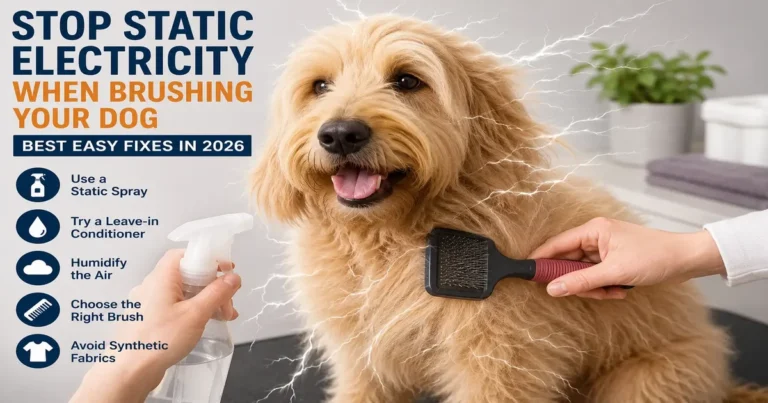
- Lightly mist the coat or use a grooming spray to cut static.
Mistake 9: Believing all “self-cleaning” claims
Curly coats can wedge between pins. Some plates do not clear tight curls.
How to avoid it:
- Test with a tuft of your dog’s hair if you can.
- Read buyer photos for your exact breed or mix.
Mistake 10: Not checking return policy and warranty
Defects happen. Without a return window, you are stuck.
How to avoid it:
- Look for at least 30 days of returns.
- Favor brands with a 1-year warranty or a spare-parts program.
Mistake 11: Using a self-cleaning dog brush on severe mats
This leads to skin pain or tearing. It also dulls pins.
How to avoid it:
- For tight mats, use a detangler, a mat splitter, or see a groomer.
- Brush often to prevent mats from forming.
Mistake 12: Chasing the lowest price only
Cheap pins bend. Weak plastic cracks under light pressure.
How to avoid it:
- Mid-range tools often last longer and protect skin better.
- Compare total cost of ownership, not just price today.
Personal note: I once tested two budget brushes on a double-coated Shepherd. The pins bent within a week, and the release jammed with undercoat. A mid-range self-cleaning dog brush with firmer pins cut the groom time in half and never jammed.
Source: innovatebuildingsolutions.com
How to choose the right self-cleaning dog brush step-by-step
- Define coat type. Curly, wavy, double coat, wire coat, short smooth, or long silky.
- Check pin length. Short coats: 8–12 mm pins. Medium coats: 12–16 mm. Long or double coats: 16–20 mm.
- Test tip feel. Glide it on your wrist. It should glide, not poke.
- Stress-test the release. Ten clicks. No sticking. Pins reset flush.
- Assess handle comfort. No hard seams. Secure grip when wet.
- Review hygiene. Can you rinse hair from the plate? Any tight seams?
- Read breed-specific feedback. Search for your breed mix and coat terms.
- Confirm returns and parts. Look for replaceable plates or springs.
The right self-cleaning dog brush should pass all eight checks. If it fails one, keep looking.
Source: petmagasin.com
Materials, hygiene, and safety standards
Stainless steel pins resist rust and hold shape. The body should use sturdy, non-porous plastic. Rounded or polished tips protect the skin barrier. That cuts the risk of micro-scratches and hot spots.
Clean after each session. Tap out hair, then rinse warm. For disinfection, use a pet-safe spray or diluted chlorhexidine. Dry fully before storage to prevent rust. Avoid bleach on metal. Store in a dry place with pins covered.
Dogs with sensitive skin need extra care. Gentle pressure only. Stop if the skin looks pink or if your dog flinches. Veterinary dermatology guidance supports short, regular grooms over long, harsh sessions. That protects the skin barrier and reduces inflammation from friction.

Source: petmagasin.com
Budget vs value: what to spend and when to upgrade
Entry level tools cost little but may fail fast. Pins bend. Buttons jam. Mid-range is often the sweet spot for home use.
- Entry: $10–$15. Good for travel or rare use. Expect wear.
- Mid-range: $20–$35. Best value for most dogs and families.
- Pro tier: $40+. Strong pins, smoother release, better warranty.
Upgrade if you groom weekly, have a thick double coat, or share the tool across pets. A stronger self-cleaning dog brush pays off in time saved and fewer jams.

Source: nytimes.com
Real-world grooming notes from the field
For doodles, I prefer a flexible head with medium pins. It clears curls without snag. For Huskies, I pair a self-cleaning dog brush with a rake. Slicker first, rake second, slicker last. That sandwich method pulls undercoat while keeping skin safe.
Short coats still shed. A gentle pass with a soft self-cleaning dog brush lifts dander and adds shine. Keep sessions short. Reward often. The goal is trust, not speed.
One client’s Terrier hated the click. We desensitized with treats and slow button presses away from the dog. After a week, the fear was gone. Small steps make a big win.

Source: newbenytool.com
Quick buyer checklist
- Does it match my dog’s coat type and length?
- Are pin tips smooth and rounded?
- Does the release click cleanly ten times in a row?
- Is the handle secure, even when wet?
- Can I rinse and sanitize it easily?
- Are reviews strong for my breed or coat mix?
- Is there a 30-day return and a solid warranty?
- Will it last at least one shedding season?
Carry this list in your phone. A few minutes in the aisle can save months of hassle with the wrong self-cleaning dog brush.

Source: whisker.com
Frequently Asked Questions of Top Mistakes When Buying A Self-Cleaning Dog Brush And How To Avoid Them
How often should I use a self-cleaning dog brush?
Most dogs do well with two to three short sessions per week. During heavy shed, daily quick brushes work best and prevent mats.
Can a self-cleaning dog brush replace a de-shedding rake?
No. It lifts loose hair and dander but does not reach dense undercoat like a rake. Use both when managing a thick double coat.
Will a self-cleaning dog brush hurt sensitive skin?
It should not if the pins are smooth and you use light pressure. Stop if the skin turns pink or your dog shows stress.
What if the release button jams with curly hair?
Clean the plate and pins, then test with a small hair tuft. If it still jams, the design may not suit curly coats; choose a model with wider pin spacing.
How do I sanitize the brush safely?
Rinse off debris, then use a pet-safe disinfectant or diluted chlorhexidine. Dry fully to prevent rust and store in a clean, dry spot.
Is a metal or plastic back better for durability?
A sturdy plastic back with stainless pins is ideal for home use. Full metal backs last long but can be heavier and cost more.
What signs show I need a better brush?
Frequent jamming, bent pins, or a sharp feel on your wrist are red flags. Also upgrade if grooming takes too long or your dog resists the tool.
Conclusion
You can avoid most buying mistakes with a quick plan. Match the brush to your dog’s coat, test the release, check pin tips, and confirm returns. A well-chosen self-cleaning dog brush cuts shed, protects skin, and saves time.
Start with the wrist test and ten-click check today. Your dog’s coat, skin, and comfort will show the difference fast. Want more practical gear guides? Subscribe, share your breed and coat type in the comments, and I will help you pick the perfect match.