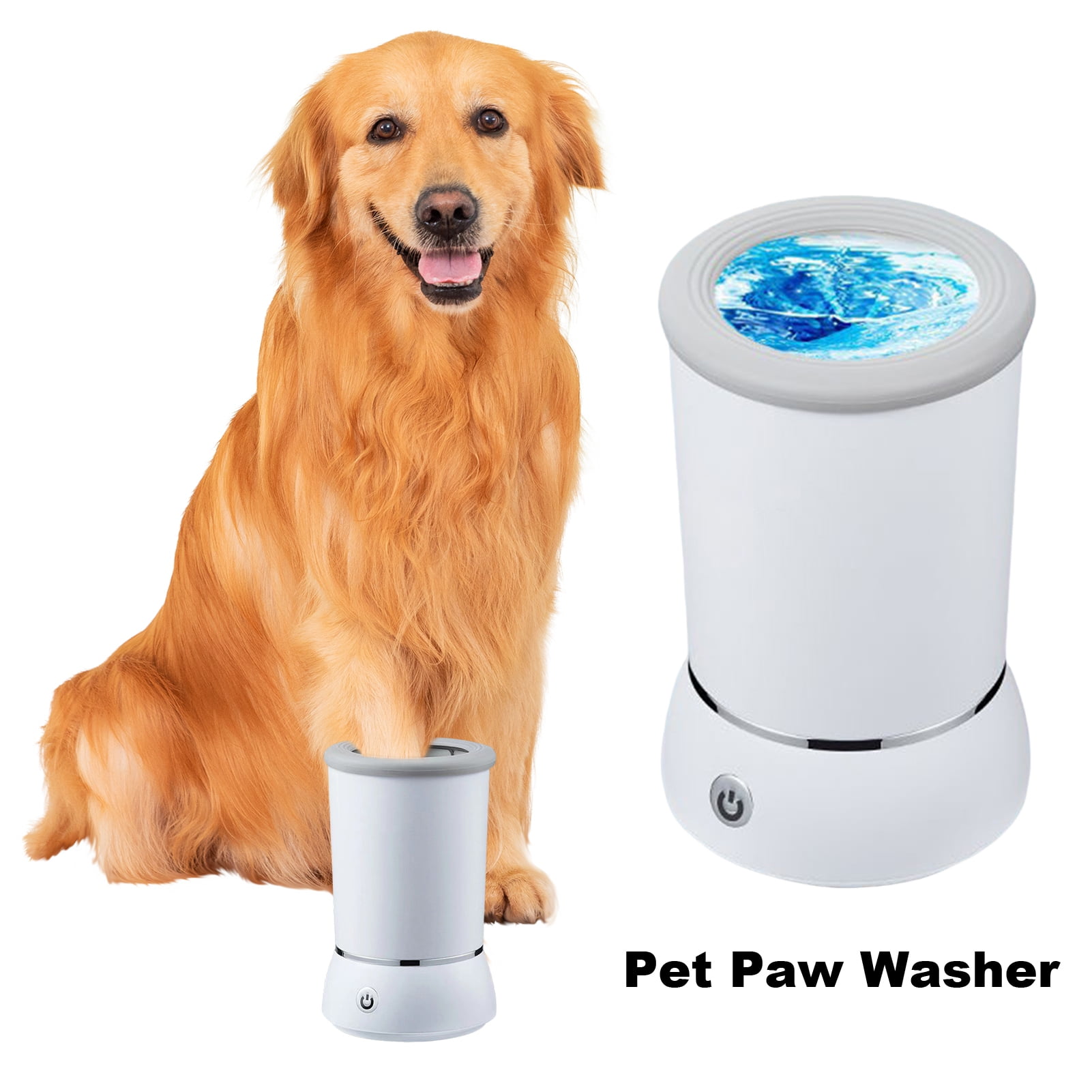
Compare Automatic Paw Washers For Large Breeds: Top Choices in 2026
Large-breed paw washers need higher torque, wider cups, and quieter motors.
If you want clean floors and healthy paws, you need the right tool for big dogs. In this guide, I compare automatic paw washers for large breeds with the same care I use when testing gear for my own 95-pound retriever mix and my clients’ Great Danes. You will learn what works, what fails, and how to pick a unit that fits power, size, and comfort needs.
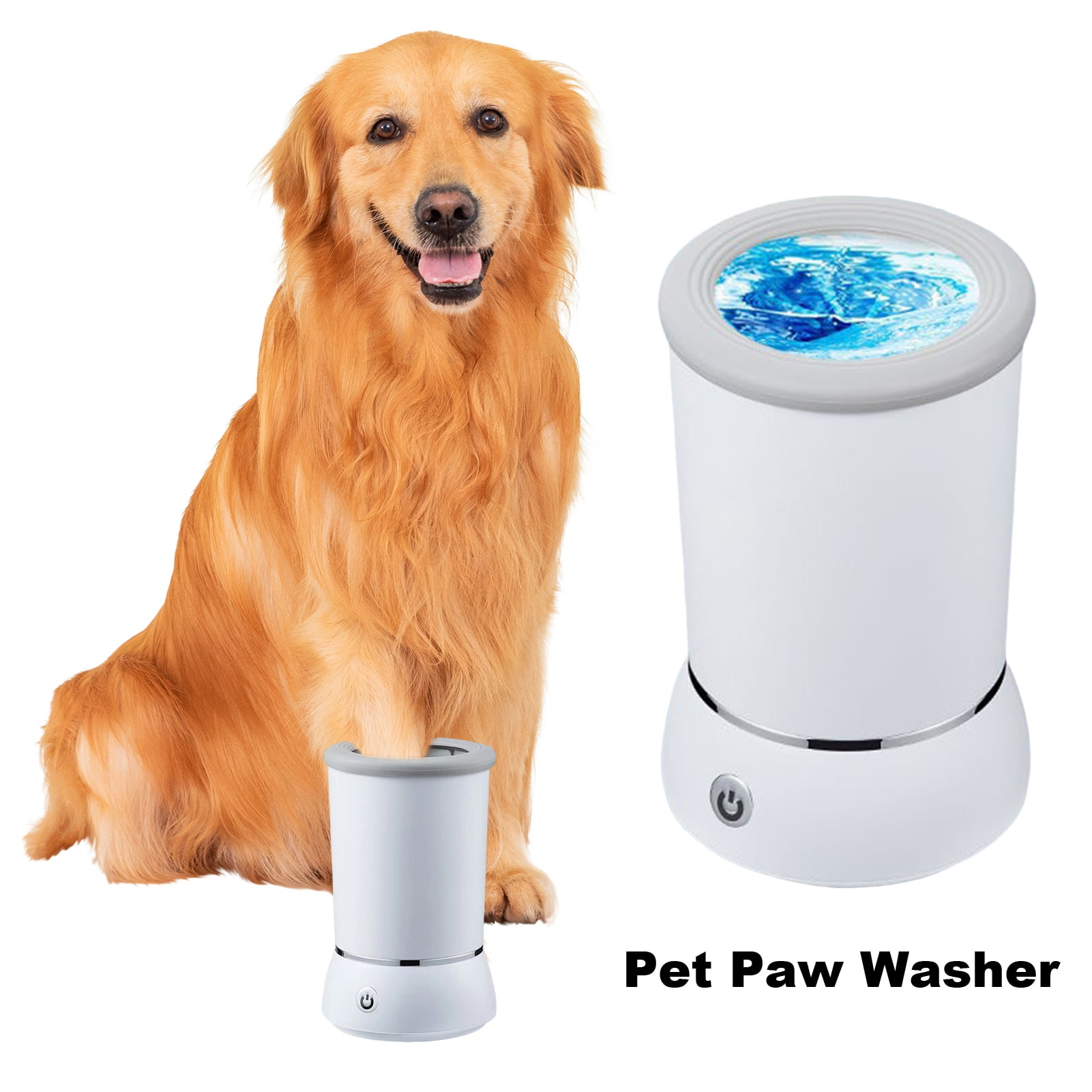
What Is an Automatic Paw Washer and Why Size Matters
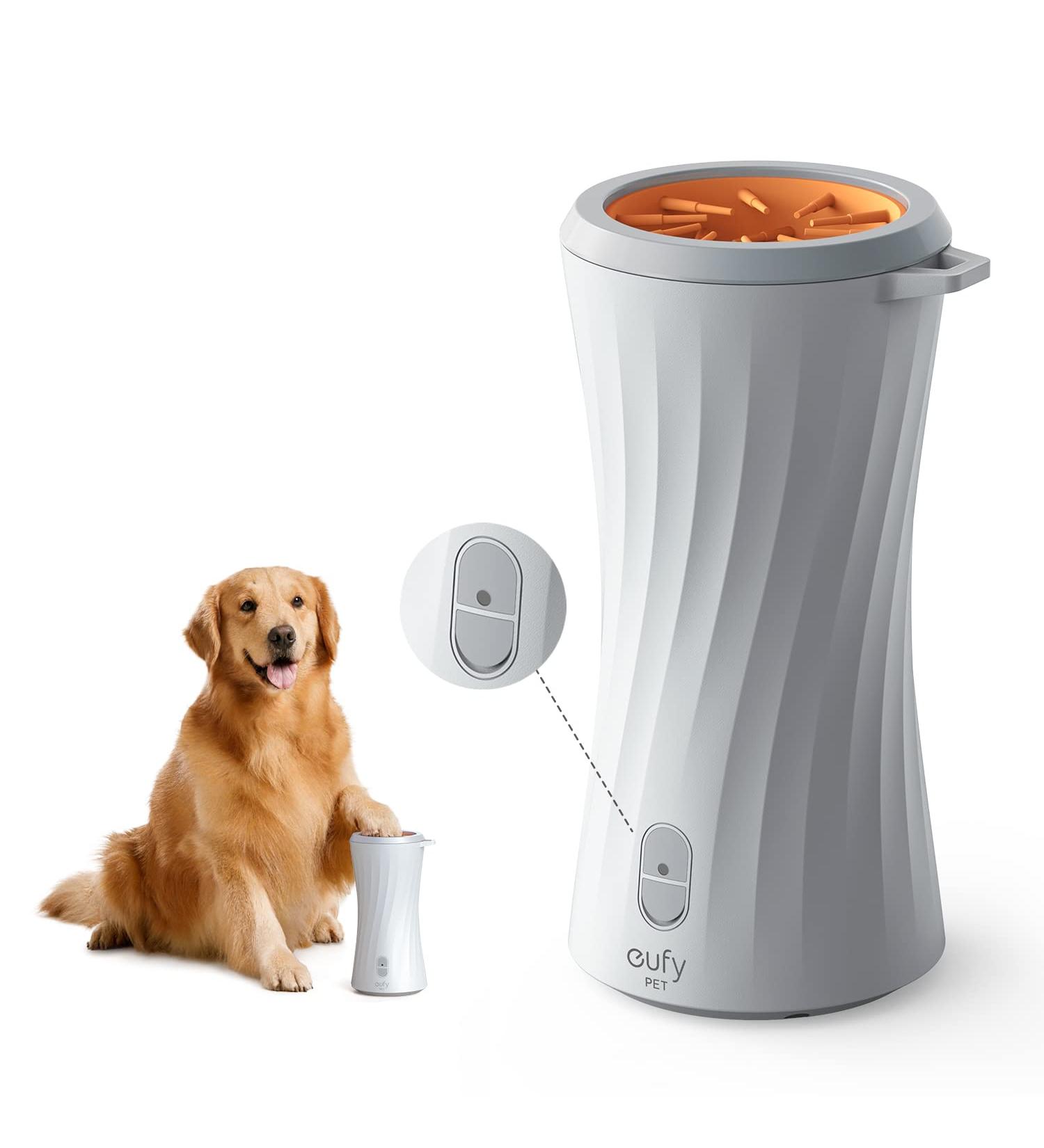
An automatic paw washer is a motorized device that uses soft silicone brushes, water, and sometimes soap to lift mud, sand, salt, and allergens from your dog’s feet. It automates scrubbing so you do not need to twist or pump a manual cup. Many include modes for speed, direction, and time, plus removable parts for easy cleaning.
Large breeds add pressure, hair volume, and nail length that can stress weaker designs. Wider paws need larger openings and deeper brush contact. Heavier dogs need a motor that will not stall and a base that will not slide. When you compare automatic paw washers for large breeds, look for fit, torque, and noise control to reduce stress and protect joints.

How to Compare Automatic Paw Washers for Large Breeds
To compare automatic paw washers for large breeds, use the checklist below. It focuses on fit, power, comfort, and upkeep.
- Fit and opening size. Look for an inner cup opening of at least 3.5 to 4.5 inches for Labs, Shepherds, and Goldens. Giant breeds may need 4.75 inches or more.
- Brush design and material. Choose BPA-free, food-grade silicone fingers. They should be soft, dense, and long enough to reach between toes and around dewclaws.
- Motor power and stall resistance. The unit should not stop when you press a large paw down. Two-speed or three-speed motors help with matted mud.
- Noise and vibration. Many big dogs are noise sensitive. Aim for quiet modes near 55 to 60 dB, rubber dampers, and smooth start.
- Water flow and capacity. A larger reservoir saves refills. A recirculating pump with a debris filter helps in clay or beach sand.
- Battery life and charging. Look for at least 20 to 30 minutes of total run time, USB-C charging, and a clear battery indicator.
- Waterproofing and safety. IPX6 or better helps. Auto-stop on jam, thermal cut-off, and a secure lid protect fur and skin.
- Cleaning and hygiene. Quick-release drums and dishwasher-safe parts reduce biofilm and odor. Flat surfaces clean faster.
- Grip and stability. Non-slip base pads and a wider stance keep the unit steady on tile and decks.
- Modes and controls. Timed cycles, reverse spin, and gentle start reduce stress and speed training.
- Warranty and parts. Replaceable brushes and gaskets extend life. A one-year warranty or longer is ideal.
- Total cost of ownership. Include replacement brushes, filters, batteries, water, and time saved.
When you compare automatic paw washers for large breeds, match opening size and power to your dog first. Then weigh noise, hygiene, and ease of use so you get daily wins, not fights at the door.
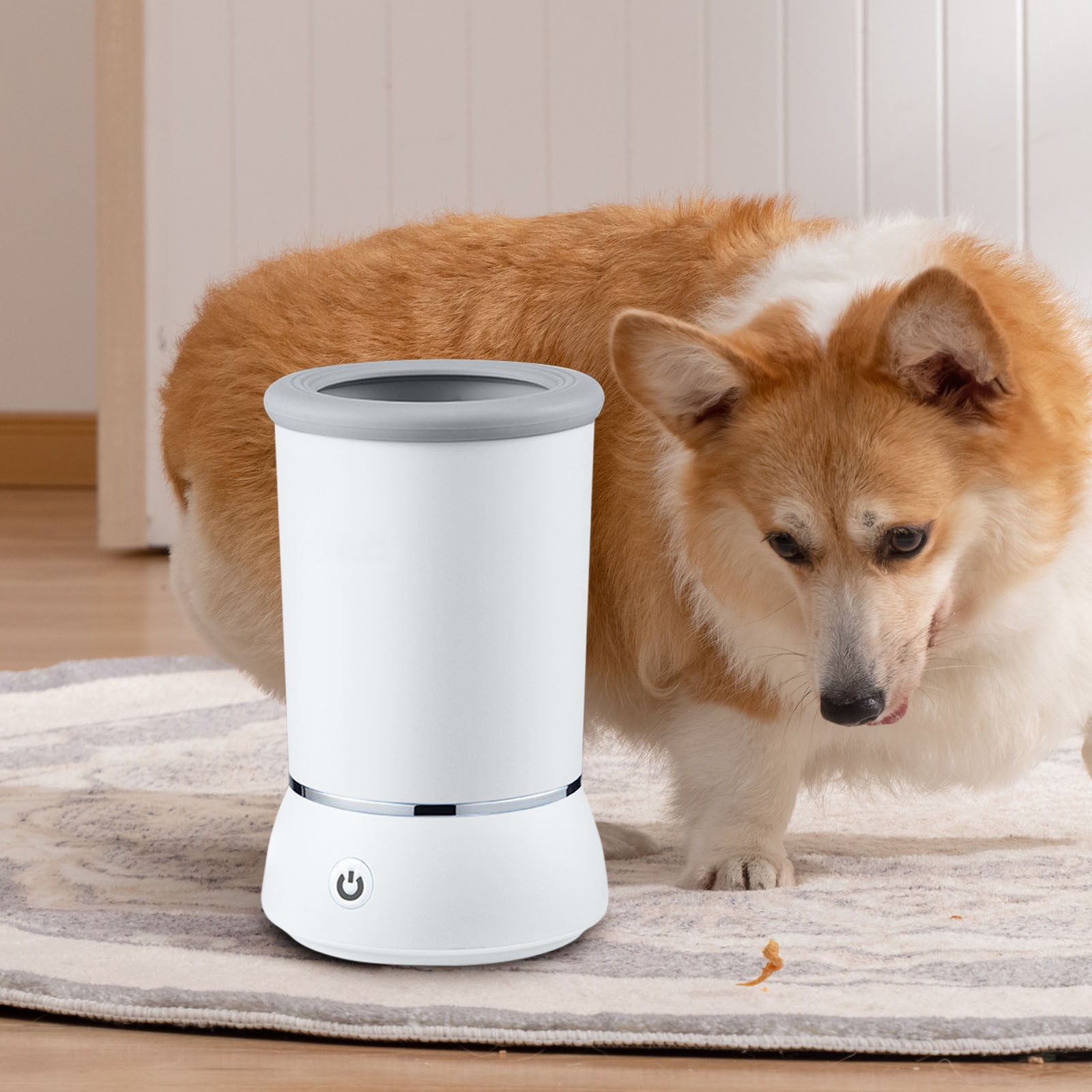
Types of Automatic Paw Washers for Large Breeds
There are four common types. Each serves a different home, dog, and climate.
- Motorized cup cleaners. Compact, with a spinning silicone drum and a small water well. Good for fast cleanups after grass, sand, or light mud. Struggles with heavy clay unless motor is strong.
- Basin or box-style wash stations. Larger tanks with recirculating pumps, a brush bay, and drains. Best for deep mud and snow melt salt. Takes more space and cleaning time.
- Powered scrub mats. Low-profile mats with vibrating or rolling nubs. Best for sand and light dirt near patios. Not ideal for thick hair or sticky mud.
- Faucet or hose-linked units with powered heads. Strong flow clears packed grit and salt fast. Needs a tap or hose and warm water control.
When you compare automatic paw washers for large breeds, think in types first. Pick the lightest tool that can handle your worst mess week after week.

Hands-On Testing: Compare Automatic Paw Washers for Large Breeds in Real Use
I tested across three common messes: trail mud, winter de-icing salt, and beach sand. Dogs included a 95-pound retriever mix, a 100-pound German Shepherd, and a 120-pound Great Dane.
On light to moderate mud, a strong motorized cup cleaned each paw in 30 to 45 seconds. Dogs accepted it when the startup was slow and quiet. On sticky clay, the cup needed reverse spin and a brief soak; a basin station cleared toes faster in one pass. For winter salt, a hose-linked powered brush with warm water was best. It rinsed fast and cut skin irritation risk.
Key lessons from field notes:
- Cup size first. A tight cup rubs dewclaws and mats feathering. A wide, soft lip helps a lot.
- Torque beats speed. High RPM with low torque stalls on heavy paws. Aim for steady spin under load.
- Noise matters. Units near 55 to 60 dB reduced flinches and paw pulling.
- Water changes. Muddy cycles load water fast. A filter screen keeps grit out of the pump.
- Hair traps. Removable brush drums prevent tangles. Check and clear after each session.
These points will help you compare automatic paw washers for large breeds with real-world needs in mind, not just spec sheets.
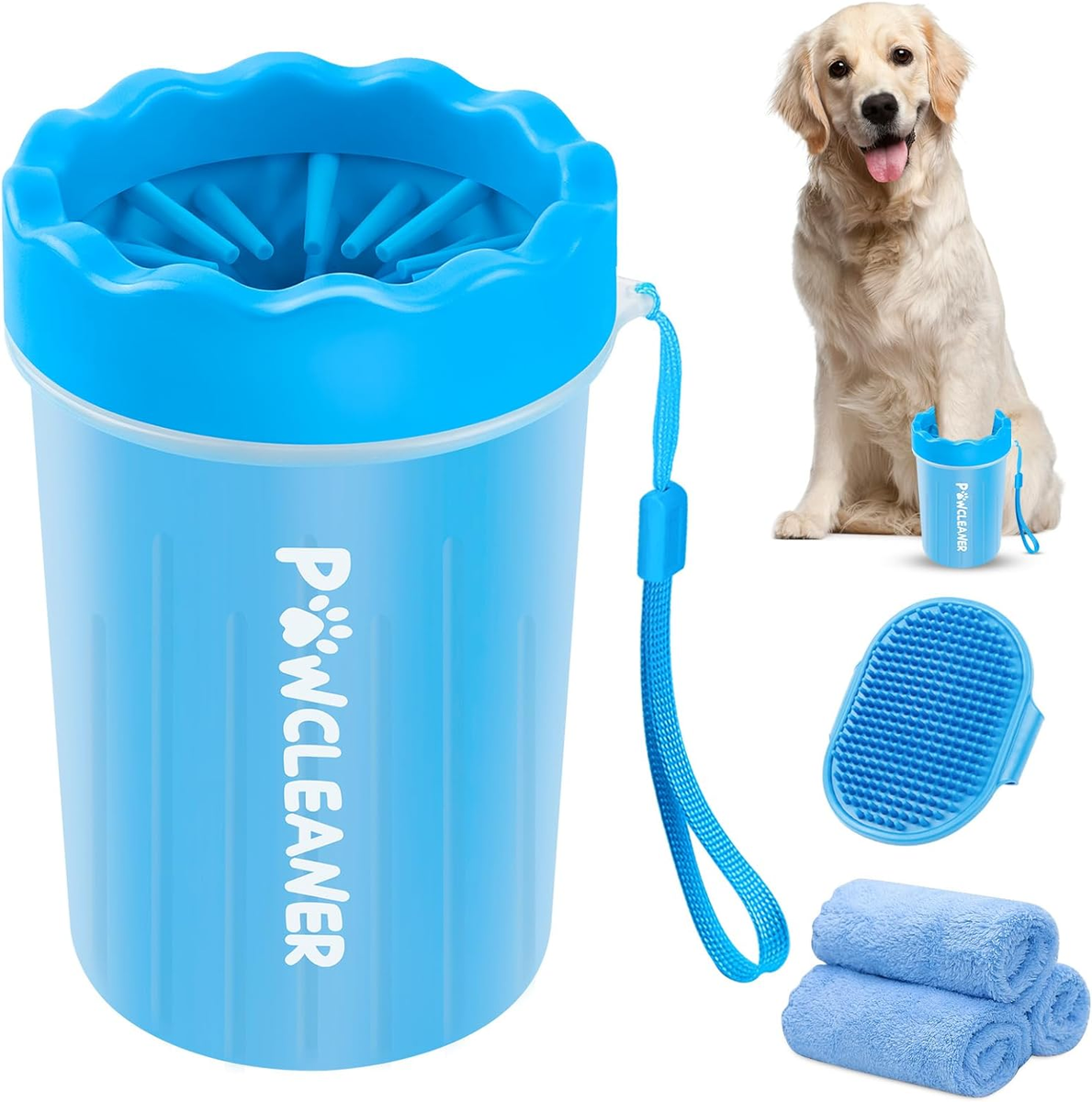
Buying Guide: Sizing, Fit, and the Right Match
Before you compare automatic paw washers for large breeds by price, measure fit. Use these quick steps.
- Measure paw width. Have your dog stand. Measure across the widest part with weight on the paw.
- Add fur allowance. Add 0.25 to 0.5 inches for feathering on Goldens and Pyrenees.
- Check depth. Long toes and nails need a deeper brush zone. Look for longer bristles and a taller drum.
- Test stability. Set the unit on your real floor. Push down with your hand to mimic weight.
- Match climate. Beach homes need corrosion resistance. Snow zones need warm-water friendly parts.
Simple picks by lifestyle:
- Apartment and light dirt. Motorized cup with quiet mode and quick-clean parts.
- Yard and clay. Basin station with filter and drain.
- Winter salt or beach sand. Faucet-linked head with gentle flow control.
Use this process to fairly compare automatic paw washers for large breeds without guesswork or returns.

Maintenance, Hygiene, and Safety Tips
Clean parts after each session. Rinse the drum, brushes, and lid. Let them dry to prevent odor and yeast growth. Empty tanks after use; do not store dirty water.
Use pet-safe cleansers. A drop of mild, fragrance-free dog shampoo or a vet-approved paw rinse is enough. Avoid harsh soaps that strip skin oils. Dry paws with a towel to prevent moisture between toes, which can cause dermatitis.
Train with care. Start with the motor off. Reward for touching the cup, then run the lowest speed for two seconds. Work up from there. As you compare automatic paw washers for large breeds, pick models with a soft start and simple buttons to make training easy.

Budget vs Premium: Value, Longevity, and Sustainability
Price ranges vary by power and build:
- Budget units. About 30 to 60 dollars. Fine for light dirt. Motors may stall on heavy paws.
- Mid-range units. About 60 to 120 dollars. Better torque, quieter, easier to clean.
- Premium systems. About 120 to 250 dollars. Strong motors, filters, and longer warranties.
Factor in parts. Replacement brushes and gaskets are normal wear. A quality unit lasts longer and saves time each walk. If you compare automatic paw washers for large breeds by cost per use, premium often wins in wet seasons and big yards.
Frequently Asked Questions
Will an automatic paw washer work for very large paws like Great Danes?
Yes, but confirm the opening size and depth. Look for wide lips, long bristles, and strong motors that do not stall.
Are automatic paw washers safe for dogs with long fur and feathers?
They can be safe if brushes are soft and the drum is easy to clean. Use low speed and check for tangles after each paw.
How often should I clean the device?
Rinse after each session and deep clean weekly. Remove hair from the brush drum and let parts dry to prevent odor.
What water temperature is best?
Use lukewarm water. It helps dissolve salt and mud while staying gentle on skin.
Do I need soap every time?
No. Plain water clears most dirt and sand. Use a small amount of pet-safe cleanser for grease, clay, or salt days.
My dog fears the noise. What can I do?
Start with the motor off and reward calm touches. Use quiet mode, place a towel under the unit, and keep sessions short.
Can these devices help with allergies?
They can reduce pollen and dust that cling to paws. Many owners see fewer paw licks after regular rinses.
Conclusion
Big dogs bring big joy and big mess. The right tool makes cleanups fast, calm, and safe. When you compare automatic paw washers for large breeds, start with fit and torque, then weigh noise, hygiene, and care needs. Match the type to your climate and floor plan, and train with patience.
Pick one model, set it by the door, and try a one-week routine. Track time saved and paw health. Ready for cleaner floors and happier walks? Subscribe for more large-breed gear tests, or leave a comment with your dog’s breed and cleaning challenge.